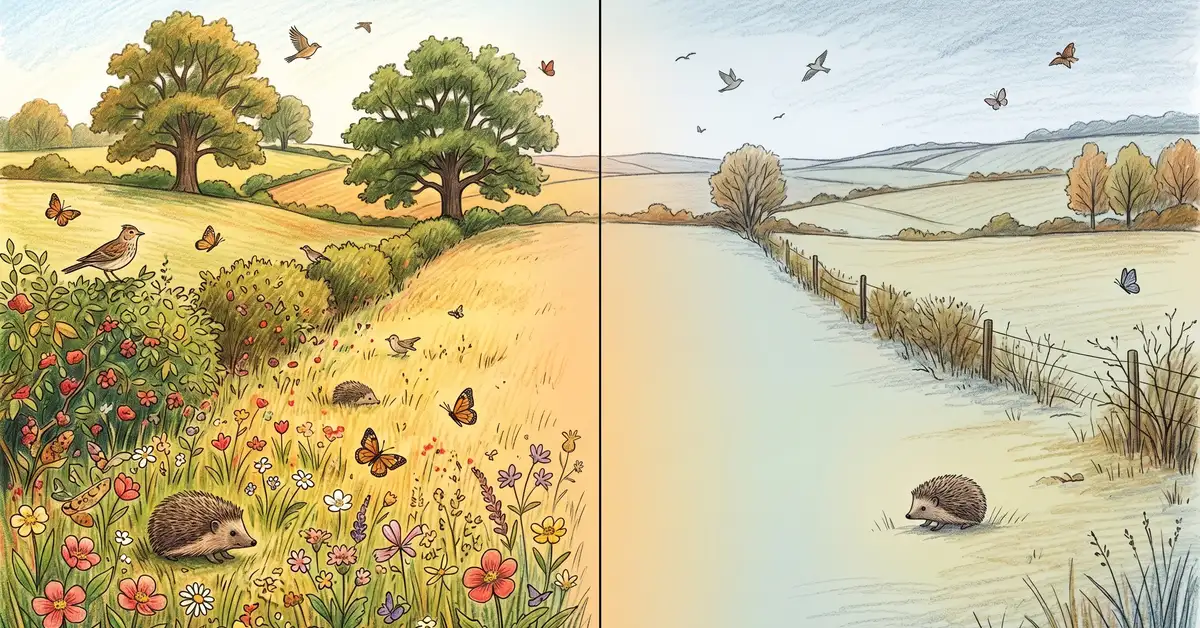
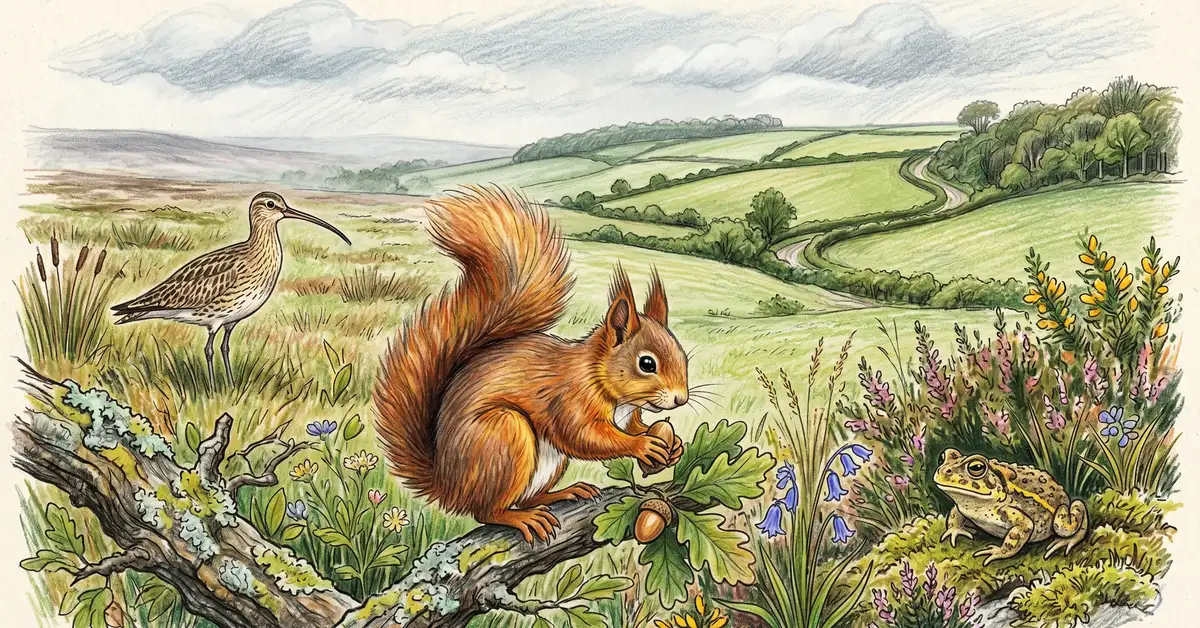
UK wildlife has declined by an average of 19 per cent since 1970, with nearly one in six species now threatened with extinction. Farmland birds have halved, flying insect populations have crashed by ...
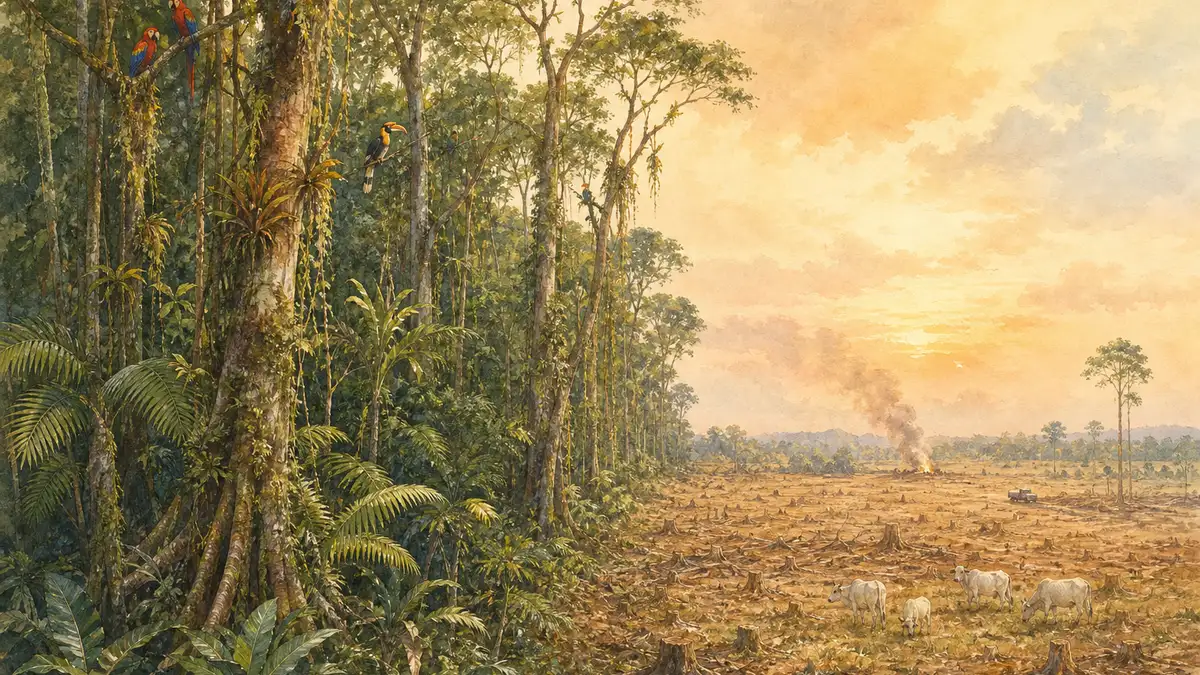
Deforestation is the permanent removal of forest cover for another land use. In 2024, the world's tropical primary forests lost 6.7 million hectares — nearly double the 2023 rate, and the highest ...
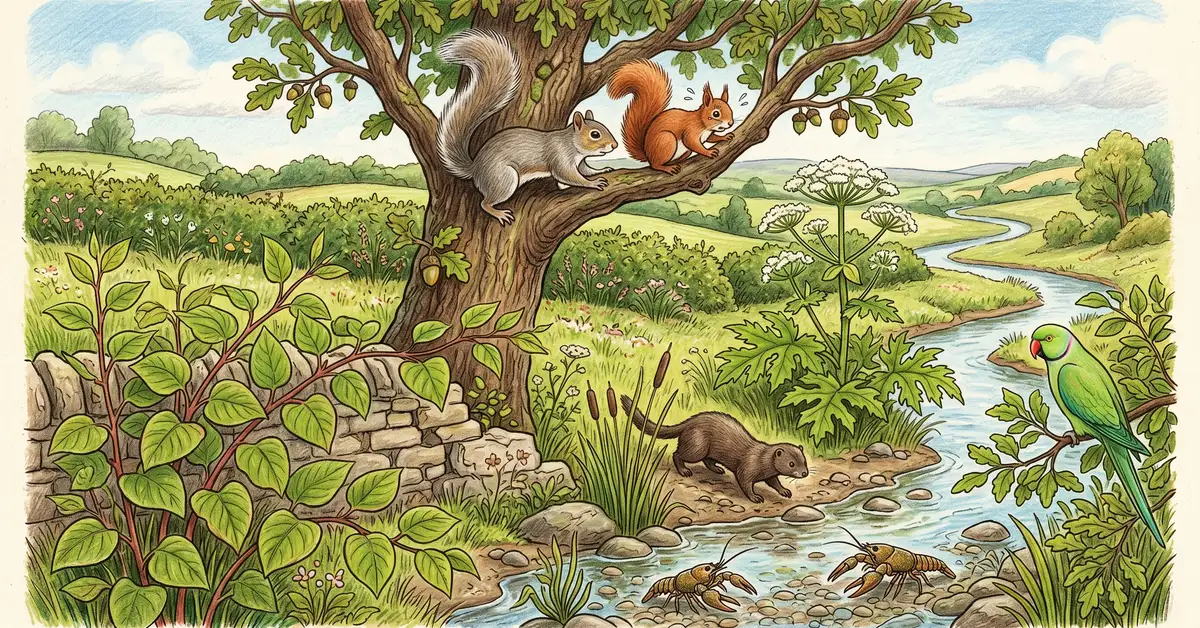
Invasive species in the UK cost the economy an estimated £1.7 billion to £4 billion every year and are one of the top five drivers of biodiversity loss. Around 1,900 non-native species are ...
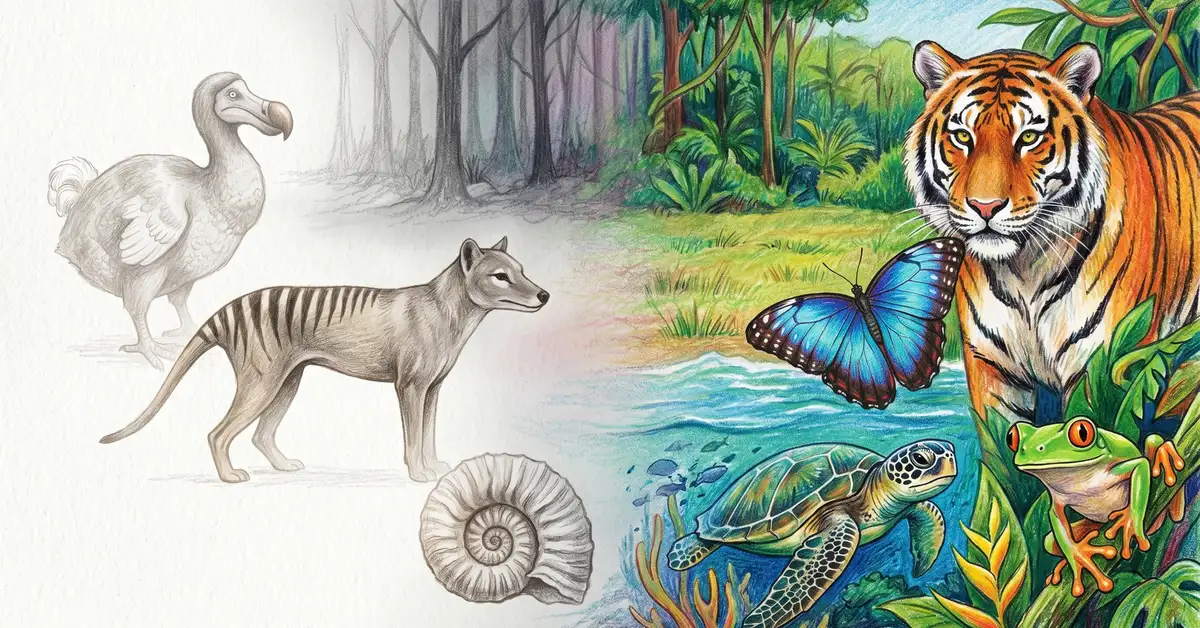
Species extinction occurs when the last individual of a species dies, ending its evolutionary lineage permanently. Current extinction rates are estimated at 100 to 1,000 times the natural background ...
The United Kingdom is home to hundreds of endangered species, with nearly one in six of the 10,000-plus species assessed in Great Britain at risk of extinction. The State of Nature 2023 report found ...
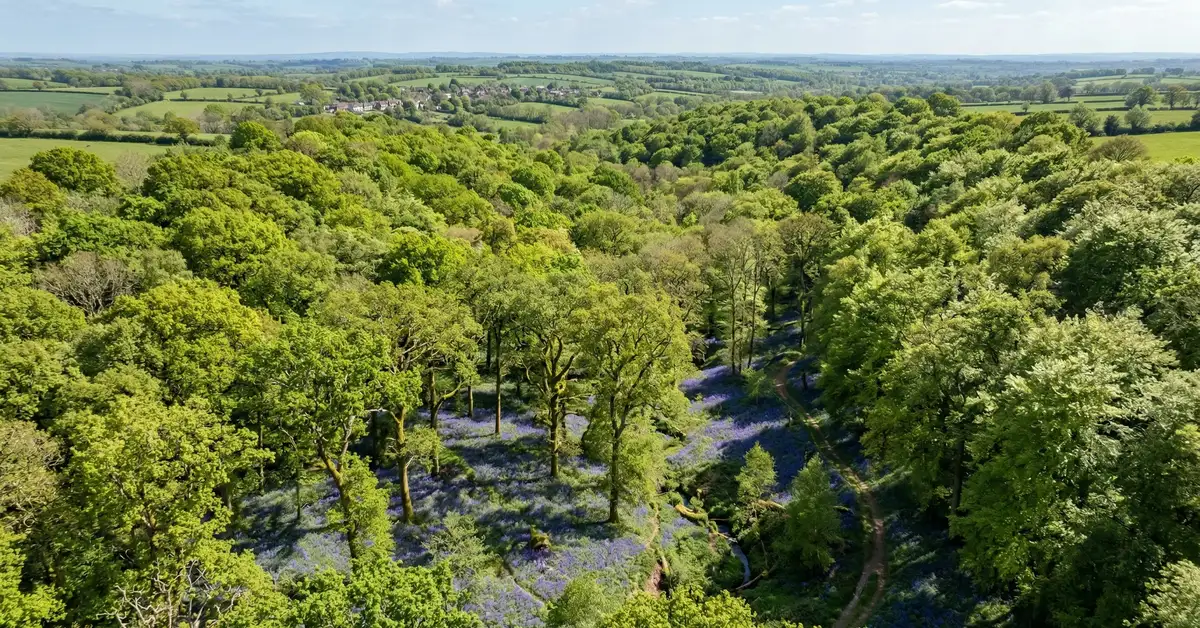
Key Takeaway The United Kingdom supports an extraordinary diversity of habitats — from ancient woodlands and blanket bogs to chalk streams found almost nowhere else on Earth. Yet only 3% of England's ...
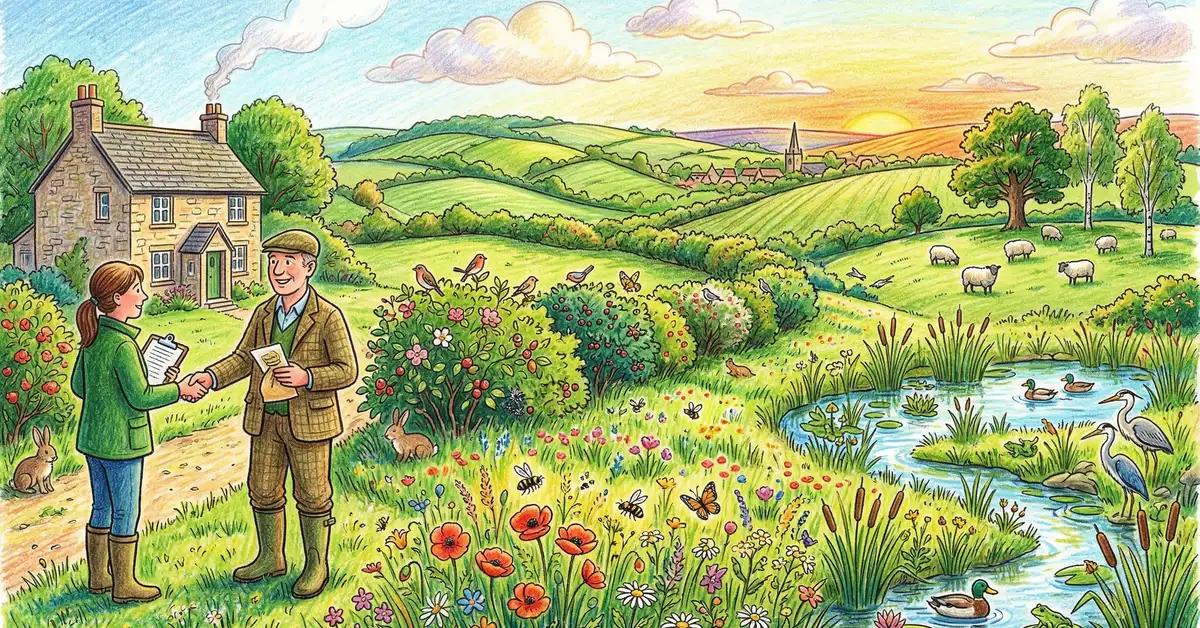
Payments for Ecosystem Services are financial mechanisms that reward landowners and managers for conservation work, from carbon sequestration to biodiversity protection. These schemes recognise ...
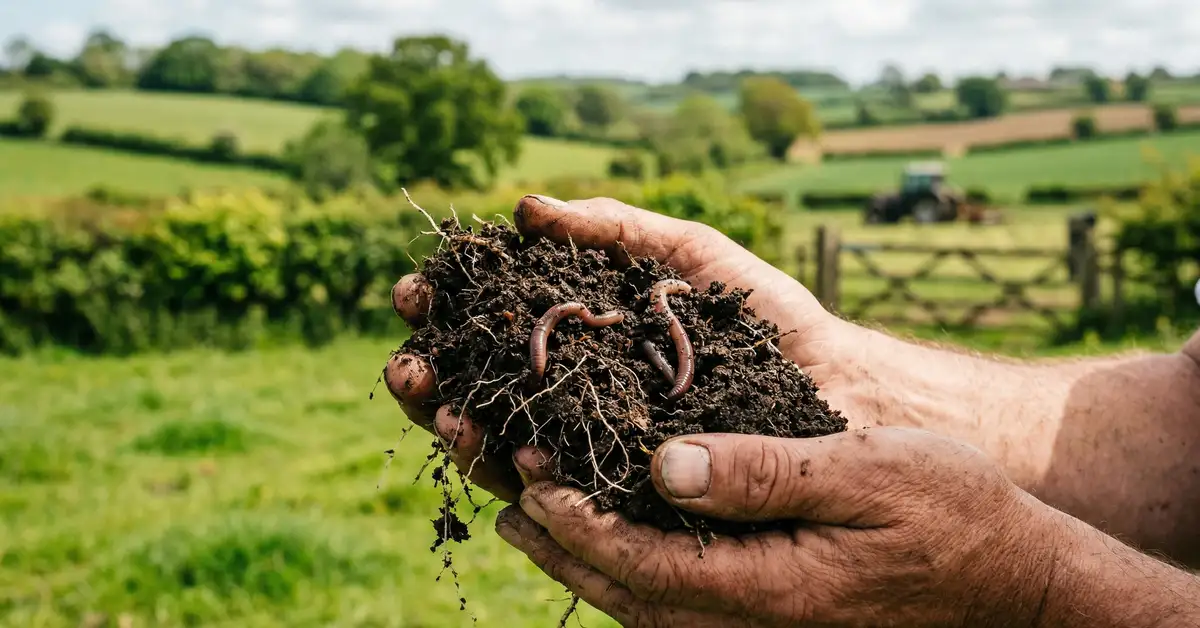
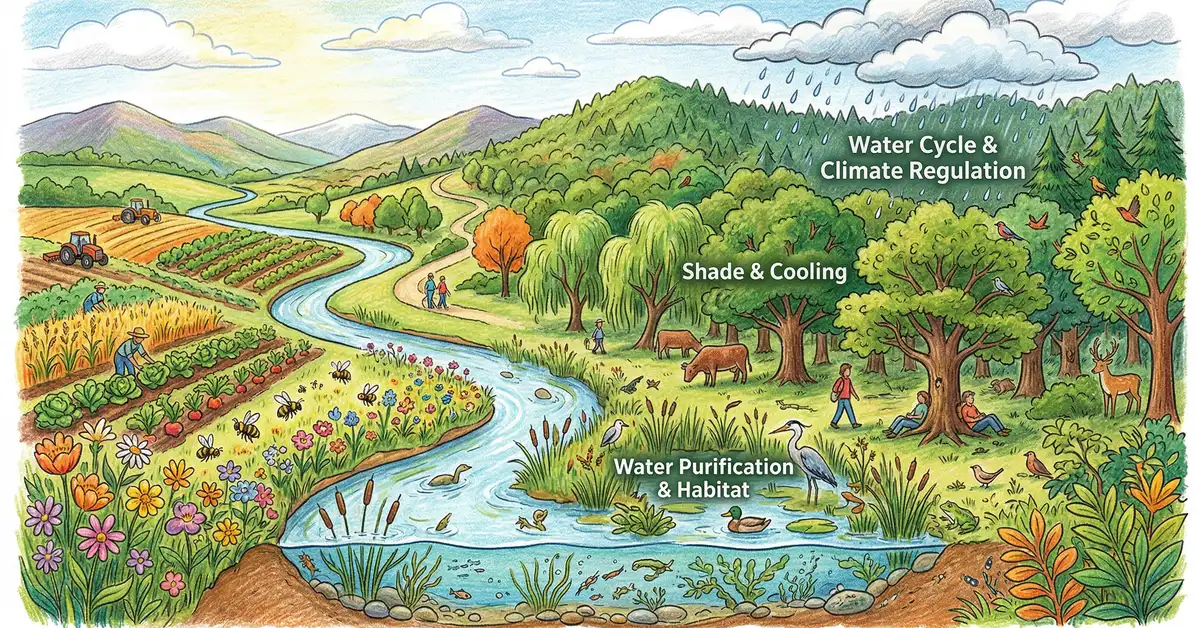
Ecosystem services are the direct and indirect contributions of nature to human wellbeing. They encompass four primary types: provisioning services (food, water, materials), regulating services ...
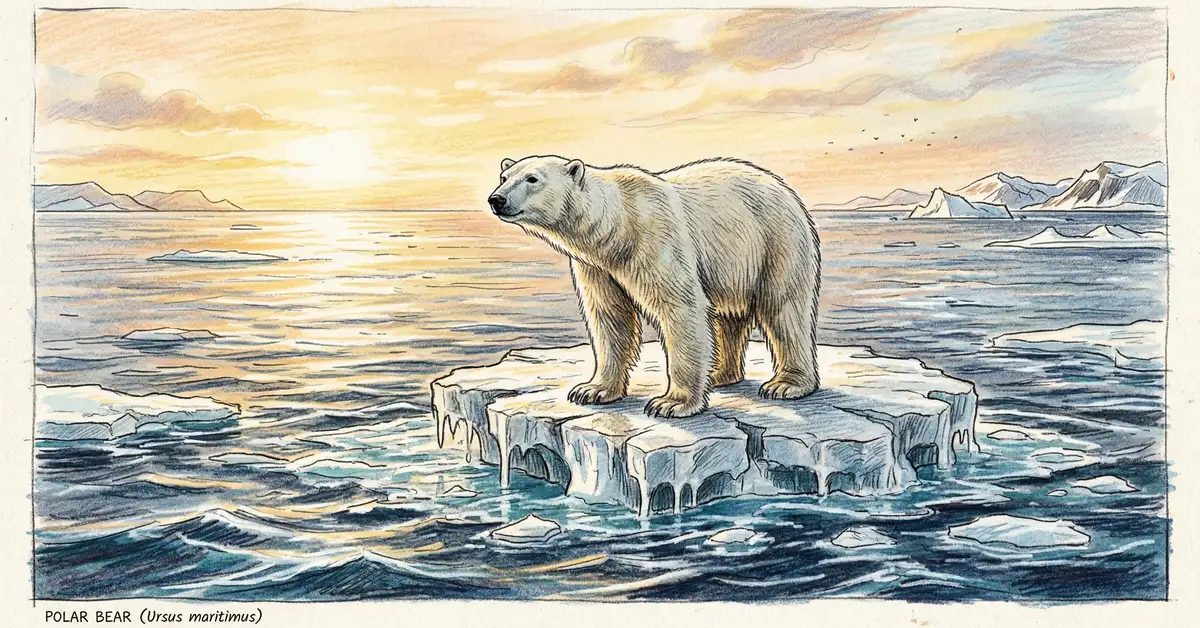
The species most affected by climate change include polar bears, coral reefs, amphibians, Arctic species, and mountain wildlife. Recent analysis shows that 5% of the 70,000+ assessed species face ...