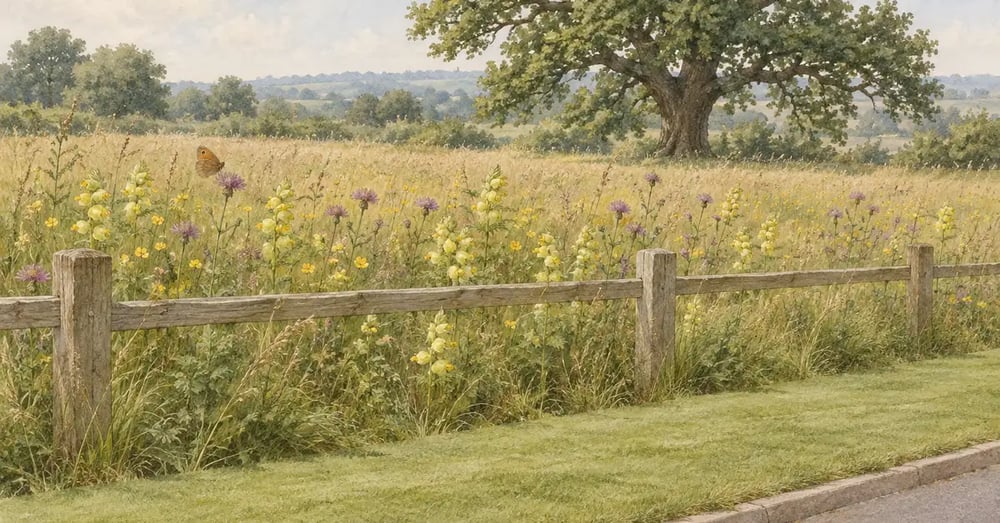
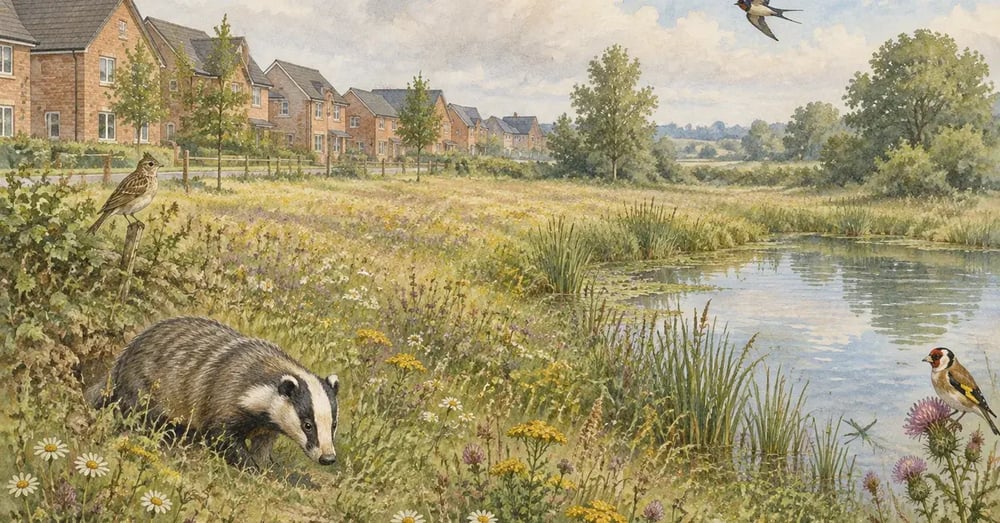
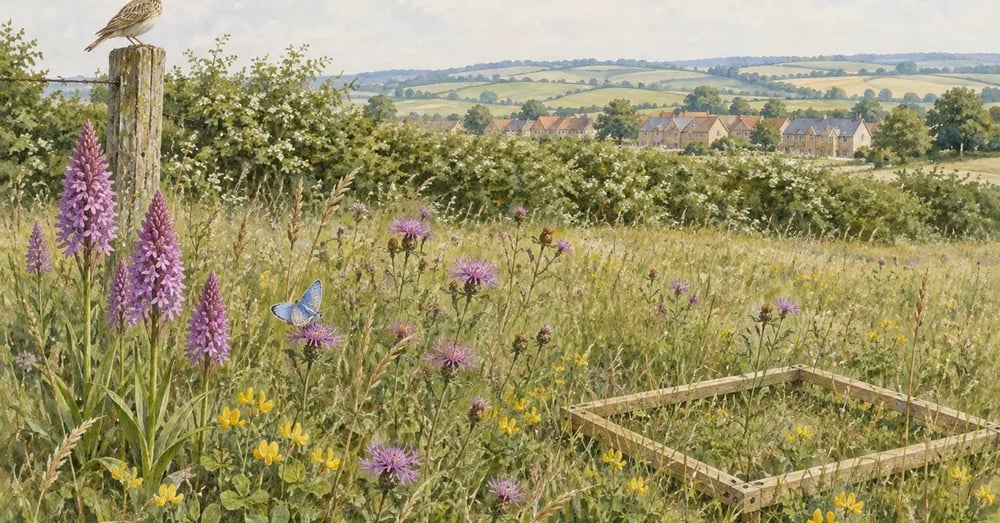
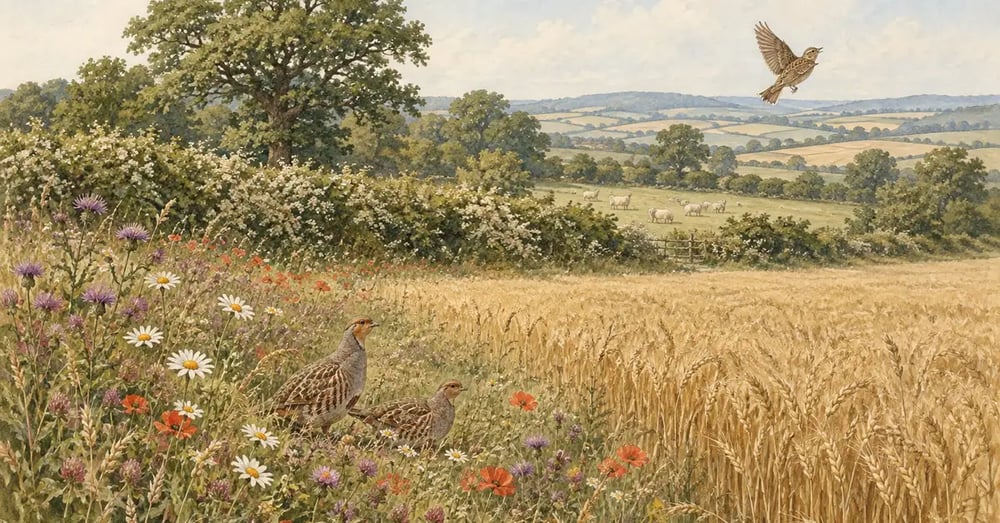
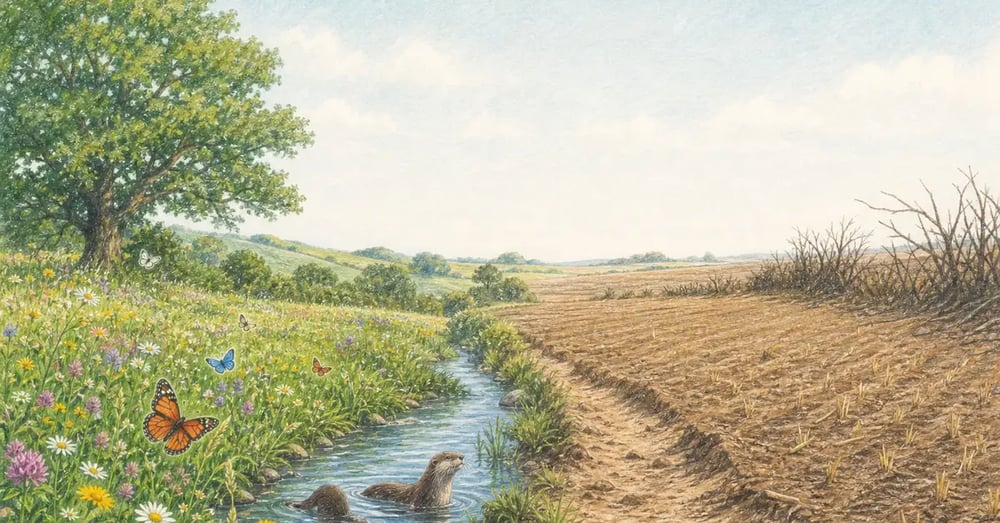
Habitat destruction is the loss of a natural habitat through human activity, to the point where it can no longer support the species that lived there. It is the leading driver of biodiversity loss on ...
The statutory biodiversity metric is the Defra tool that measures biodiversity value for biodiversity net gain (BNG) in England. It turns habitats into "biodiversity units" by scoring their area, ...
Biodiversity net gain (BNG) is required by Schedule 7A of the Town and Country Planning Act 1990, inserted by Schedule 14 of the Environment Act 2021. Unless exempt, every planning permission in ...
The BNG metric, officially the statutory biodiversity metric, is the Defra tool used in England to measure a site's biodiversity value in "biodiversity units" before and after development, to show ...
Agricultural biodiversity, also called agrobiodiversity, is the variety of life that food and farming depend on: the crops and livestock we raise and their wild relatives, plus the pollinators, soil ...
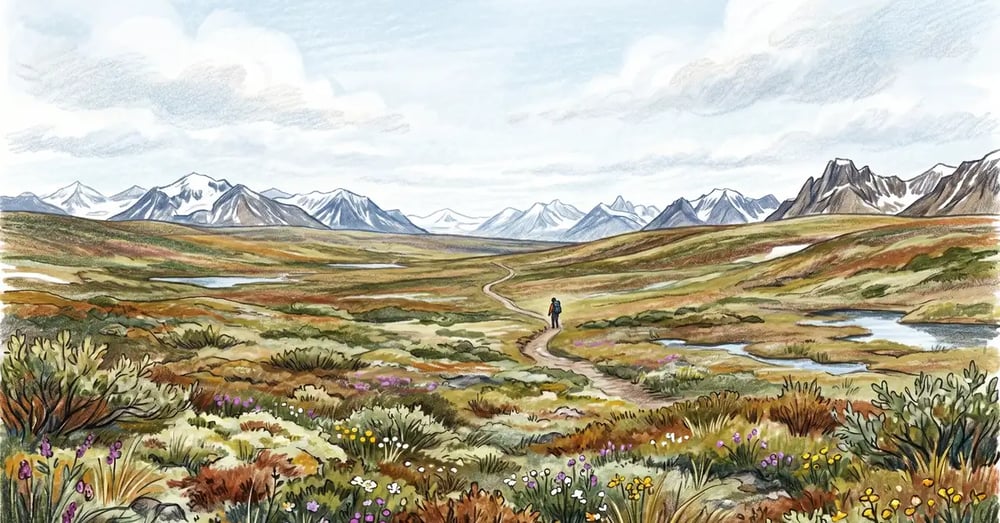
A tundra ecosystem is a cold, treeless biome where only low-growing plants such as mosses, lichens, sedges and dwarf shrubs can survive, because winters are long and dark, the growing season lasts ...
Biodiversity loss is the decline in the variety of life — fewer genes within species, fewer species, and fewer healthy ecosystems — whether locally, nationally or worldwide. In the UK it is ...
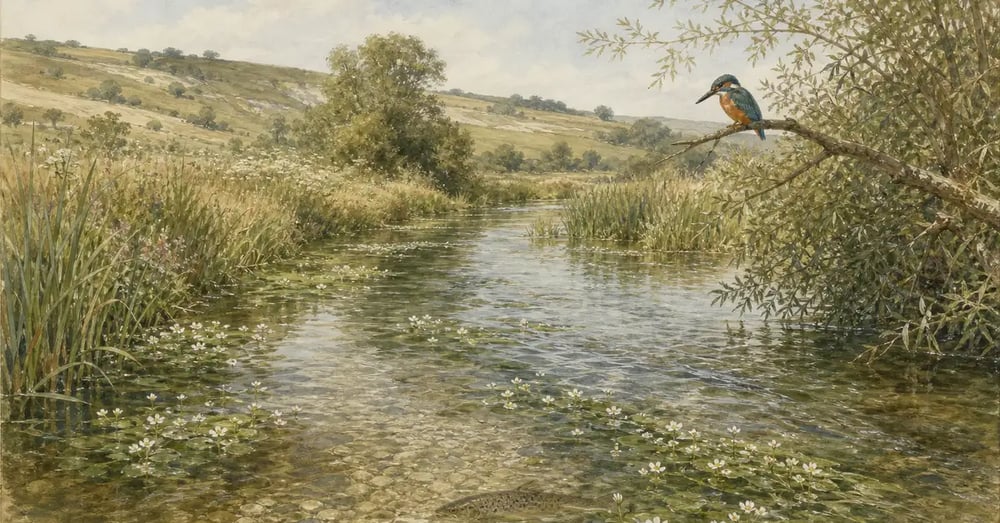
Chalk streams are one of the rarest river habitats on Earth — roughly 85% of the world's chalk streams flow through England, which has just over 280 of them. Fed by groundwater filtered slowly ...
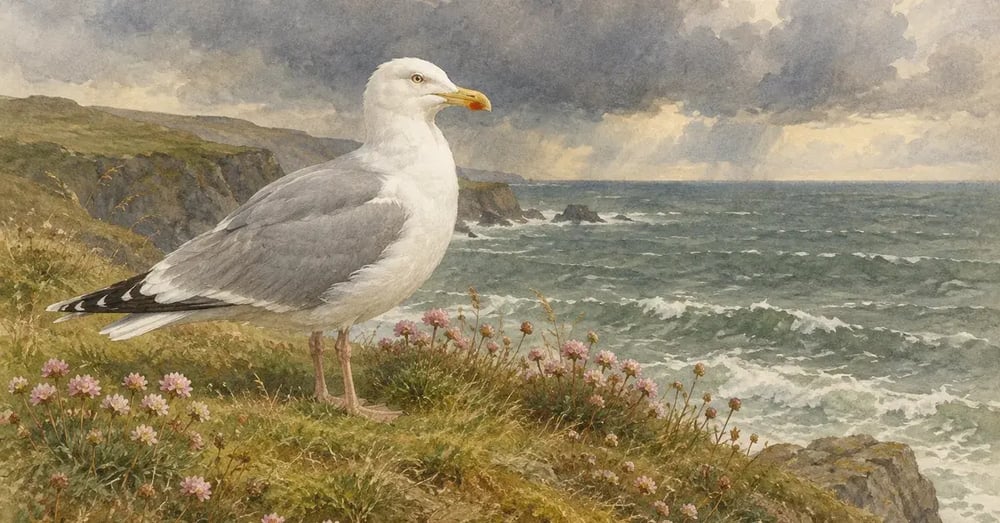
Are Seagulls Protected in the UK? Yes — all gulls in the United Kingdom are fully protected under the Wildlife and Countryside Act 1981 in England, Scotland and Wales, and under the Wildlife ...
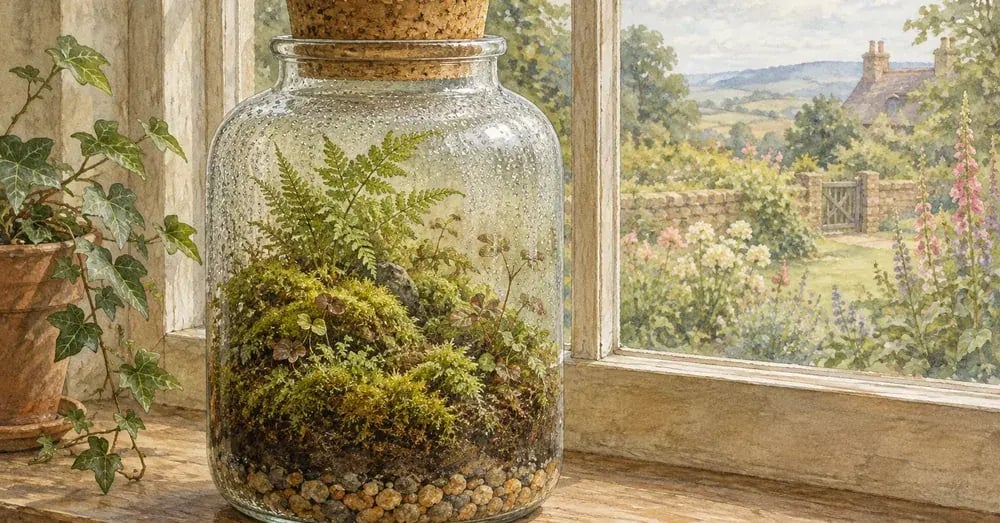
Key Takeaway A mini ecosystem is a self-sustaining habitat built inside a glass container, where photosynthesis, water cycling, and decomposition work on a small scale much as they do in nature. ...