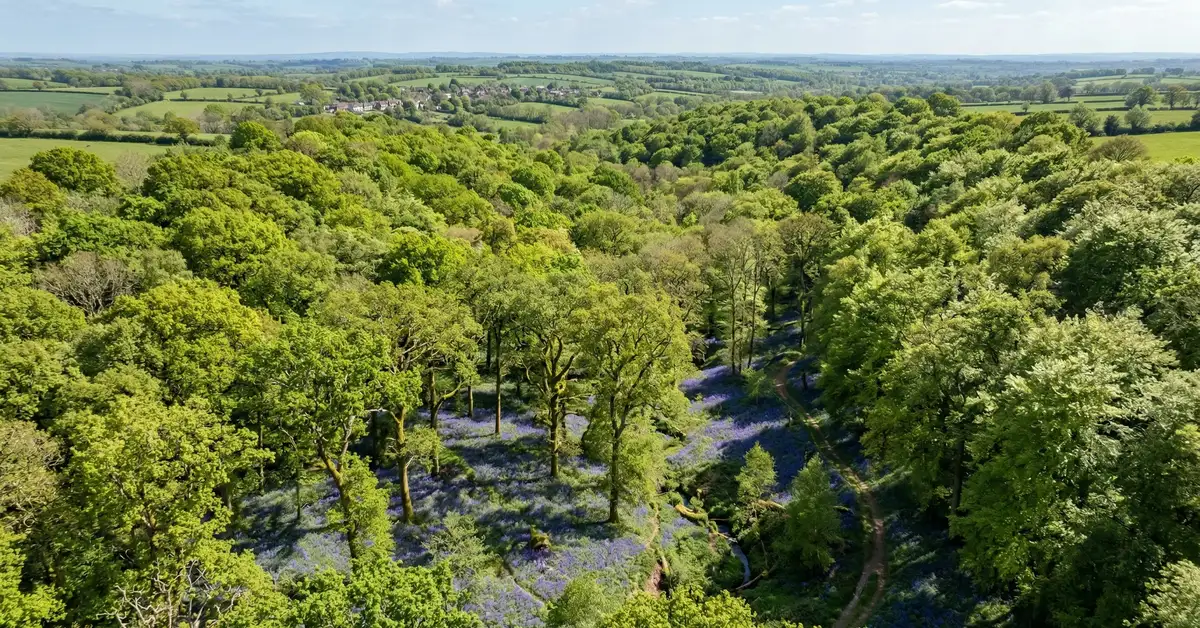
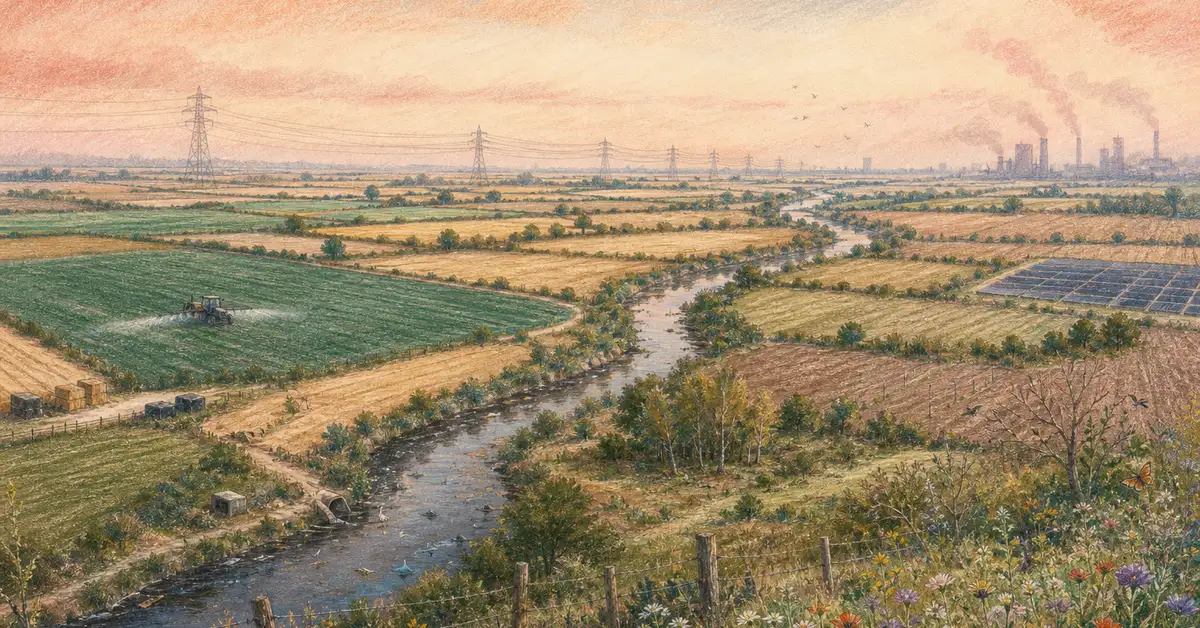
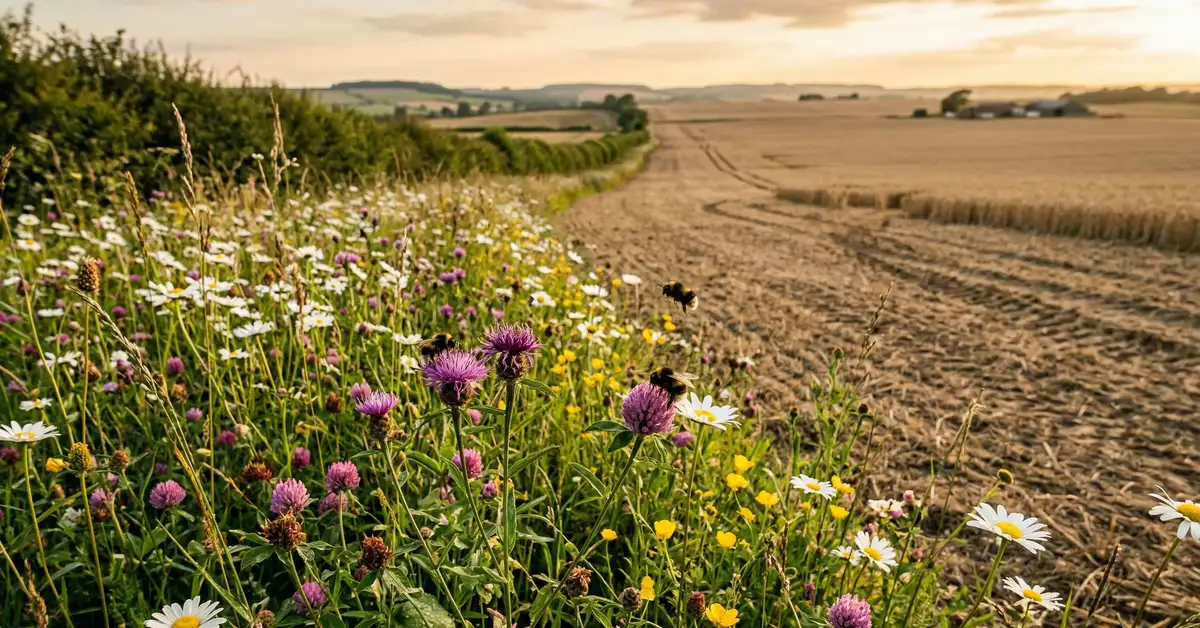
Key Takeaway The United Kingdom supports an extraordinary diversity of habitats — from ancient woodlands and blanket bogs to chalk streams found almost nowhere else on Earth. Yet only 3% of England's ...
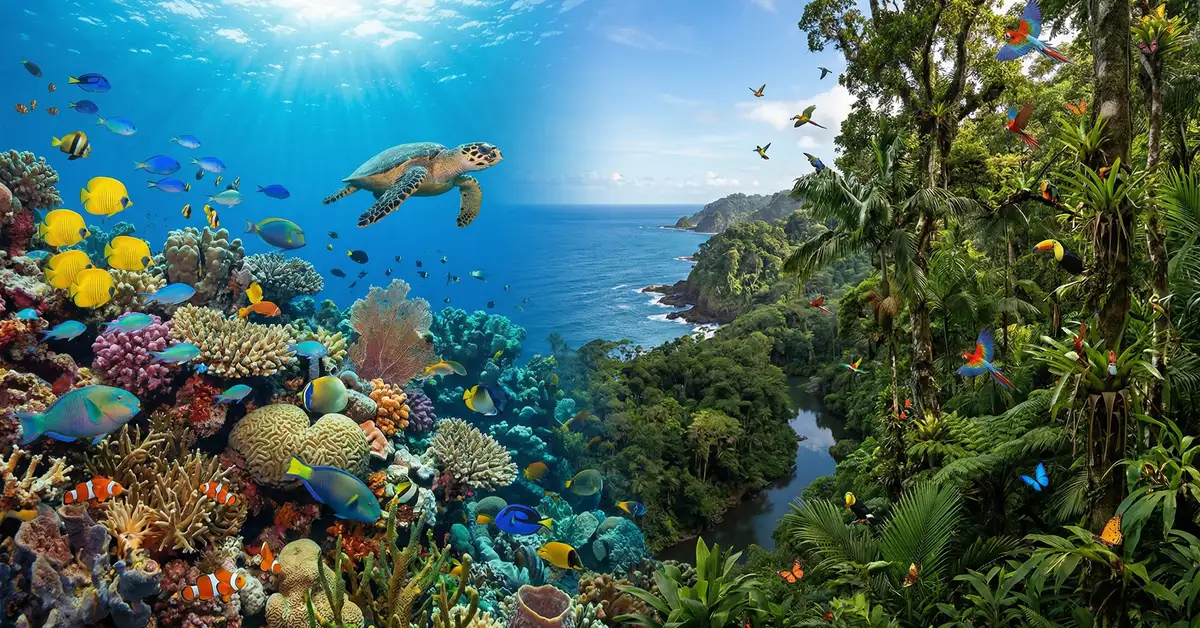
Key Takeaway Biodiversity is the variety of all life on Earth, operating across three interconnected levels: genetic, species, and ecosystem UK ecosystem examples diversity. Scientists estimate 8.7 ...
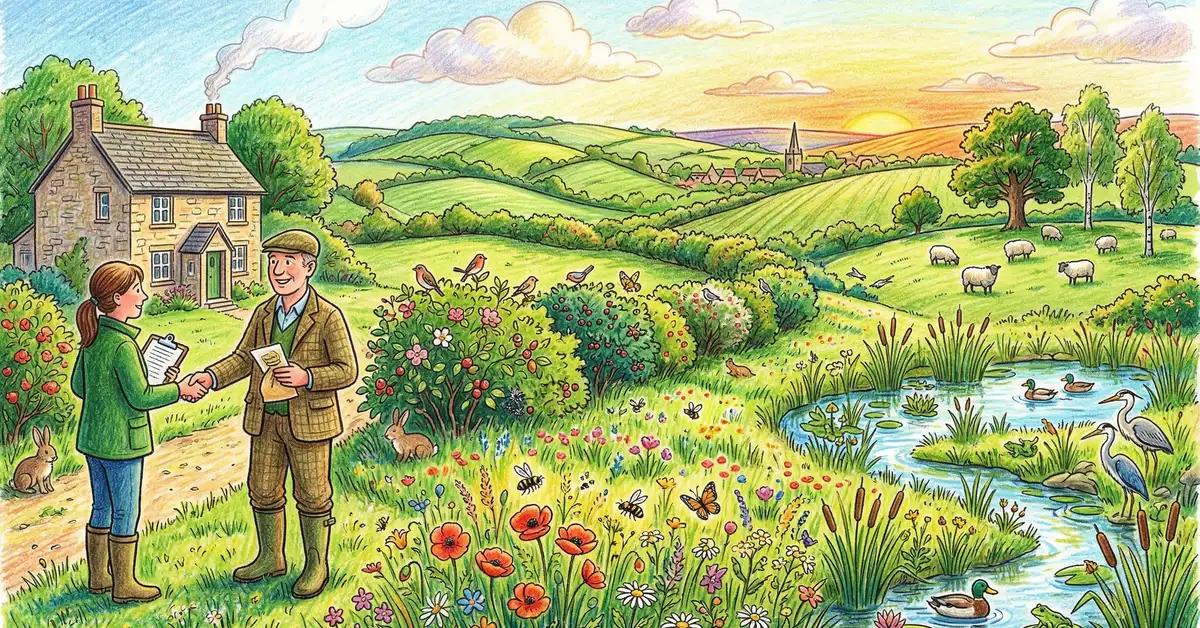
Payments for Ecosystem Services are financial mechanisms that reward landowners and managers for conservation work, from carbon sequestration to biodiversity protection. These schemes recognise ...
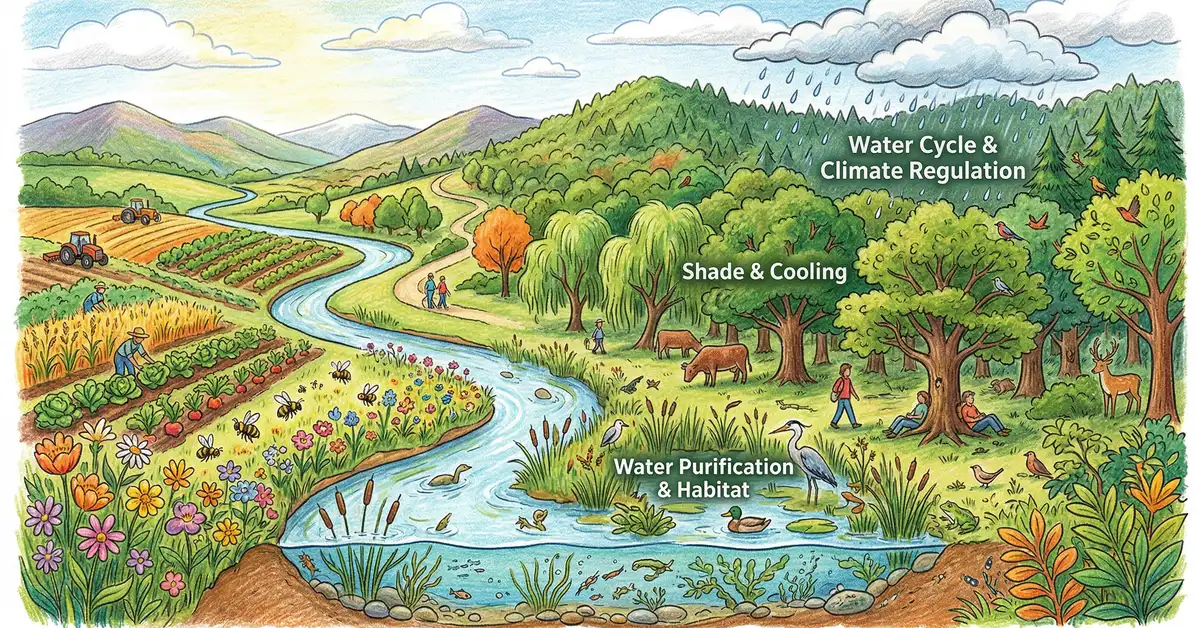
Ecosystem services are the direct and indirect contributions of nature to human wellbeing. They encompass four primary types: provisioning services (food, water, materials), regulating services ...
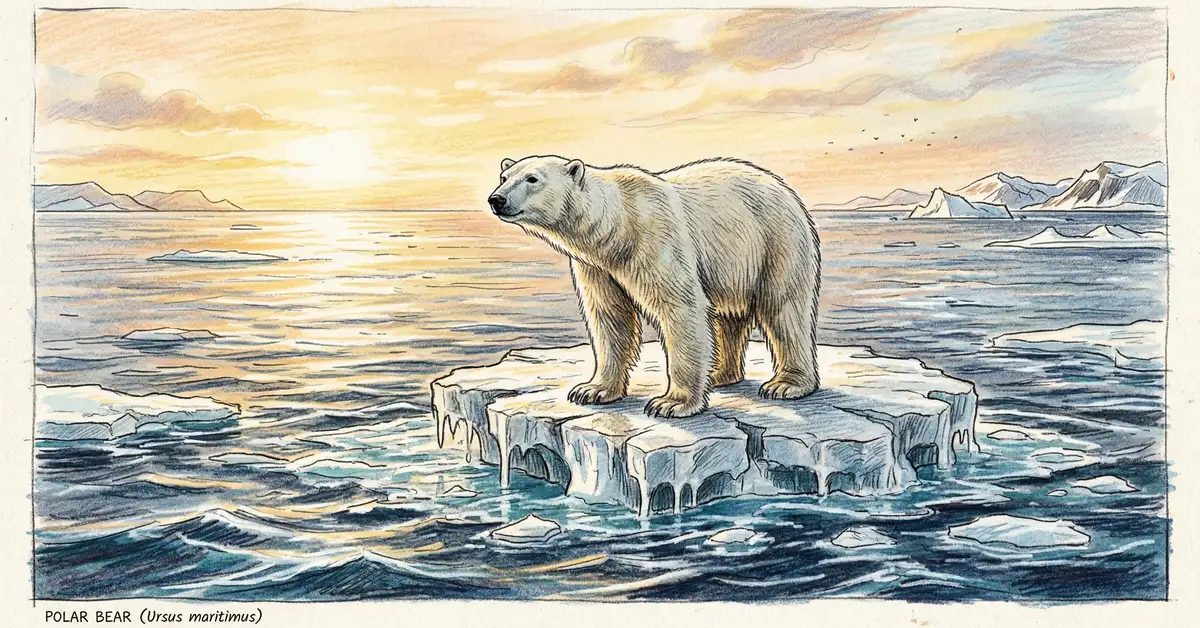
The species most affected by climate change include polar bears, coral reefs, amphibians, Arctic species, and mountain wildlife. Recent analysis shows that 5% of the 70,000+ assessed species face ...
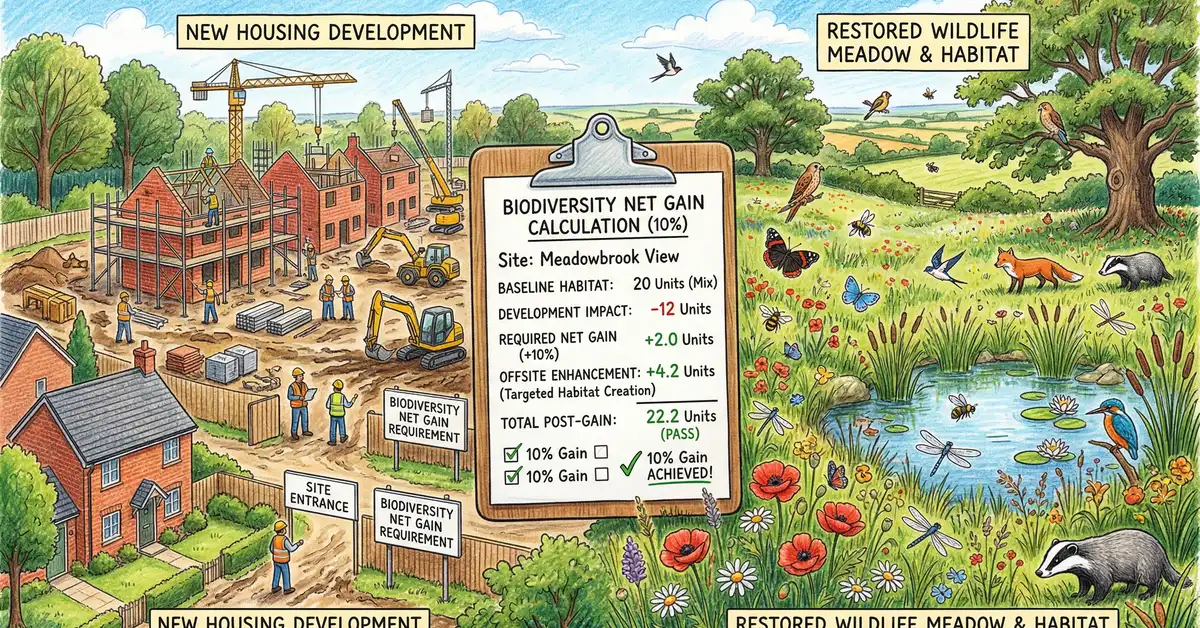
Biodiversity Net Gain (BNG) requires all new developments in England to deliver a minimum 10% increase in biodiversity value, measured using Defra's Biodiversity Metric 4.0. Mandatory since November ...
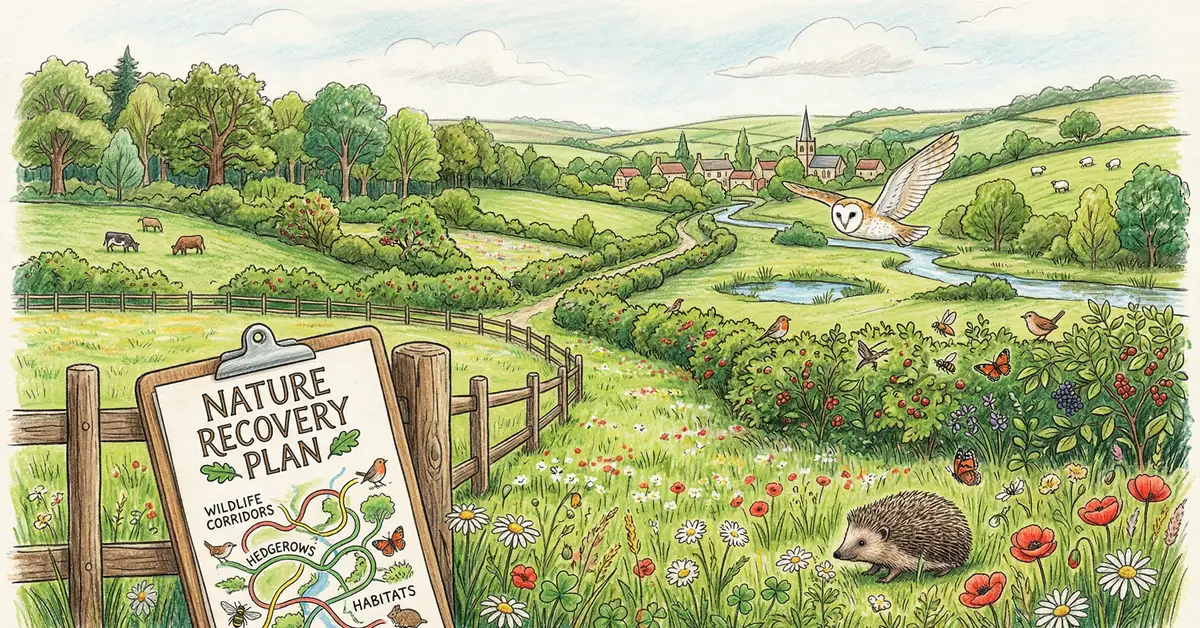
A biodiversity action plan is a strategic framework that identifies priority species and habitats, sets measurable conservation targets, and coordinates action among government agencies, NGOs, and ...
The UK Biodiversity Crisis in 2026: Why It Demands Transformative Change The UK is one of the most nature-depleted countries in Europe. Since 1970, an average of 19% of UK species have declined in ...