What Are the Main Types of Biodiversity?
Biodiversity is classified into three main types: genetic diversity (variation within species), species diversity (the variety of different organisms in an area), and ecosystem diversity (the range of habitats and ecological communities across a landscape). Together, these three levels capture the full spectrum of life on Earth — from the DNA sequences inside a single plant cell to the mosaic of woodlands, wetlands, and grasslands that define a region.
Scientists also use complementary frameworks such as functional diversity, phylogenetic diversity, and the alpha–beta–gamma spatial model to understand how biological variation is organised and why it matters. Each type of biodiversity tells us something different about the health of the natural world — and each requires a different approach to measurement and conservation.
In the United Kingdom, understanding these distinctions is more than academic. The State of Nature 2023 report found that average species populations declined by approximately 19 per cent since 1970, with particularly steep losses among insects and farmland specialists. Reversing these trends demands conservation strategies that address all three levels of biodiversity — not just the species we can see and count.
Key Takeaway
Biodiversity operates across three interconnected levels — genetic, species, and ecosystem. Effective conservation must address all three, because protecting species alone cannot succeed if genetic variation is eroding and habitats are disappearing. The UK harbours an estimated 60,000–100,000 total species, but only around 24,000 higher animals and plants have been formally documented.
3 levels
Core Biodiversity Types
Genetic, species, ecosystem
~100,000
Estimated UK Species
Including fungi and microorganisms
299
NVC Community Types
UK plant community classification
19%
Average Species Decline
UK populations since 1970
Sources: State of Nature 2023, National Biodiversity Network, JNCC National Vegetation Classification
What Is Genetic Diversity?
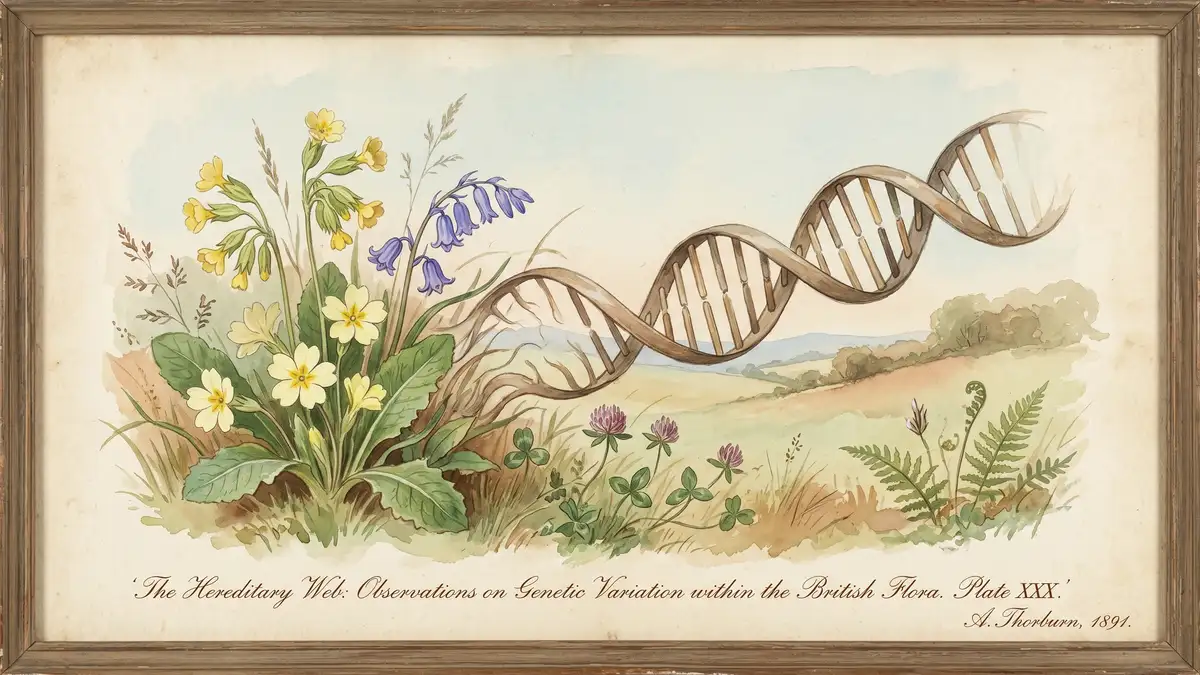
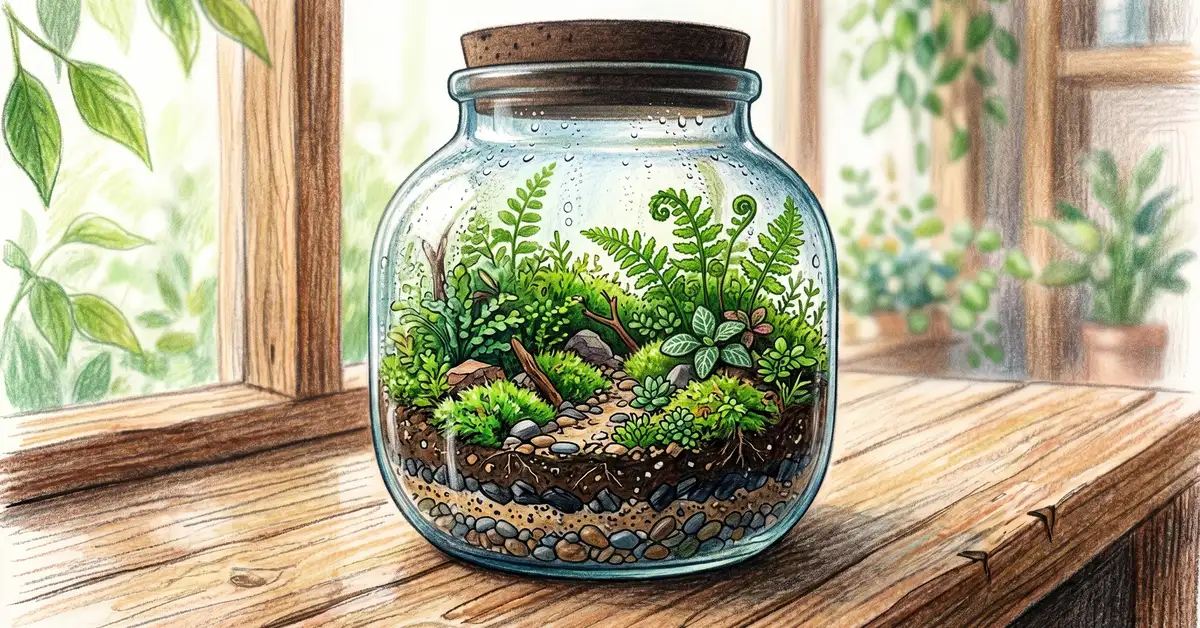
Genetic diversity is the variation in DNA sequences, genes, and chromosomes within and between populations of a species. It is the most fundamental level of biodiversity because it provides the raw material for evolution — populations with greater genetic variation can adapt more effectively to changing environments, resist diseases, and recover from disturbances.
Scientists measure genetic diversity using metrics such as allelic richness (the number of different gene variants at a particular locus), heterozygosity (the likelihood that two randomly selected gene copies differ), and nucleotide diversity (average DNA sequence differences across genomes). Between populations, FST values quantify how genetically distinct separate groups have become — a critical measure for understanding whether isolated populations are losing contact with the broader gene pool.
In the UK, genetic diversity research has historically focused on agricultural species — commercial wheat and barley cultivars, for example, contain only a fraction of the genetic diversity found in their wild ancestors. The Millennium Seed Bank at Kew preserves seed from over 40,000 plant species globally, safeguarding genetic resources that may prove vital as climate change reshapes growing conditions. For wildlife, the Darwin Tree of Life Project is now generating reference genomes for UK species, revealing previously unknown levels of within-population genetic variation in mammals, birds, and invertebrates.
Despite its importance, genetic diversity remains the least monitored of the three biodiversity types. Most UK conservation programmes track species presence and population size but rarely assess whether surviving populations retain sufficient genetic variation for long-term viability. Environmental DNA (eDNA) techniques — which detect genetic material from water, soil, or air samples — are beginning to change this picture by enabling non-invasive, large-scale genetic monitoring without capturing or disturbing animals.
What Is Species Diversity?
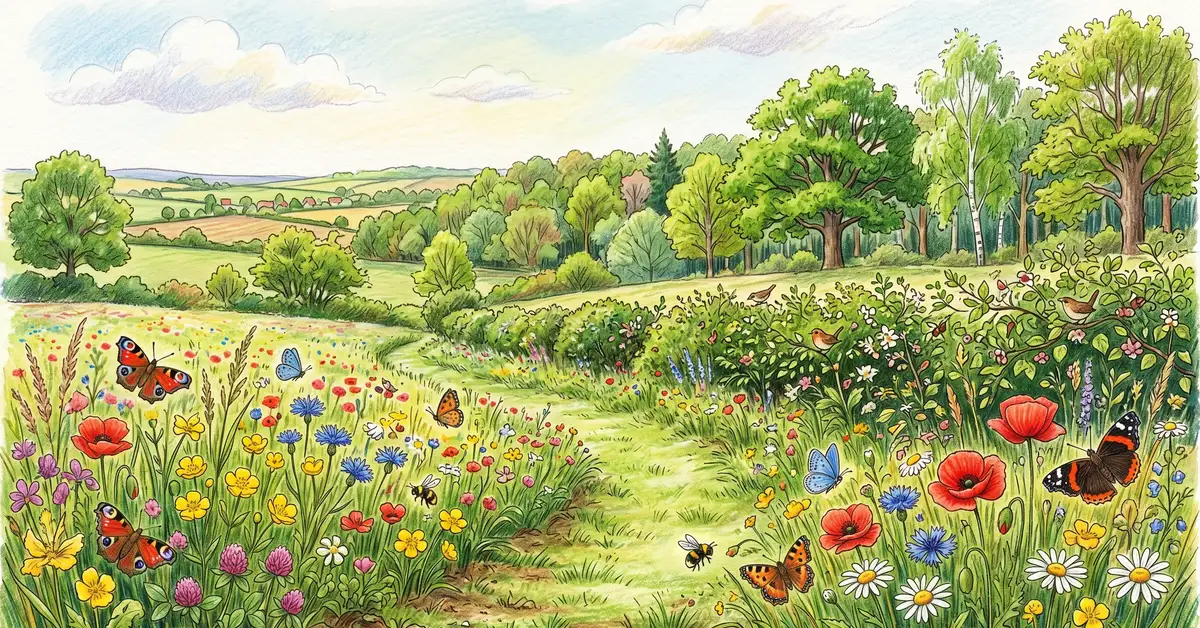
Species diversity describes the variety of different species in a given area, incorporating both species richness (how many different species are present) and species evenness (how evenly individuals are distributed among those species). A woodland supporting 40 bird species in roughly equal numbers has higher species diversity than one with 40 species where 90 per cent of individuals belong to just two species.
The UK is home to approximately 1,500 native flowering plant species, around 250 regularly occurring bird species, over 4,000 beetle species, and more than 2,500 species of moths and butterflies. According to the National Biodiversity Network, some 24,000 higher species have been formally recorded, though total UK species richness — including fungi, soil organisms, and microbes — likely reaches 60,000 to 100,000.
Scientists distinguish between three spatial scales of species diversity. Alpha diversity measures richness within a single site — a one-hectare meadow might contain over 40 plant species per square metre on the best calcareous grasslands, while intensively farmed arable land may support only two or three. Beta diversity captures the turnover in species composition between different sites, reflecting how different habitats support different communities. Gamma diversity represents the total species richness across an entire region, combining all the local communities within it.
This framework matters for UK conservation because it reveals that protecting individual sites is not enough. Maintaining high gamma diversity requires preserving the landscape mosaic of different habitat types — each supporting distinct species assemblages — rather than concentrating all effort on a few species-rich reserves.
| Diversity Scale | What It Measures | UK Example | Conservation Implication |
|---|---|---|---|
| Alpha | Species richness within a single site | 40+ plant species per m² on chalk grassland | Protect high-quality individual sites |
| Beta | Species turnover between different sites | Woodland vs heathland vs wetland communities | Maintain habitat variety across landscapes |
| Gamma | Total regional diversity across all sites | ~24,000 documented higher species across the UK | Landscape-scale conservation networks |
Source: Joint Nature Conservation Committee (JNCC)
Explore more of our biodiversity guides and share them with your community.
Browse All GuidesWhat Is Ecosystem Diversity?
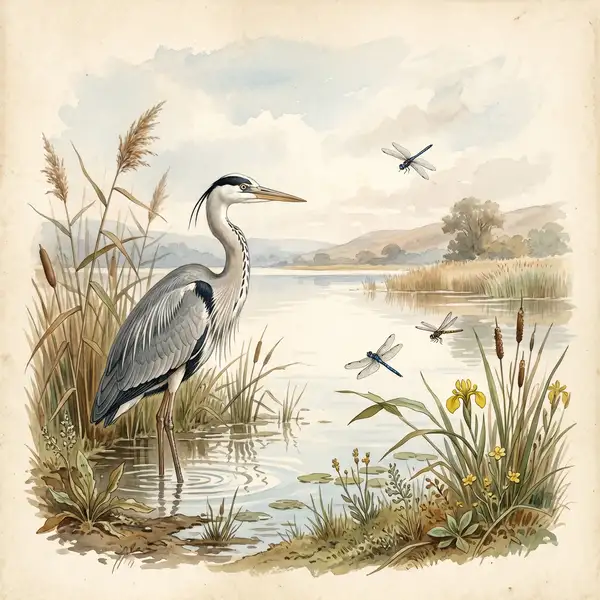
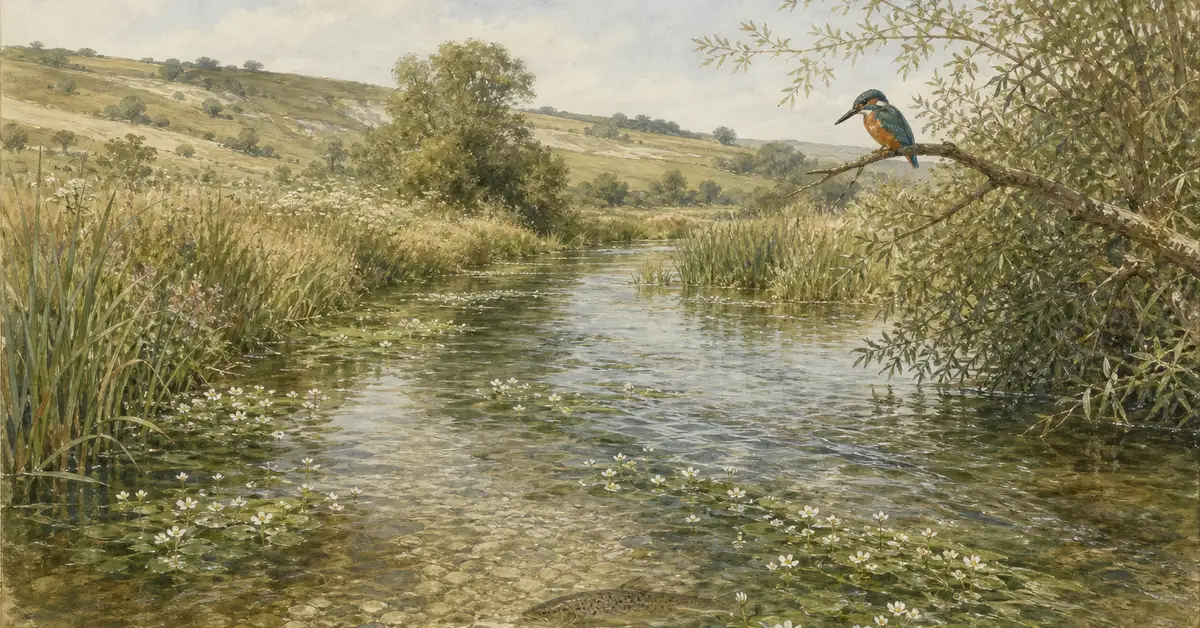
Ecosystem diversity refers to the variety of distinct habitats, ecological communities, and environmental processes found across a region. The UK encompasses a remarkable range of ecosystem types for its relatively small land area — from ancient Caledonian pine forests and lowland heathlands to chalk streams, saltmarshes, and deep-sea habitats off the continental shelf.
Classification systems help scientists map and monitor this diversity. The Broad Habitats framework used in the Countryside Survey recognises 15 major habitat categories, while the National Vegetation Classification (NVC) distinguishes 299 distinct plant community types based on floristic composition. Natural England maintains further inventories of priority habitats — those considered most threatened or ecologically distinctive, such as lowland meadows, blanket bog, and ancient woodland.
The scale of ecosystem loss in the UK is stark. Wetlands that once covered vast areas now occupy roughly two per cent of UK land. Ancient woodlands — continuously wooded since at least 1600 AD — cover only about two per cent of the total land area. Lowland heathlands have contracted to a fraction of their historical extent. Each ecosystem loss removes not only the habitat itself but the unique species assemblages it supported, alongside vital ecosystem services such as flood regulation, carbon storage, and water filtration.
Different ecosystems provide different services — wetlands filter water and buffer floods, woodlands store carbon and produce timber, grasslands support pollinators and build soil. Losing ecosystem diversity therefore means losing the resilience and breadth of services that nature provides to human communities.
Conservation Warning
The threat: Approximately 90 per cent of UK land lies outside formal protected area designations, leaving the vast majority of habitats vulnerable to conversion and degradation if economically advantageous.
What this means: Nature Recovery Networks — legally required under the Environment Act 2021 — are essential for reconnecting fragmented habitats and expanding ecosystem diversity beyond isolated reserves.
What Other Ways Can We Classify Biodiversity?
Beyond the three core levels, scientists use several complementary frameworks that reveal different dimensions of biological variation. Functional diversity measures the range of ecological roles performed by species in a community — feeding strategies, pollination methods, dispersal mechanisms, and nutrient cycling functions. Two habitats with identical species richness may have very different functional diversity if one contains species performing a wide variety of ecological roles while the other is dominated by species with similar strategies.
Functional diversity often predicts ecosystem resilience more accurately than species counts alone. Communities with high functional diversity can better absorb the loss of individual species because other organisms occupy similar ecological niches and can compensate. UK grassland restoration projects increasingly specify functional composition — including nitrogen-fixing legumes, nectar-rich forbs for pollinators, and structurally varied grasses — rather than simply aiming for a target species count.
Phylogenetic diversity captures the evolutionary distinctiveness of a species assemblage, measured by the total evolutionary history (branch length on a phylogenetic tree) represented by the group. From a conservation perspective, losing a species from a highly divergent evolutionary lineage — one that separated from its nearest relatives millions of years ago — represents a greater loss of evolutionary heritage than losing one of several closely related sister species. This framework remains underused in UK conservation planning but is gaining traction as genomic data becomes more widely available.
Functional Diversity
Measures the variety of ecological roles and traits in a community. High functional diversity means the ecosystem can maintain services even if some species are lost. Assessed using trait databases covering diet, body size, dispersal, and phenology.
Phylogenetic Diversity
Quantifies the breadth of evolutionary history in an assemblage. Prioritising phylogenetically distinct species preserves unique adaptations and biochemical capabilities developed over millions of years of independent evolution.
How Do Scientists Measure Biodiversity?
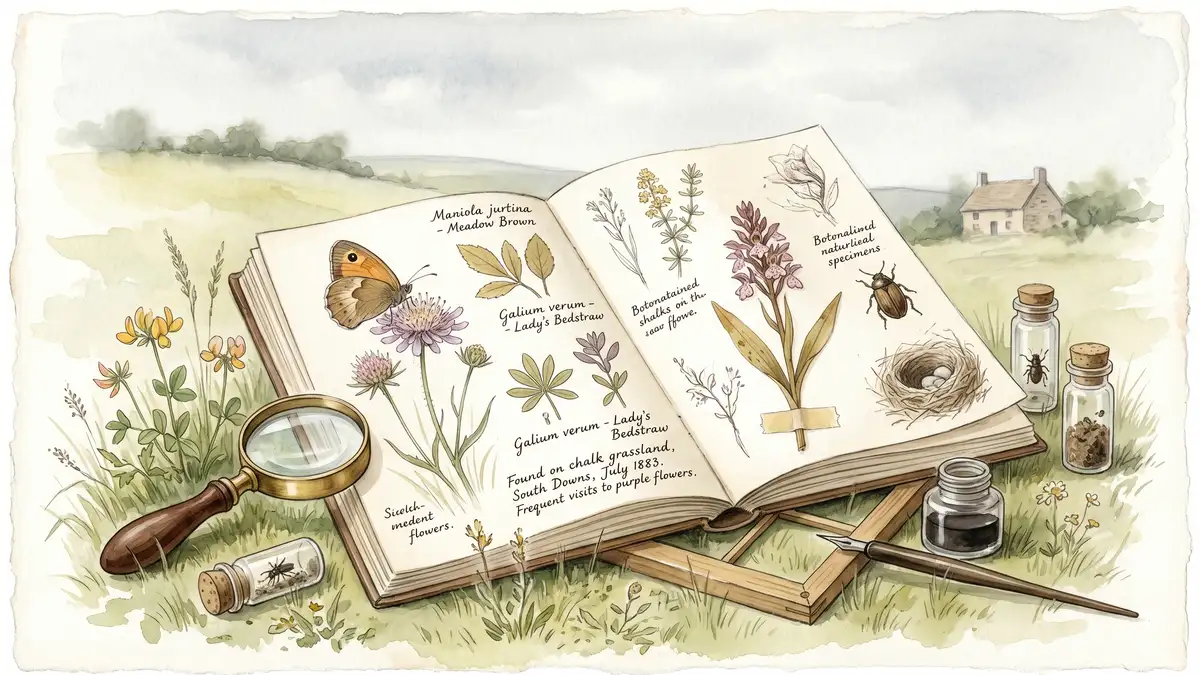
Measuring biodiversity requires different tools depending on the level and scale being assessed. At the species level, Simpson's Diversity Index calculates the probability that two randomly selected individuals belong to different species — values close to 1 indicate high diversity. The Shannon-Wiener Index takes a complementary approach, weighting rare species more heavily, making it particularly useful for conservation assessments where uncommon species are often the highest priority.
Traditional field methods remain essential: quadrat sampling for plant communities, transect walks for birds (as used in the BTO Breeding Bird Survey), and pitfall traps for invertebrates. The Rothamsted Institute has maintained continuous insect monitoring traps across the UK since the 1960s, providing some of the world's longest ecological time series. Citizen science programmes such as BioBlitz events contribute substantially to species recording, particularly in under-surveyed areas.
Emerging technologies are transforming what is possible. Environmental DNA (eDNA) detects species from trace genetic material in water or soil samples, enabling rapid biodiversity surveys without disturbing wildlife. Metabarcoding extends this by identifying entire communities from a single sample — revealing thousands of fungal and bacterial species in UK soils that were previously undocumented. Acoustic monitoring uses automated recorders and machine learning to identify species by their calls, particularly effective for nocturnal insects and bats.
At the ecosystem level, the UK's Countryside Survey has systematically sampled vegetation and habitats across one-kilometre squares since 1978, tracking long-term changes in habitat composition and plant diversity. These datasets, combined with remote sensing and satellite imagery, enable monitoring of climate-driven shifts in ecosystem extent and condition.
| Method | What It Measures | Strengths | Limitations |
|---|---|---|---|
| Quadrat sampling | Plant species richness and abundance | Standardised, comparable across decades | Labour-intensive, taxonomic expertise required |
| eDNA | Species presence from environmental samples | Non-invasive, detects rare and cryptic species | Cannot confirm population size or breeding status |
| Acoustic monitoring | Vocalising species (birds, bats, insects) | Continuous, remote, scalable with AI | Limited to species that produce identifiable sounds |
| Shannon-Wiener Index | Species richness weighted by evenness | Sensitive to rare species, strong theoretical basis | Requires complete abundance data |
Why Does Understanding Biodiversity Types Matter for Conservation?
Understanding the different types of biodiversity transforms conservation from a simple species-counting exercise into a strategic, multi-dimensional discipline. Each level demands different interventions. Genetic diversity conservation requires maintaining connected populations large enough to avoid inbreeding depression — isolated fragments with fewer than a few hundred individuals may retain the species but lose the genetic variation needed to adapt to environmental pressures. Species diversity conservation requires habitat management that supports both common and rare organisms. Ecosystem diversity conservation demands landscape-scale planning that maintains the full mosaic of habitat types across a region.
The UK's legal framework increasingly reflects this multi-level understanding. The Environment Act 2021 mandates biodiversity net gain — requiring developers to deliver a measurable 10 per cent increase in biodiversity value on new sites. The Kunming-Montreal Global Biodiversity Framework establishes monitoring targets spanning all levels of biodiversity, pushing nations to track genetic variation and ecosystem condition alongside species counts.
For anyone involved in conservation, land management, or environmental policy, recognising that biodiversity is not a single metric but a complex of interconnected levels is essential. A restored meadow might score well on species richness but fail on functional diversity if it lacks pollinators and decomposers. A nature reserve might protect rare species but contribute little to regional gamma diversity if it duplicates habitats already well-represented elsewhere. Effective conservation requires thinking across all these dimensions simultaneously.
Frequently Asked Questions
What are the three main types of biodiversity?
The three main types are genetic diversity (variation in DNA within and between populations of a species), species diversity (the variety and relative abundance of different species in an area), and ecosystem diversity (the range of different habitats and ecological communities across a landscape). These three levels form an interconnected hierarchy — genetic variation within species supports species diversity, and species diversity contributes to the distinct character of different ecosystems.
Why is genetic diversity important for species survival?
Genetic diversity provides the raw material for evolution. Populations with high genetic variation can adapt to diseases, climate shifts, and environmental stressors because some individuals carry gene variants that confer resistance or tolerance. Populations with low genetic diversity are more vulnerable to inbreeding depression, disease outbreaks, and extinction. In UK agriculture, centuries of selective breeding have dramatically reduced genetic diversity in commercial crop and livestock varieties, prompting the establishment of seed banks and breed conservation programmes.
What is the difference between alpha, beta, and gamma diversity?
Alpha diversity is species richness within a single local site. Beta diversity measures how species composition changes between different sites — high beta diversity means each habitat supports a distinct set of species. Gamma diversity is the total species richness across an entire region. In the UK, gamma diversity is substantially higher than individual site alpha diversity because different habitat types — woodlands, grasslands, wetlands, heathlands — support distinct species assemblages.
How is biodiversity measured in the UK?
UK biodiversity is measured through a combination of traditional field surveys (quadrat sampling, transect walks, trapping), diversity indices (Simpson's and Shannon-Wiener), and emerging technologies including environmental DNA analysis, acoustic monitoring, and metabarcoding. Long-running monitoring programmes like the BTO Breeding Bird Survey, the Butterfly Monitoring Scheme, and the Countryside Survey provide trend data spanning decades. Citizen science initiatives, including BioBlitz events, contribute millions of records annually to the National Biodiversity Network.
What is functional diversity and why does it matter?
Functional diversity measures the variety of ecological roles performed by organisms in a community — different feeding strategies, pollination methods, decomposition processes, and nutrient cycling functions. It matters because ecosystems with high functional diversity are more resilient to disturbance; if one species is lost, others performing similar functions can compensate. Research shows functional diversity often predicts ecosystem stability more accurately than species richness alone. UK conservation increasingly incorporates functional diversity into habitat restoration planning.
How many species are there in the UK?
The UK has approximately 24,000 formally documented species of higher animals and plants on the National Biodiversity Network. However, total UK species richness — including fungi, invertebrates, soil organisms, and microbes — is estimated at between 60,000 and 100,000 species. Significant knowledge gaps remain, particularly for fungi (an estimated 10,000–15,000 species), soil organisms, and many invertebrate groups. Even well-studied regions continue to yield new species records as survey methods improve.
Every Person Who Understands Biodiversity Becomes an Advocate
We publish free, evidence-based guides on biodiversity, conservation, and wildlife photography. Subscribe to stay updated with new content from across the UK and beyond.
Sources: State of Nature 2023, National Biodiversity Network, JNCC, Kew Millennium Seed Bank, Darwin Tree of Life Project, Environment Act 2021, BTO Breeding Bird Survey, UK Countryside Survey
Clwyd Probert
Founder, Pixcellence
Clwyd founded Pixcellence to celebrate and protect the natural world through photography, education, and community-driven conservation content. Based in Shropshire, the site serves as a trusted resource for biodiversity, wildlife, and conservation information.