Key Takeaway
Biodiversity underpins human health far more directly than most people realise. Roughly 50 per cent of modern medicines originate from natural products, 75 per cent of food crops depend on animal pollinators, and UK urban trees prevent over 2,000 premature deaths each year by filtering air pollution. Protecting ecosystems is not separate from protecting public health — it is the same objective viewed through a different lens.
Biodiversity loss is a public health crisis. Approximately 50 per cent of approved pharmaceuticals over the past three decades derive directly or indirectly from natural products, and more than 75 per cent of global food crops rely on animal pollinators that are declining worldwide. In the United Kingdom — one of the world's most nature-depleted countries — the consequences are already measurable: degraded soils reduce crop nutrition, fragmented habitats increase disease risk, and unequal access to green space widens health inequalities. Understanding how biodiversity sustains human wellbeing is the first step toward reversing these trends.
How Nature Supplies Our Medicines
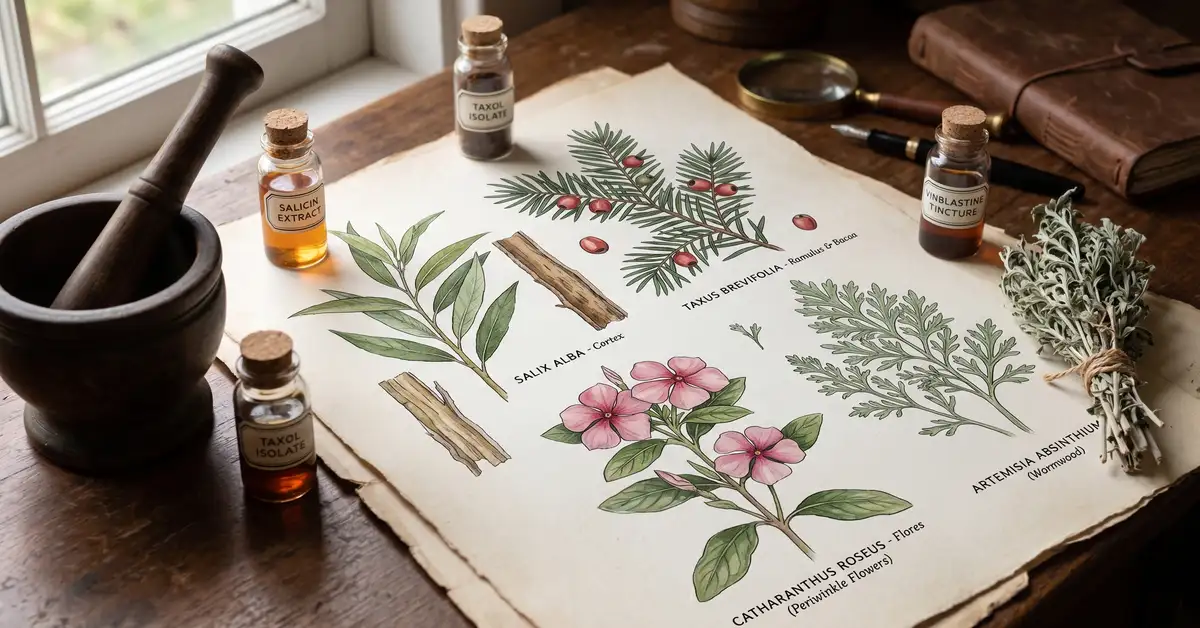
The pharmaceutical debt owed to biodiversity is extraordinary. According to research published in the Journal of Natural Products, up to 50 per cent of drugs approved in the past 30 years trace their origins to natural compounds. The World Health Organisation confirms that around 40 per cent of current pharmaceutical products have a natural product basis, with 11 per cent of its designated essential medicines derived exclusively from flowering plants.
The examples are familiar even if the origins are not. Penicillin — the antibiotic that made modern surgery and cancer treatment possible — came from a naturally occurring mould. Aspirin was developed from compounds found in white willow bark. Paclitaxel, one of the most important cancer drugs of the past 50 years, was isolated from Pacific yew tree bark through research funded by the US National Cancer Institute. Vincristine and vinblastine, used against leukaemia and Hodgkin's disease, derive from the Madagascar periwinkle. Artemisinin, the antimalarial that earned its discoverers a Nobel Prize in 2015, was identified by screening compounds described in ancient Chinese medical texts.
What makes these stories urgent rather than merely interesting is that roughly 15 per cent of flowering plant species likely remain undiscovered, concentrated in biodiversity hotspots where extinction rates are highest. Each species lost before screening represents a pharmaceutical discovery that will never happen — a treatment for Alzheimer's, a novel antibiotic, or a cancer therapy that the world will never know it missed.
50%
Approved Drugs
From natural products (past 30 years)
75%
Food Crops
Depend on animal pollinators
£1bn
UK Pollinator Value
Annual contribution to farming
2,001
Deaths Prevented
By UK nature's air filtration (2020)
Sources: Journal of Natural Products 2012, WHO Biodiversity Fact Sheet, UKRI Pollinator Research
Ecosystem Services That Protect Public Health
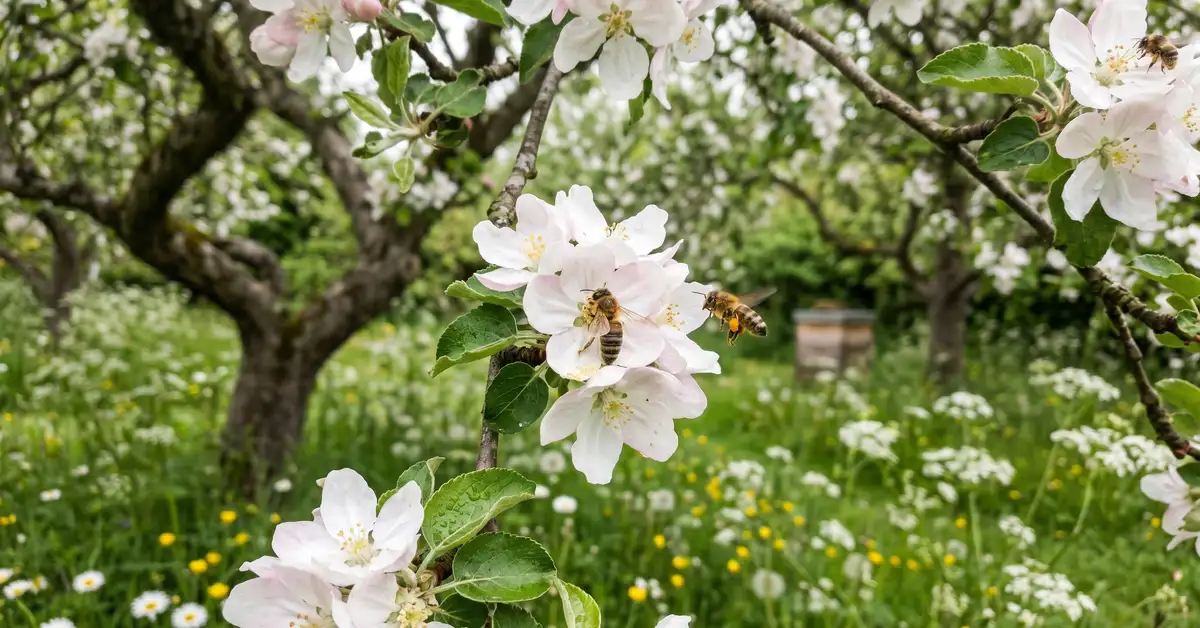
Beyond the medicine cabinet, ecosystems provide the basic infrastructure of healthy living — clean air, clean water, nutritious food, and flood protection. These ecosystem services are so fundamental that they often go unnoticed until they fail.
Pollinators illustrate the scale of dependence. Insect pollinators contribute approximately £1 billion per year to UK farming, and pollinator-dependent crops are primarily the nutrient-rich foods — fruits, vegetables, nuts, and oilseeds — that prevent micronutrient deficiencies. A collapse in wild pollinator populations would not merely reduce food quantity; it would strip diets of precisely the vitamins and minerals most important for preventing chronic disease. Artificially replacing insect pollination in the UK would cost an estimated £1.9 billion annually, a figure that is both economically prohibitive and technologically unachievable at current levels of development.
Urban trees provide another layer of health protection. In the United Kingdom, trees remove air pollutants worth approximately £12 billion annually, and well-placed trees can halve the concentration of pollutants behind them. In 2020, nature's air filtration services prevented 2,001 deaths and 49,126 years of life lost. This matters because air pollution remains the largest environmental risk to UK public health, with between 28,000 and 36,000 deaths attributed to it each year.
Wetlands serve as natural water treatment systems, removing up to 90 per cent of sediments from runoff and breaking down chemical pollutants through biologically driven processes. Research published in Nature found that increasing biodiversity from a single algae species to eight boosted an ecosystem's capacity to absorb nitrate pollution by 4.5 times. Despite their importance, 35 per cent of global wetlands were lost between 1970 and 2015 — undermining water quality, flood protection, and groundwater recharge for billions of people.
Habitat Destruction and Pandemic Risk
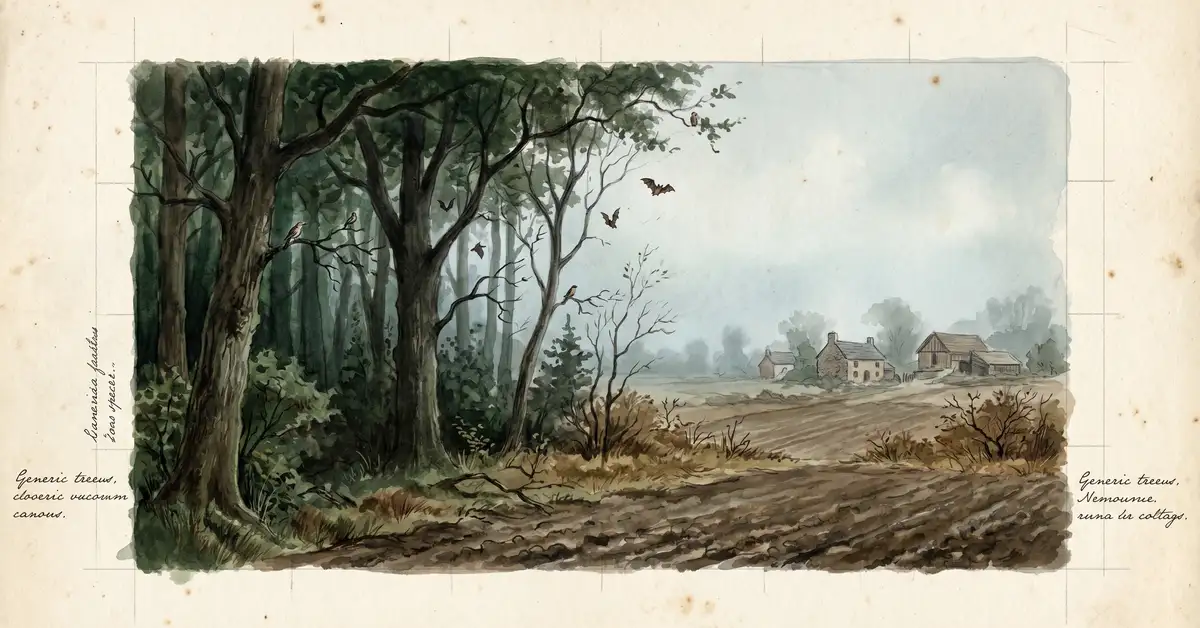
The link between habitat destruction and infectious disease is one of the most consequential connections in the biodiversity-health relationship. According to the WHO, approximately 60 per cent of emerging infectious diseases originate in animal reservoirs, accounting for roughly one billion cases of human illness annually. Over 30 new human pathogens have been detected in the last three decades, with 75 per cent originating in animals.
The mechanisms are well understood. Deforestation, land-use intensification, and the wildlife trade bring humans into closer contact with species that carry viruses to which we have no immunity. Wildlife markets concentrate stressed animals from multiple species in crowded, unsanitary conditions, amplifying viral loads and creating ideal conditions for cross-species transmission. The SARS outbreak of 2002–2003 traced to bat coronaviruses reaching humans through civet cats in southern Chinese markets. COVID-19 followed a similar pattern. Ebola outbreaks in West Africa have been linked to ecological degradation that forced bat colonies into closer proximity with human settlements.
The Dilution Effect
In biodiverse ecosystems, the presence of multiple species dilutes pathogen transmission by reducing contact between high-quality hosts and susceptible individuals. Lyme disease incidence, for example, is lower in areas with intact predator communities that regulate tick populations. When biodiversity declines, the most competent disease hosts tend to survive, concentrating transmission risk.
One Health Approach
The One Health framework recognises that human, animal, and environmental health are inseparable. It requires doctors, veterinarians, ecologists, and policymakers to work together on disease surveillance, habitat preservation, and outbreak prevention — addressing the ecological drivers of spillover rather than waiting for the next pandemic.
In the UK, climate change is already altering disease vectors. The tick species Ixodes ricinus, which transmits Lyme disease and tick-borne encephalitis, has expanded its geographic range northward as temperatures rise. Lyme disease cases in the UK increased between 2001 and 2018, a trend directly associated with warmer conditions enabling tick survival in previously unsuitable habitats.
Nature and Mental Health: The Evidence for Green Prescribing
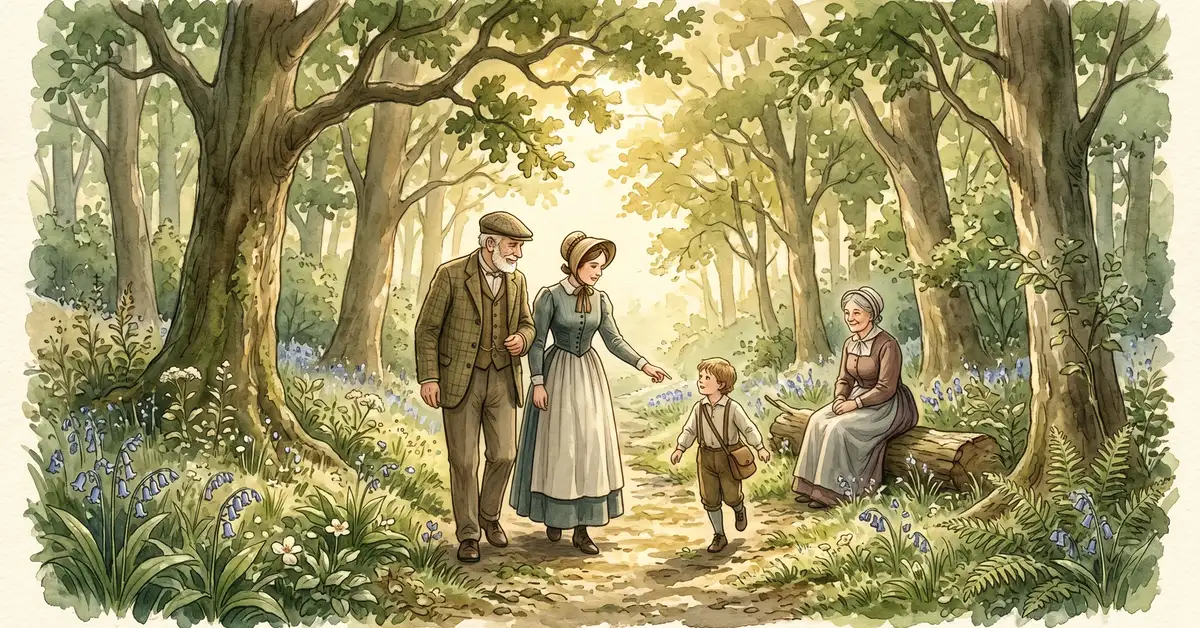
The relationship between nature and mental health has moved well beyond anecdotal observation into quantified clinical evidence. Individuals living in urban areas with greater access to green space report less mental distress, less anxiety and depression, and healthier cortisol profiles. Large differences in disease prevalence persist even after controlling for socioeconomic status, and nearby green space buffers the health impacts of life stresses across diverse ages and cultures.
Forest bathing — known in Japan as shinrin-yoku — demonstrates the physiological mechanisms at work. Studies show that time in forest environments reduces blood pressure, activates the parasympathetic nervous system, decreases cortisol levels, and boosts immune function. Research on participants with depressive tendencies found they gained significantly greater benefit than those without, suggesting that the people who most need nature's therapeutic effects are precisely those who benefit most from receiving them.
The UK government's evaluation of green social prescribing pilot programmes provides the most rigorous evidence for nature-based health interventions in a UK context. Over two years, 8,339 people with mental health needs accessed nature-based activities including ecotherapy walks, community gardening, and conservation volunteering. Participants experienced statistically significant improvements across all four dimensions of the ONS4 wellbeing scale — happiness, anxiety, life satisfaction, and sense that life is worthwhile. Before the programme, participants' wellbeing differed substantially from national averages; afterwards, happiness and anxiety scores aligned with the national average.
The Bottom Line
Green social prescribing delivered a £1.88 return on investment for every £1 spent, creating an estimated £14 million in wellbeing value across seven pilot sites. Participants from the most socioeconomically deprived areas gained disproportionately greater improvements — meaning nature-based interventions can actively reduce health inequalities.
Access remains deeply unequal, however. While 73 per cent of English residents live within a 15-minute walk of green space, 27 per cent do not. Natural England research found that Black and Black British adults are significantly less likely to live within five minutes of green space than White adults, and only 26 per cent of adults in the most deprived areas have green space close to home compared with 38 per cent in the least deprived areas.
Food Security, Soil Health, and Nutritional Decline
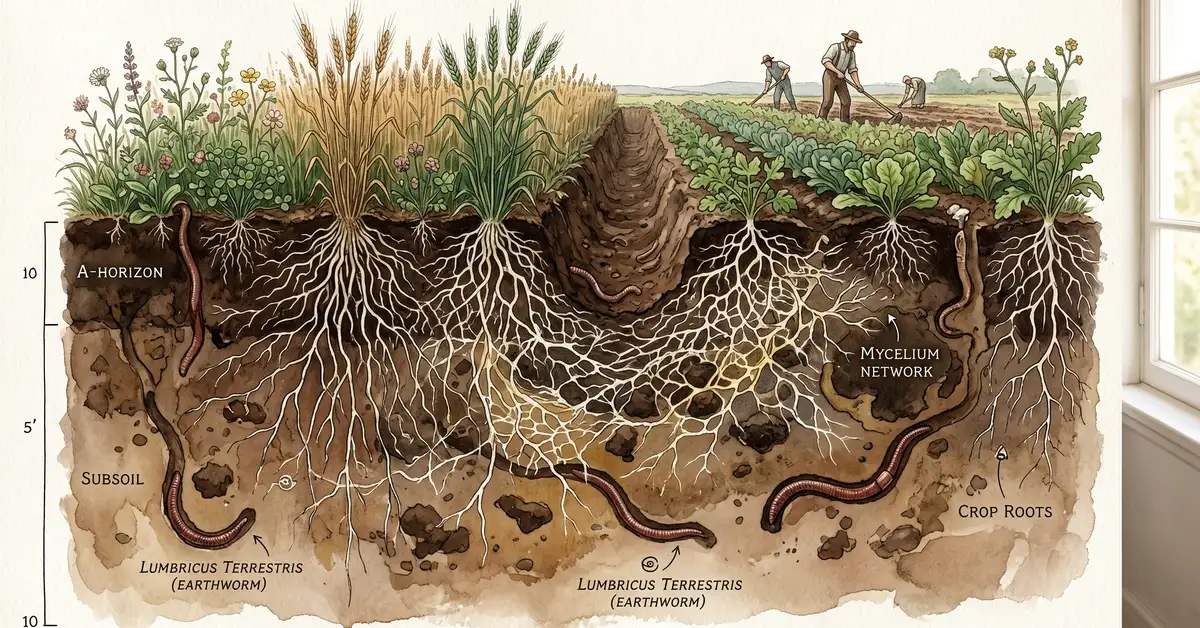
The food on our plates depends on biodiversity at every stage of production — from the pollinators that fertilise crops to the soil microorganisms that cycle nutrients to plant roots. When these systems degrade, the nutritional quality of food declines along with the quantity.
Approximately 75 per cent of all crop diversity was lost between 1900 and 2000, as agriculture consolidated around a handful of high-yielding commercial varieties selected for productivity rather than nutrition. Half of all calories consumed globally now come from just three crops — wheat, rice, and maize — grown in only a handful of locations. This extreme concentration makes food systems vulnerable to disease, climate disruption, and geopolitical instability.
Soil degradation compounds the problem. Over the past 60 years, the nutritional quality of cultivated foods has declined measurably: copper levels in some vegetables dropped by 76 per cent, and zinc availability fell by 59 per cent between the late 1970s and early 1990s. The soil microbiome — the vast community of bacteria, fungi, and other organisms that drive nutrient cycling — has been degraded by intensive tilling, monoculture cultivation, and excessive chemical inputs. These losses translate directly into less nutritious food reaching human diets.
Antimicrobial resistance adds another dimension to the food-health connection. In the UK, 50 per cent of antibiotics are used in agriculture, a proportion predicted to increase by 67 per cent between 2010 and 2030. The UK government has identified antimicrobial resistance as one of the biggest threats to global health, and biodiversity offers part of the solution: many natural compounds showing antimicrobial properties remain undiscovered in unexplored ecosystems.
The UK Response: Connecting Nature Recovery to Health Policy
The United Kingdom is at the forefront of integrating biodiversity into health policy, though significant gaps remain between ambition and delivery. The 2025 Nature Security Assessment formally recognised ecosystem collapse as a threat to UK national security, establishing that every critical ecosystem — from the Amazon to South East Asian coral reefs — is on a pathway to collapse, with some potentially beginning to collapse from 2030.
| Policy Mechanism | Health Connection | Status |
|---|---|---|
| Green Social Prescribing | NHS referrals to nature-based mental health activities | Pilots evaluated; rolling into standard services |
| Biodiversity Net Gain | 10% habitat uplift from developments creates local green space | Mandatory from February 2024 |
| Nature Recovery Network | 15-minute walk to green/blue space for all residents | 25 additional NNRs targeted by 2027 |
| NHS Green Plans | Hospital grounds managed for biodiversity and patient recovery | Integrated into NHS net zero commitment |
| Nature Security Assessment | Ecosystem collapse recognised as national security threat | Published 2025 |
Sources: GOV.UK Nature Recovery Network, Green Social Prescribing Evaluation 2024
The conservation agenda and the public health agenda are converging. Rewilding projects across the UK are restoring the habitats that regulate disease, filter water, and clean air. Mandatory biodiversity net gain is creating green infrastructure in and around new developments. And green social prescribing is providing a clinically validated mechanism for converting nature access into measurable health outcomes.
The challenge now is delivery at scale. The government aims to mobilise £500 million in annual private sector finance for nature by 2027, rising to over £1 billion by 2030. Whether these targets translate into the bigger, better, and more connected habitats that the UK needs will determine not just the future of British wildlife, but the resilience of British public health.
Frequently Asked Questions
How does biodiversity loss affect human health?
Biodiversity loss affects human health through multiple interconnected pathways. Roughly 50 per cent of modern medicines derive from natural products, so species extinction shrinks the pharmaceutical pipeline. Degraded ecosystems reduce pollination of nutrient-rich crops, weaken natural water filtration, and diminish air quality. Habitat destruction increases human-wildlife contact, raising the risk of zoonotic disease spillover — approximately 60 per cent of emerging infectious diseases originate in animals.
What percentage of medicines come from nature?
Approximately 50 per cent of approved pharmaceuticals over the past three decades derive directly or indirectly from natural products. The World Health Organisation confirms that around 40 per cent of current pharmaceutical products have a natural product basis, including breakthrough drugs like penicillin, aspirin, paclitaxel, and artemisinin.
What is green social prescribing and does it work?
Green social prescribing is a structured healthcare intervention where clinicians refer patients to nature-based activities such as ecotherapy walks, community gardening, or conservation volunteering. UK government evaluation found that 8,339 participants experienced statistically significant wellbeing improvements. The programme delivered £1.88 return on investment for every £1 spent.
How does habitat destruction increase pandemic risk?
Habitat destruction forces wildlife into closer contact with humans and livestock, creating pathways for viruses to jump between species. Deforestation, the wildlife trade, and intensive farming amplify these risks by concentrating animals in stressful, crowded conditions that increase viral shedding and mutation. Over 30 new human pathogens have been detected in the last three decades, with 75 per cent originating in animals.
Why are pollinators important for human nutrition?
More than 75 per cent of global food crops depend on animal pollinators, with pollinator-dependent crops being primarily nutrient-rich foods such as fruits, vegetables, and oilseeds. In the UK, insect pollinators contribute approximately £1 billion per year to farming. A collapse would reduce access to precisely the foods needed to prevent micronutrient deficiencies and associated chronic diseases.
What is the UK doing to connect biodiversity and health policy?
The UK is integrating biodiversity into health policy through green social prescribing in NHS mental health services, the Nature Recovery Network aiming for 15-minute access to green space, mandatory biodiversity net gain requirements for developments, and the 2025 Nature Security Assessment recognising ecosystem collapse as a national security threat.
Sources: Newman & Cragg, J. Natural Products 2012, WHO Biodiversity Fact Sheet, WHO Zoonotic Diseases, Green Social Prescribing Evaluation 2024, UK Nature Security Assessment 2025, AMR: A UK Perspective, BMJ 2020, Woodland Trust: Benefits of Urban Trees, Natural England People & Nature Survey 2026
green spaces
parks