Key Takeaway
The UK protects over 2,890 priority species through a multi-layered legal framework anchored by the Wildlife and Countryside Act 1981. Yet only 2% of wildlife crime incidents resulted in convictions in 2024, and priority species abundance has fallen to 38% of its 1970 baseline. Legal protection alone is not enough — enforcement, habitat restoration and active conservation must work together.
What Are Protected Species in the UK?
Protected species in the UK are wild animals, birds and plants that receive specific legal safeguards against killing, injury, disturbance or habitat destruction. The Wildlife and Countryside Act 1981 provides the primary framework, organising protected wildlife into schedules that confer different levels of protection. Schedule 1 covers birds requiring special breeding-season protection, Schedule 5 covers protected wild animals, and Schedule 8 covers protected wild plants. These schedules are reviewed every five years through the Joint Nature Conservation Committee's quinquennial review process, with the most recent (7th) review completed in 2023–2024.
Beyond the Wildlife and Countryside Act, the Conservation of Habitats and Species Regulations 2017 implements the European Habitats Directive across the UK, establishing European Protected Species (EPS) status for animals and plants of significant conservation concern. Together, these laws protect over 2,890 priority species across England, Scotland, Wales and Northern Ireland — from all 18 UK bat species to the great crested newt, red squirrel, otter, water vole and 186 protected plant species.
2,890+
Priority Species
Protected across four UK nations
38%
Of 1970 Baseline
Priority species abundance by 2023
2%
Conviction Rate
Wildlife crime prosecutions in 2024
35%
Favourable Status
Habitats Directive species in 2019
Sources: JNCC Priority Species Distribution 2025, JNCC Priority Species Abundance 2025, Wildlife and Countryside Link 2025
Which Laws Protect Wildlife in the UK?
UK wildlife protection operates through multiple overlapping statutes, each addressing different aspects of species conservation. The Wildlife and Countryside Act 1981 remains the cornerstone, consolidating earlier legislation to implement the Bern Convention and EU Birds Directive. This Act has been substantially amended through the Countryside and Rights of Way Act 2000 in England and Wales, and through the Nature Conservation (Scotland) Act 2004 in Scotland.
The Conservation of Habitats and Species Regulations 2017 consolidates the regulatory framework for European Protected Species, making it a criminal offence to deliberately capture, injure, disturb or kill any wild animal of a European protected species. Penalties upon summary conviction include up to six months' imprisonment, an unlimited fine, or both. Where offences involve multiple specimens, each may be treated as a separate offence for sentencing purposes.
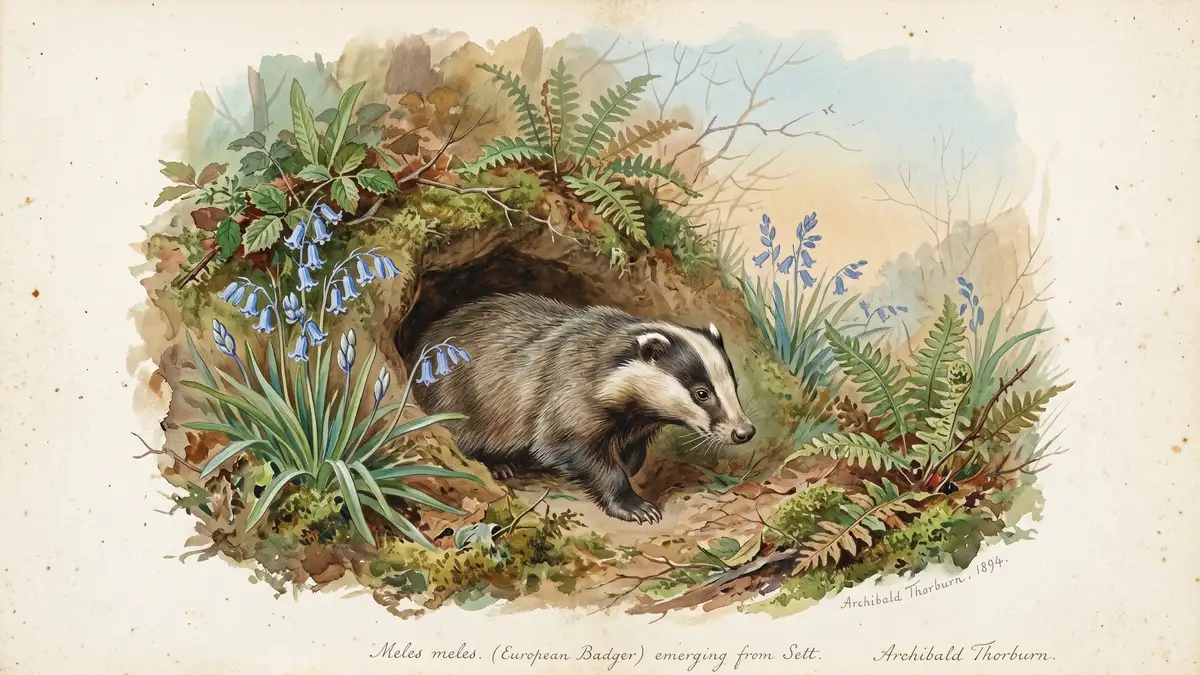
The Protection of Badgers Act 1992 provides supplementary protections specifically for badgers, creating criminal offences for killing, injuring or taking badgers, digging for badgers, and intentionally destroying or disturbing setts. Recent proposed amendments have raised concerns among conservation organisations that modifications could weaken existing sett protections.
| Legislation | Scope | Key Protections | Penalties |
|---|---|---|---|
| Wildlife and Countryside Act 1981 | Great Britain | Schedules 1, 5, 8 — birds, animals, plants | Up to 6 months' imprisonment, unlimited fine |
| Habitats Regulations 2017 | United Kingdom | European Protected Species — strict protection | Up to 6 months' imprisonment, unlimited fine |
| Protection of Badgers Act 1992 | England and Wales | Sett protection, anti-persecution | Imprisonment, unlimited fine |
| Nature Conservation (Scotland) Act 2004 | Scotland | Scottish Biodiversity List, biodiversity duty | Variable by offence |
| Environment (Wales) Act 2016 | Wales | Section 7 list — 1,322 priority species | Public duty, not direct criminal sanctions |
Sources: JNCC Wildlife and Countryside Act 1981, Conservation of Habitats and Species Regulations 2017
Which Animals Are Protected in the UK?
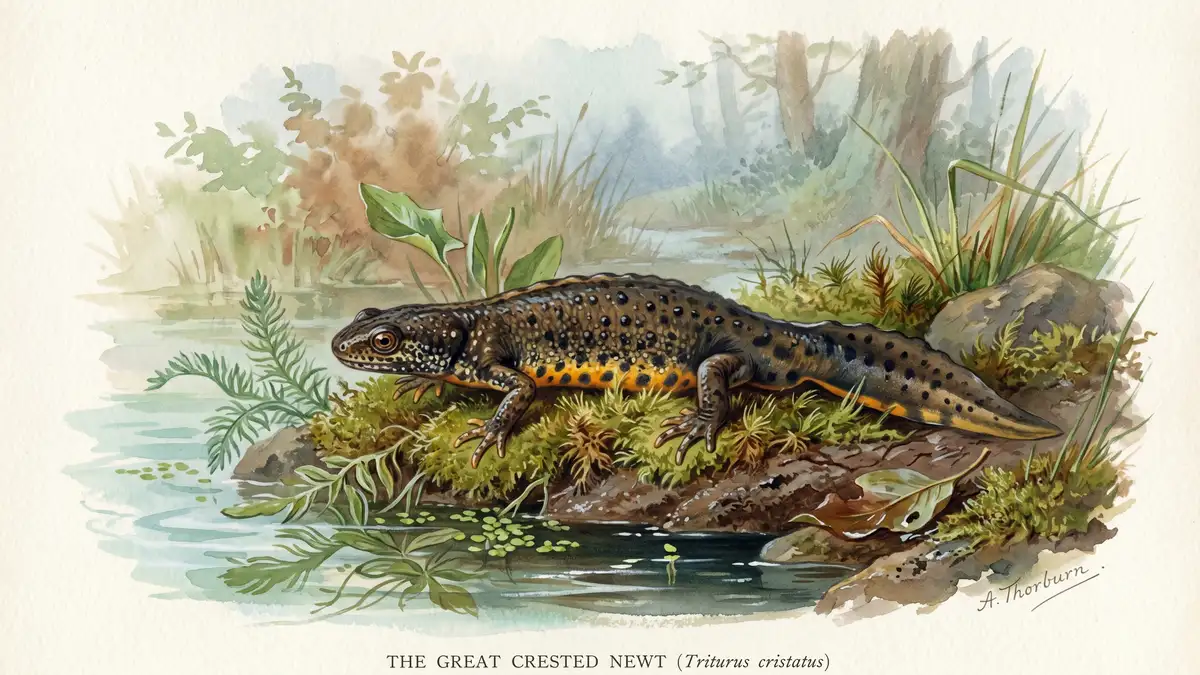
Schedule 5 of the Wildlife and Countryside Act 1981 protects a wide range of wild animals from persecution, making it a criminal offence to intentionally kill, injure or take listed species, or to damage their shelters and breeding sites. Protected mammals include all 18 UK bat species, badgers, hazel dormice, otters, water voles, red squirrels and pine martens. Protected reptiles include adders, smooth snakes and sand lizards, whilst protected amphibians include great crested newts and natterjack toads.
All UK bat species receive universal protection under both Schedule 5 and the Habitats Regulations. Population monitoring through the National Bat Monitoring Programme shows mixed trends — serotine populations increased by 15.5% between 2018 and 2023, and Natterer's bat showed a long-term increase of 42.1% between 2002 and 2023, whilst Daubenton's bat showed a slight recent decline of 0.7%.
The water vole represents one of the most dramatically declining British mammals, now classified as Endangered on the Red List. Water voles currently occupy only 615 of the 10,163 kilometre grid squares in England where suitable habitat exists. According to Natural England, achieving Favourable Conservation Status would require establishing at least 184,000 kilometres of healthy riverbank habitat — an ecological restoration challenge of unprecedented scale.
How Are UK Birds Protected by Law?
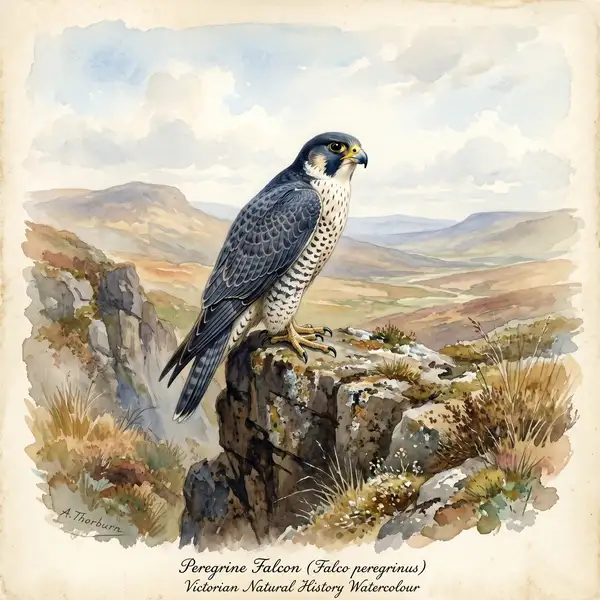
Schedule 1 of the Wildlife and Countryside Act 1981 designates wild bird species requiring special protection during the breeding season. A specific licence or permit becomes legally mandatory before any person may approach an active nest or an adult with dependent young for any Schedule 1 species. Protected birds include iconic raptors such as the peregrine falcon, golden eagle and white-tailed eagle, alongside barn owls, stone-curlews and lesser spotted woodpeckers.
In March 2026, the UK, Scottish and Welsh governments jointly proposed substantial amendments to bird protection schedules. Six threatened species face strengthened protections, including the woodcock, pintail, goldeneye, pochard and European white-fronted goose — some with native populations now numbering in the hundreds. The proposals include full prohibition of recreational shooting for certain species and extended close seasons for others.
Farmland bird populations in England demonstrate particularly acute declines, with the farmland bird indicator falling 13% between 2019 and 2024 alone, on top of decades of longer-term decline. Iconic species such as turtle doves, yellowhammers and lapwings continue to lose ground, reflecting the impact of agricultural intensification on ground-nesting and seed-eating species.
Explore our guide to UK endangered species to see which native wildlife faces the greatest threats.
Discover UK Endangered SpeciesWhat Plants Are Protected in the UK?
Schedule 8 of the Wildlife and Countryside Act 1981 protects 186 plant species from unauthorised picking, uprooting or destruction. These include predominantly flowering plants, mosses, liverworts and selected fungi, lichens and algae. Of the approximately 4,800 flowering plants occurring in the UK, only 113 receive special legal protection, reflecting the extreme vulnerability of designated species to collection and habitat loss.
Notable protected plants include the native bluebell, which receives special listing making commercial gathering illegal without licensing from the appropriate statutory body. The lady's slipper orchid (Cypripedium calceolus) and killarney fern (Trichomanes speciosum) also receive Schedule 8 protection. Penalties for plant offences can reach £5,000 fines and six months' imprisonment per offence.
Beyond Schedule 8, an additional 250 species of lower plants and fungi, plus 152 higher plant species, receive protection through planning policy as Species of Principal Importance under the Natural Environment and Rural Communities Act 2006. This requires planning systems to incorporate species protection considerations into development decisions, linking plant conservation directly to the land-use planning process.
How Does Wildlife Crime Enforcement Work?
Despite substantial maximum penalties, wildlife crime enforcement in the UK remains alarmingly inadequate. In 2024, nearly 2,000 wildlife crime incidents were reported, yet only 43 convictions were secured (excluding fisheries offences) — a mere 2% conviction rate that represents a record low. This enforcement deficit directly undermines the legal protections that exist on paper.
Critically, over 80% of wildlife crime offenders demonstrate concurrent involvement in other serious criminal activity, suggesting that wildlife crime commonly intersects with broader criminality including organised crime and drug trafficking. This pattern indicates that effective wildlife enforcement could generate collateral public safety benefits beyond species conservation alone.
The Enforcement Gap
Common assumption: Protected species are safe because harming them is illegal and carries serious penalties including imprisonment and unlimited fines.
The reality: With only a 2% conviction rate and limited investigative resources, legal protections create de facto immunity for widespread species persecution including badger baiting, raptor poisoning and hare coursing. Wildlife and Countryside Link has proposed that wildlife crimes become designated as "notifiable" offences to improve police prioritisation.
Border Force operations in 2024–2025 seized over 250 endangered species and illegal wildlife products during a single month-long international crackdown, representing a 73% increase on previous year seizures. Live snakes, tarantulas and lovebirds were discovered crammed into vehicles at UK borders — species protected under the Convention on International Trade in Endangered Species (CITES).
What Are the Survey Requirements for Protected Species?
Developers undertaking construction near habitats that may support protected species face legally mandated requirements to conduct ecological surveys before work can begin. For great crested newts (a European Protected Species), surveys must assess habitats within 250–500 metres of development sites. Initial assessment typically uses Habitat Suitability Index (HSI) evaluation, scoring ponds based on physical features including size, water quality, shading and presence of fish.
Where HSI scores indicate suitability, presence/absence surveys become mandatory during the active season (mid-March to mid-June). Methods include torching, bottle trapping, hand netting, egg searching and environmental DNA (eDNA) sampling. If surveys confirm great crested newt presence and development will create negative impacts, developers must obtain a European Protected Species Mitigation Licence (EPSML) from Natural England.
Preliminary Ecological Appraisal
Ecological surveyors evaluate site features, habitat types and connectivity to surrounding landscape. This screening assessment determines whether detailed species surveys are needed.
Species-Specific Surveys
For bats, a tiered licensing system applies: Level 1 permits basic presence/absence surveys, Level 2 requires handling capability, and Levels 3–4 permit advanced capture methods using mist nets or harp traps.
Mitigation Licensing
If protected species are confirmed and development will cause harm, developers must obtain an EPSML. Some areas operate District Level Licence schemes as pooled alternatives to individual permits.
Monitoring and Compliance
Surveyors must maintain detailed records including dates, locations, grid references, methods, species encountered and any accidental injuries, retained for 24 months beyond licence expiry.
Which Species Have Made Successful Comebacks?
Despite the overall decline in UK biodiversity, several species demonstrate that legal protection combined with active conservation can reverse historical extinctions. Red kites represent one of Britain's greatest success stories — reduced to fewer than 10 pairs in Wales by the early 20th century, their population has soared to an estimated 10,000 individuals following sustained reintroduction programmes beginning in the 1980s.
Eurasian beavers, hunted to near extinction 400 years ago, have been successfully reintroduced to Scotland beginning in 2009 and subsequently to sites across England. Beaver populations now thrive in parts of Northumberland, Kent, the Cairngorms and even London — the first time beavers have inhabited the capital in four centuries. The UK Government confirmed in 2024 that it would permit licensed beaver releases whilst formally recognising free-living populations.
Red Kite Recovery
From fewer than 10 pairs to an estimated 10,000 birds across Britain following four decades of reintroduction effort, legal protection and public education campaigns.
Large Blue Butterfly
Declared extinct in the UK in 1979, the large blue has made a remarkable comeback through careful habitat management by Somerset Wildlife Trust and dedicated conservation organisations.
Pine martens, once hunted nearly to extinction through 19th-century fur trade and gamekeeper persecution, have recovered under Wildlife and Countryside Act protection with populations expanding through Scotland and into northern and south-west England. Their recovery brings an ecological bonus — pine martens suppress invasive grey squirrels, indirectly aiding red squirrel population recovery. Scotland's wildcat restoration programme has also been hailed as a success, establishing foundation populations of Britain's last native wild feline through captive breeding and Highland releases.
How Do Protected Species Laws Differ Across the UK Nations?
Wildlife protection operates under distinct legislative frameworks across the four UK nations, creating material differences in species status, licensing procedures and enforcement approaches. England and Wales share the Wildlife and Countryside Act 1981 (amended by the Countryside and Rights of Way Act 2000), whilst Scotland operates under the additional Nature Conservation (Scotland) Act 2004, and Northern Ireland functions under the Wildlife (Northern Ireland) Order 1985.
Scotland's approach integrates biodiversity duty requirements on public bodies to further conservation of species on the Scottish Biodiversity List, extending conservation obligations beyond enforcement to proactive species recovery. Wales has expanded its priority species list to 1,322 species under the Environment (Wales) Act 2016, up from 557 on the previous interim list. Northern Ireland's Habitats Regulations reporting indicates that the vast majority of habitats remain in "Unfavourable-Bad" conservation status.
The UK government formally recognised biodiversity loss as a national security threat in 2025–2026 assessments, establishing that ecosystem degradation creates existential risks to food security, resource stability and geopolitical stability. The assessment identifies realistic possibilities that some ecosystems could begin collapse by 2030 as a result of biodiversity loss alongside climate change and land-use transformation.
How Can You Help Protect UK Wildlife?
Reporting wildlife incidents to the appropriate authorities forms a critical part of species protection. Sick, dead or injured wild birds in Great Britain should be reported through Defra's online reporting system or the Defra helpline (0345 933 5577). Marine animal strandings — dolphins, porpoises, whales, seals and marine turtles — should be reported to the UK Cetacean Strandings Investigation Programme. Suspected wildlife crimes should be reported to local police or the RSPB's confidential Raptor Crime Hotline (0300 999 0101).
Citizen science programmes provide opportunities for direct participation in species monitoring. The British Trust for Ornithology coordinates multiple volunteer bird survey programmes, the Bat Conservation Trust collects passive acoustic data, and iRecord enables wildlife observations to be contributed to national biodiversity databases. These citizen science initiatives generate data at a scale that governmental monitoring alone could not achieve.
Supporting habitat restoration and conservation organisations amplifies the impact of legal protections. The species recovery successes of red kites, beavers and large blue butterflies demonstrate that active conservation — not merely legal prohibition — drives population recovery. Every person who understands which species are protected and why becomes an advocate for stronger enforcement and better habitat management.
Frequently Asked Questions
What happens if you harm a protected species in the UK?
Harming a protected species is a criminal offence under the Wildlife and Countryside Act 1981 or the Conservation of Habitats and Species Regulations 2017. Penalties upon summary conviction include up to six months' imprisonment, an unlimited fine, or both. Where multiple specimens are involved, each may be treated as a separate offence, potentially creating cumulative penalties.
Are all UK bat species protected?
Yes. All 18 UK breeding bat species receive universal legal protection under both Schedule 5 of the Wildlife and Countryside Act 1981 and the Conservation of Habitats and Species Regulations 2017. It is illegal to deliberately capture, injure, disturb or kill any bat, or to damage or destroy their roosts — even if bats are not present at the time.
Do I need a survey before building near wildlife habitats?
If your development is near habitats that may support protected species — particularly ponds (great crested newts), buildings or trees (bats), or riverbanks (otters, water voles) — you may need a Preliminary Ecological Appraisal. If protected species are confirmed, you will need a European Protected Species Mitigation Licence before work can begin.
Is it illegal to pick bluebells in the UK?
Native bluebells are protected under Schedule 8 of the Wildlife and Countryside Act 1981. Picking them for personal use on public land is not specifically prohibited, but commercial gathering is illegal without a licence. Landowners may restrict picking on their property, and uprooting any wild plant without landowner permission is an offence under the Act.
How many priority species are protected in the UK?
Over 2,890 species are designated as priorities across the four UK nations under the NERC Act 2006 (England), Environment Act 2016 (Wales), Scottish Biodiversity List (Scotland) and Northern Ireland priority lists. These encompass mammals, birds, reptiles, amphibians, fish, invertebrates, plants, fungi, lichens and algae. Their combined abundance has declined to 38% of the 1970 baseline.
What should I do if I find an injured protected animal?
Contact the RSPCA (England and Wales), SSPCA (Scotland) or USPCA (Northern Ireland) for rescue assistance. For injured birds, the RSPB provides guidance. For marine animals including dolphins, whales and seals, contact the UK Cetacean Strandings Investigation Programme. Do not attempt to handle bats — contact the Bat Conservation Trust helpline (0345 1300 228) for specialist advice.
Help Us Protect UK Wildlife
Explore our conservation guides, share them with your community, and stay informed about the species that need our protection most. Every person who understands UK wildlife law becomes an advocate for stronger enforcement.
Clwyd Probert
Founder, Pixcellence
Founder of Pixcellence, a conservation and biodiversity resource celebrating wildlife through photography and education. Passionate about making wildlife protection law accessible to everyone.
Sources: JNCC Wildlife and Countryside Act 1981, Conservation of Habitats and Species Regulations 2017, Wildlife and Countryside Link 2025, JNCC Priority Species Abundance 2025, JNCC Status of Threatened Species 2025, GOV.UK Wild Bird Protections 2026, GOV.UK Wildlife Smuggling Crackdown 2025, Natural England Water Vole Recovery 2026, Welsh Government Section 7 List