Key Takeaway Global biodiversity continues to decline in 2026, with 47,000 species now threatened and vertebrate populations 68% lower than in 1970. The UK's priority species index sits at just 38% ...
World Biodiversity Day 2026, celebrated on 22 May, carries the theme "Acting Locally for Global Impact" — a recognition that the conservation actions taken in gardens, parks and neighbourhoods across ...
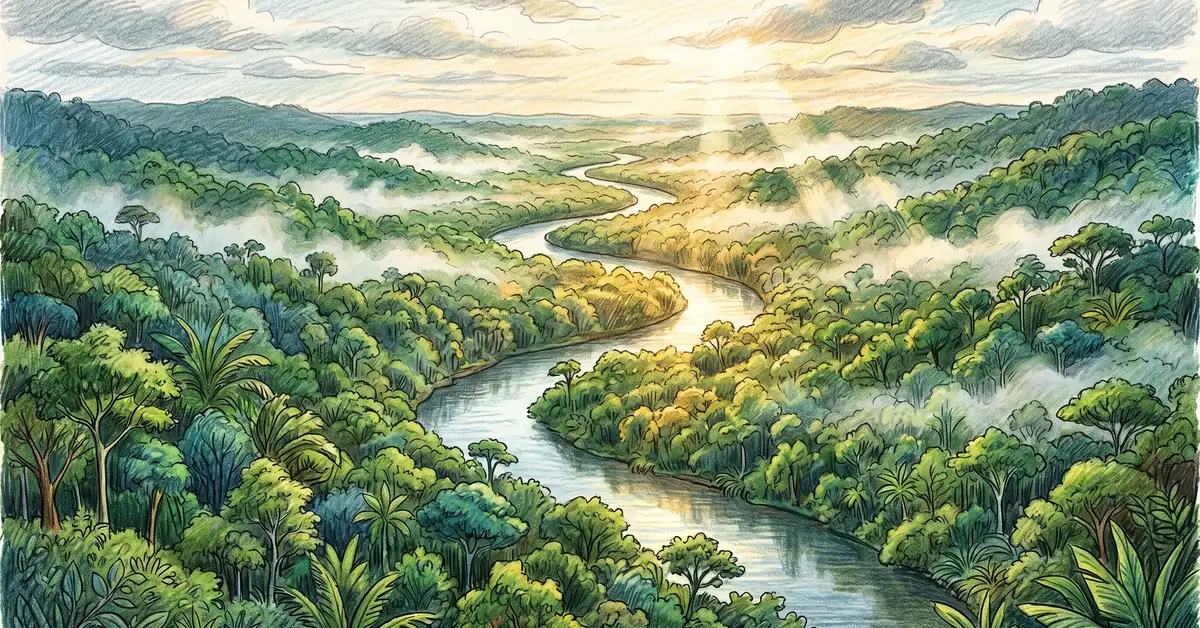
What Does It Take to Stop Deforestation? Stopping deforestation requires coordinated action across government policy, corporate supply chains, community stewardship, and individual consumer choices — ...
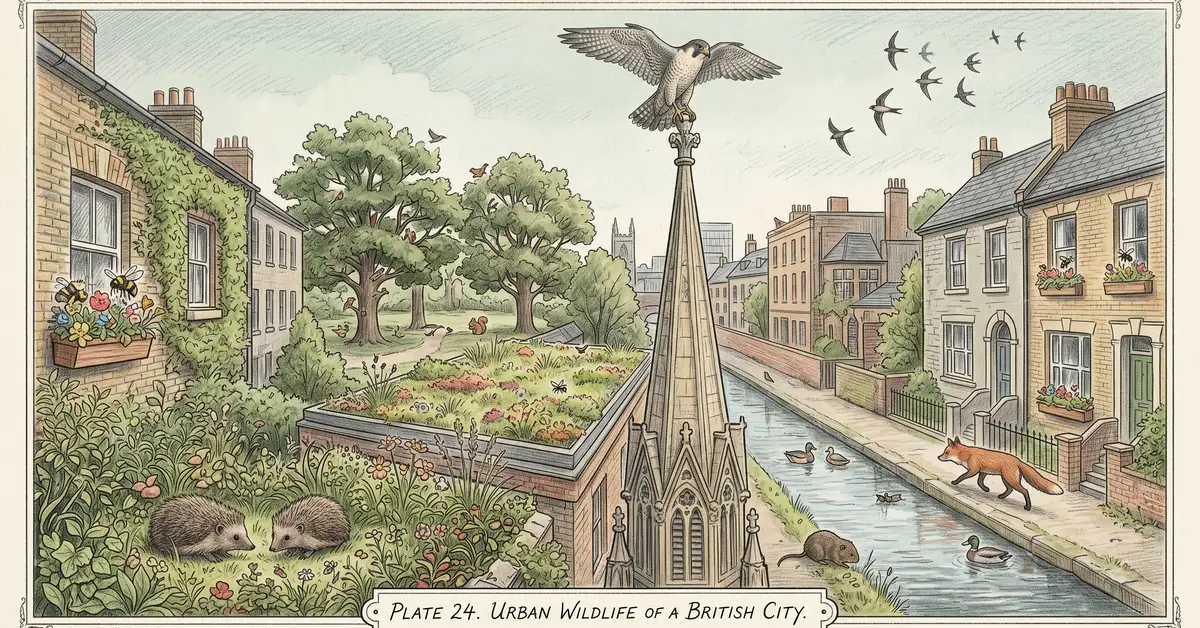
Key Takeaway Cities are not ecological wastelands — they are distinctive ecosystems supporting thousands of species, from peregrine falcons on church spires to hedgehogs in suburban gardens. Yet ...
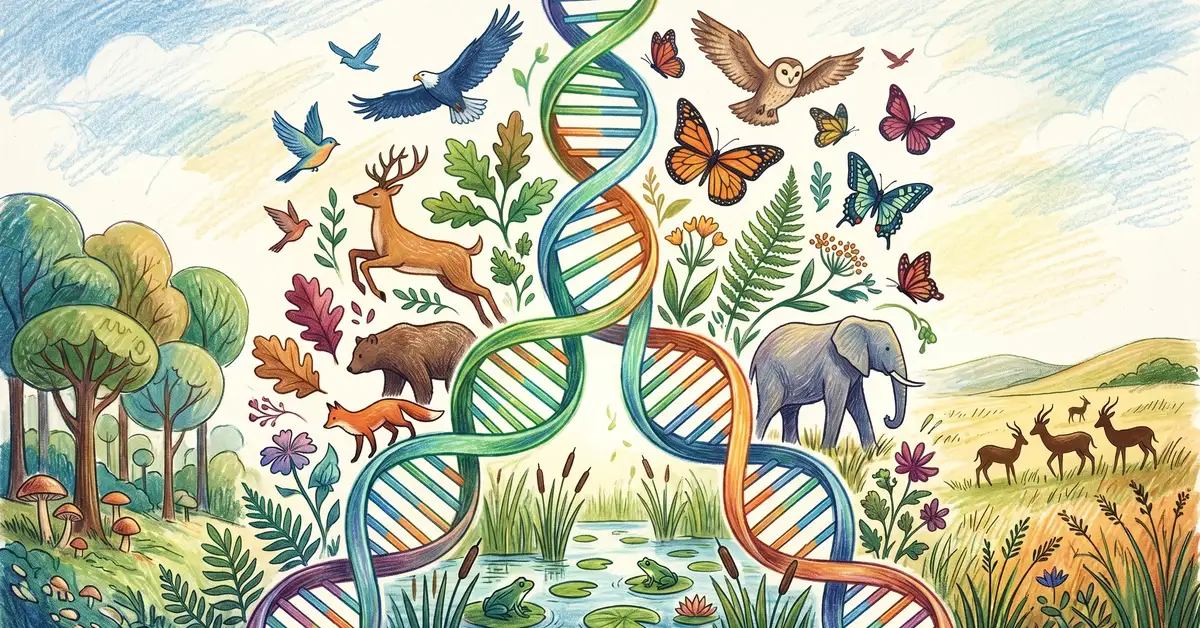
What Does Defining Biodiversity Actually Mean? Defining biodiversity means establishing a precise scientific and legal framework for describing all the variety of life on Earth — from genes within a ...
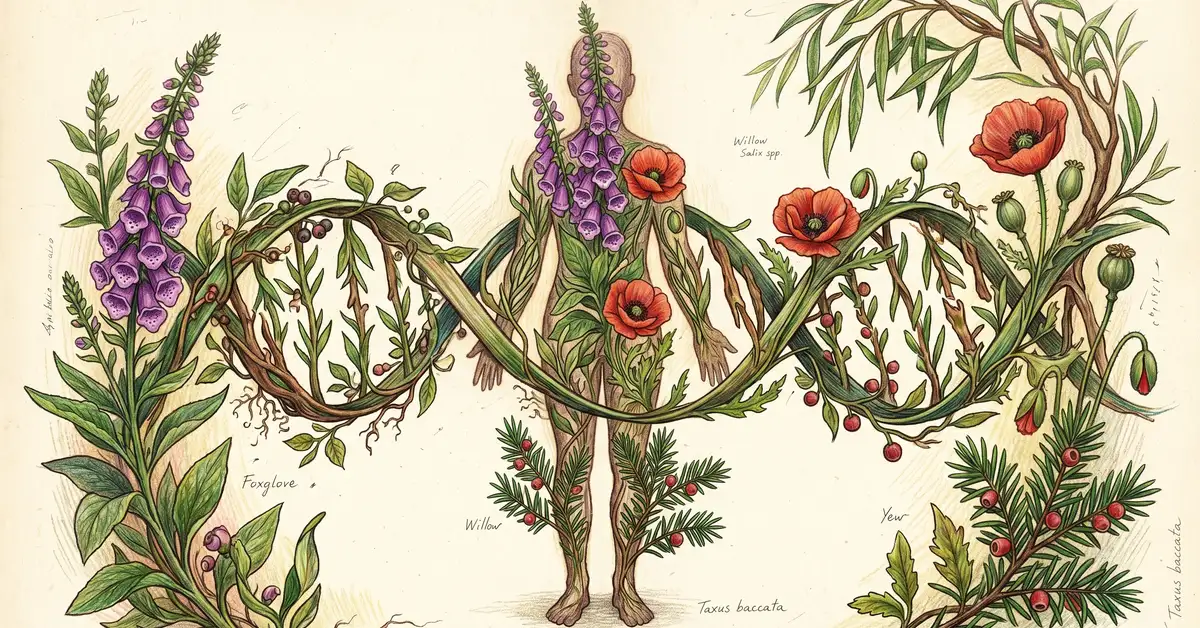
Key Takeaway Biodiversity underpins human health far more directly than most people realise. Roughly 50 per cent of modern medicines originate from natural products, 75 per cent of food crops depend ...
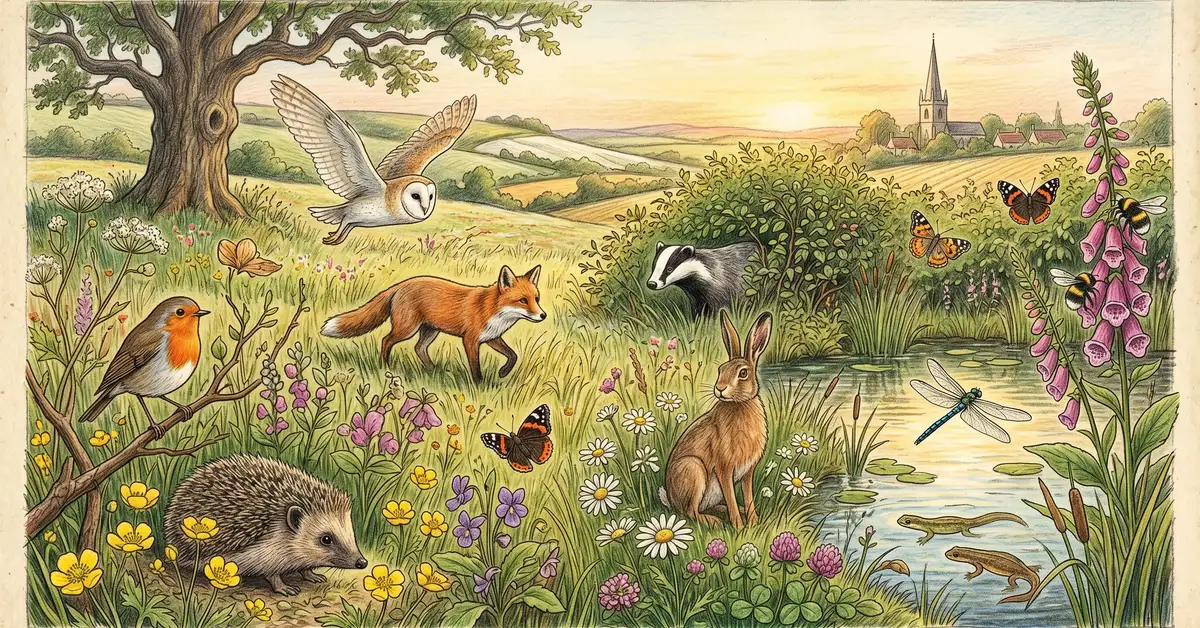
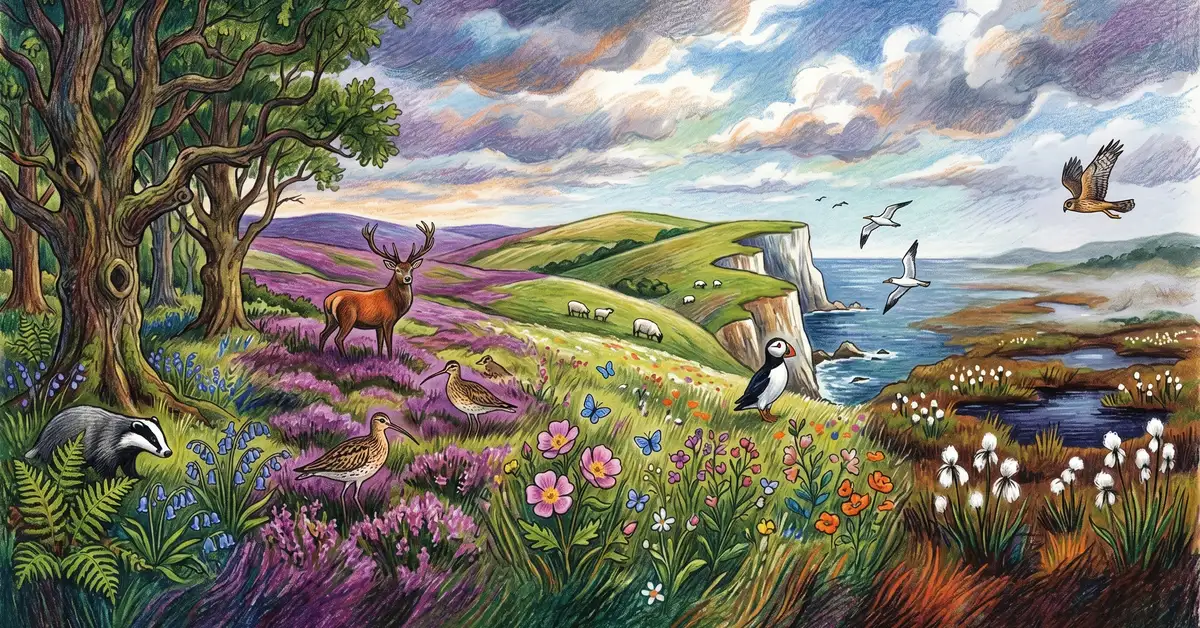
Key Takeaway The UK supports a remarkable diversity of ecosystems — from ancient Caledonian pinewoods and chalk grasslands to globally rare chalk streams and blanket bogs that store over 3.2 billion ...
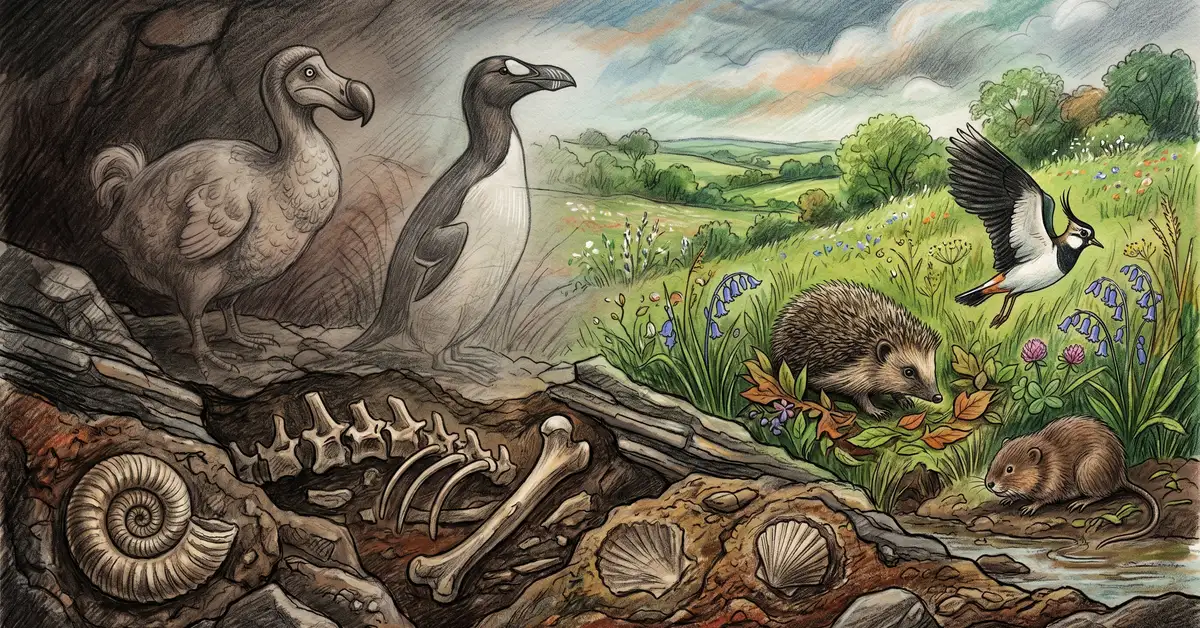
Key Takeaway Species are disappearing 100 to 1,000 times faster than the natural background rate, but whether this qualifies as a "mass extinction" in the traditional sense remains scientifically ...
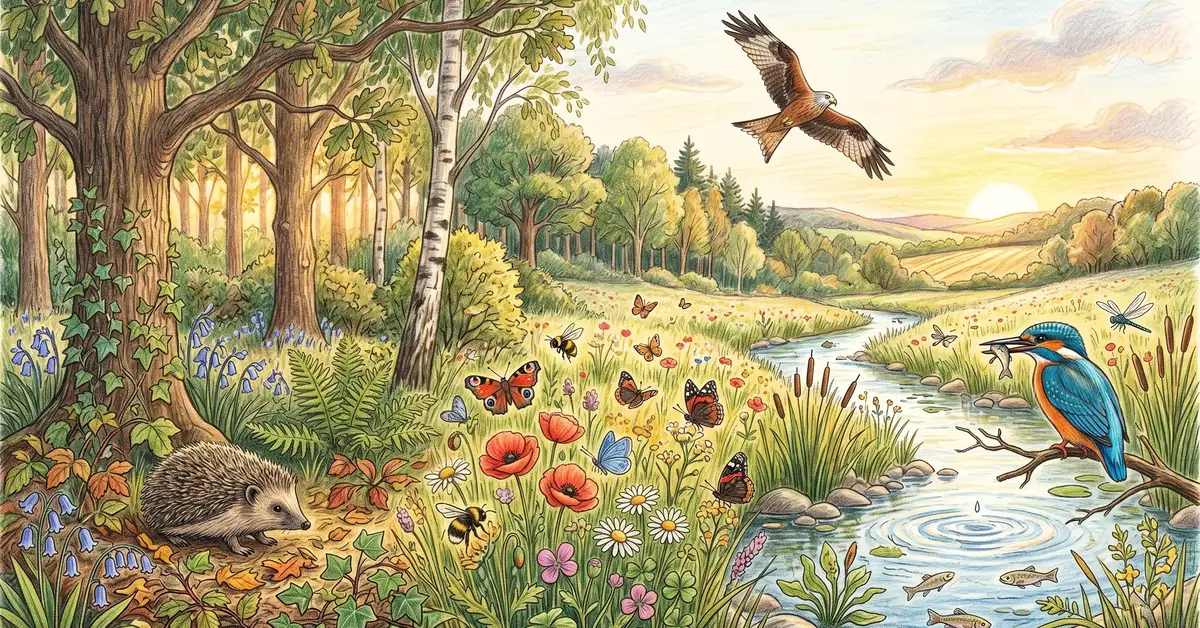
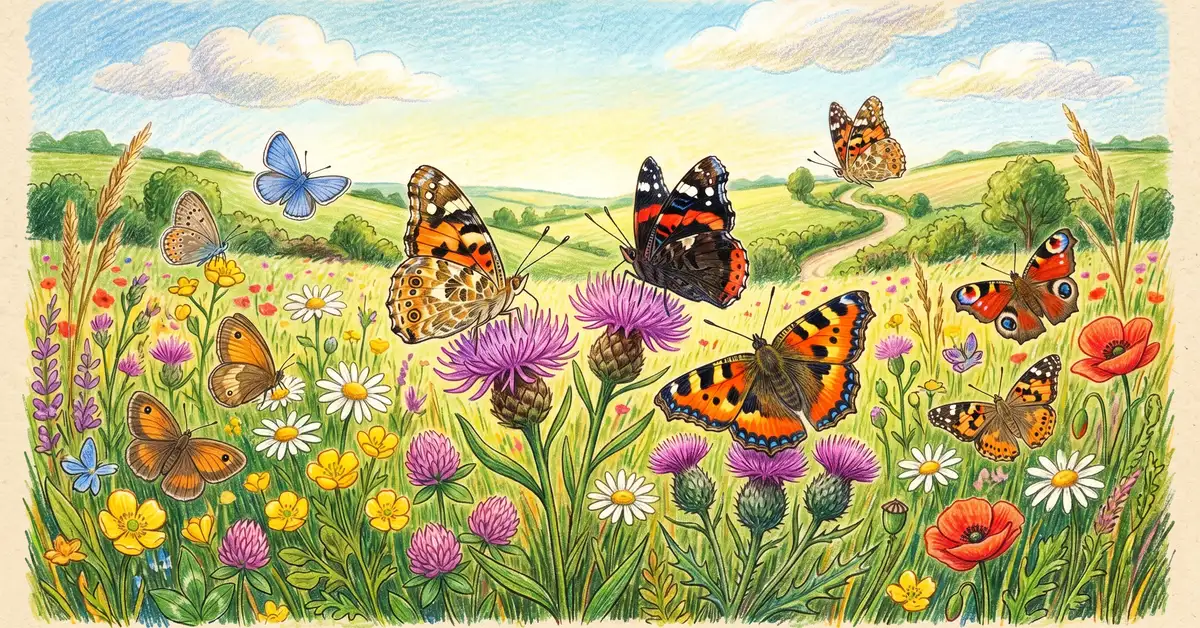
Key Takeaway The UK is home to 59 resident butterfly species, but populations have declined by approximately 50% since 1976. Habitat loss — particularly the destruction of 97% of wildflower meadows ...
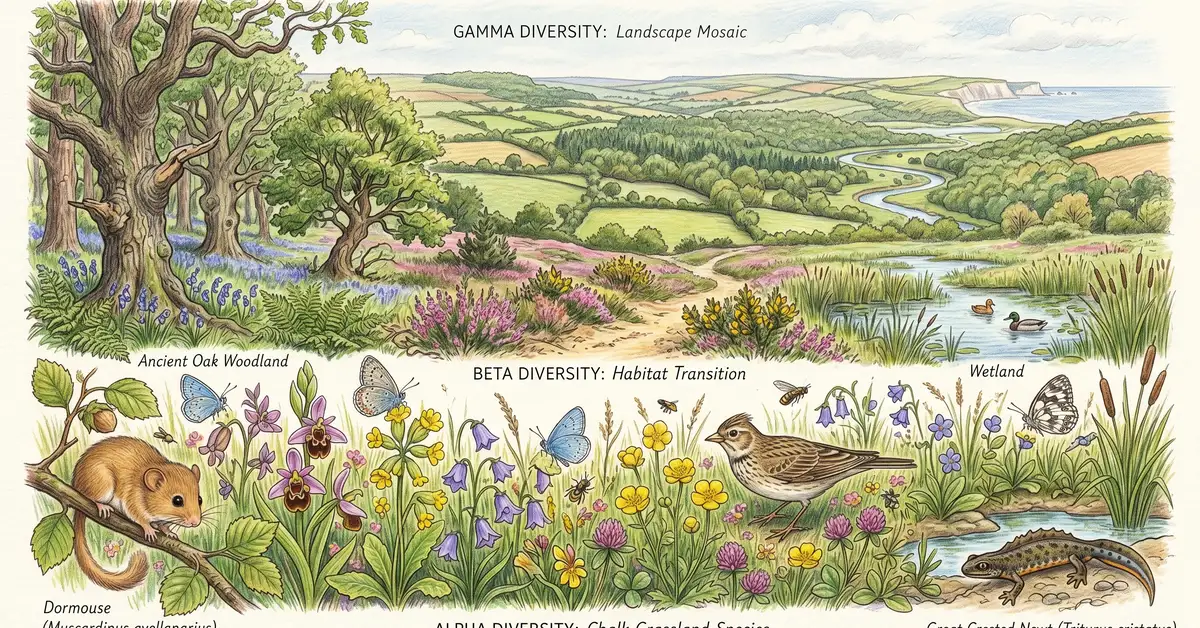
Key Takeaway Biodiversity is not a single number. Ecologists measure it across three spatial scales — alpha (local species richness), beta (species turnover between habitats) and gamma (total ...