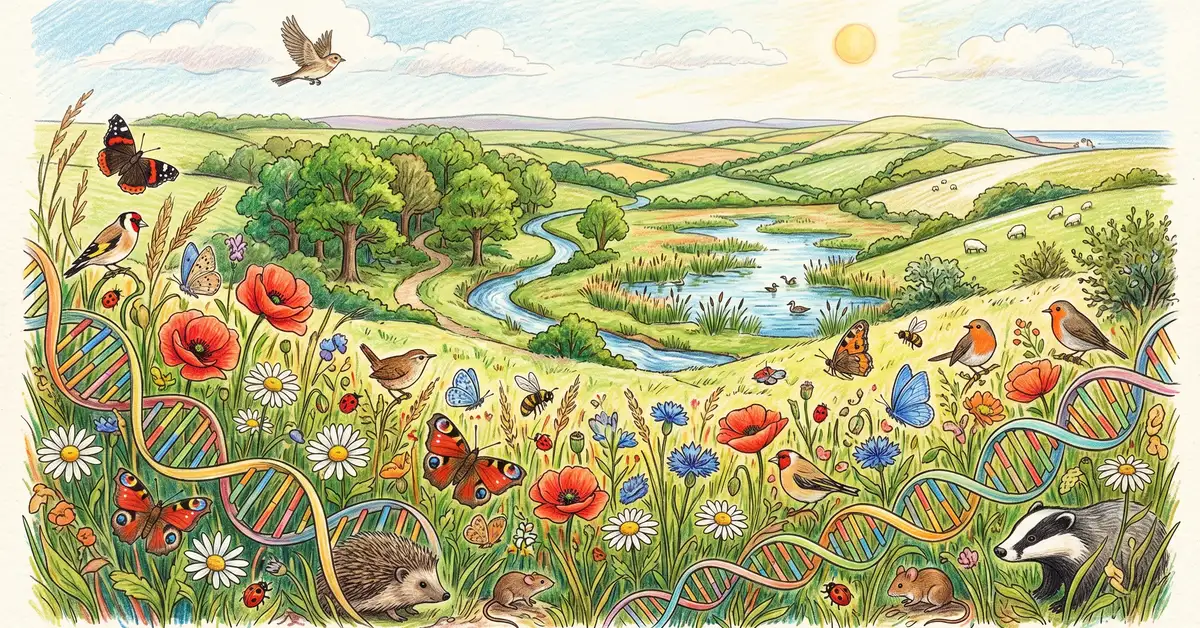
What Are the Main Types of Biodiversity? Biodiversity is classified into three main types: genetic diversity (variation within species), species diversity (the variety of different organisms in an ...
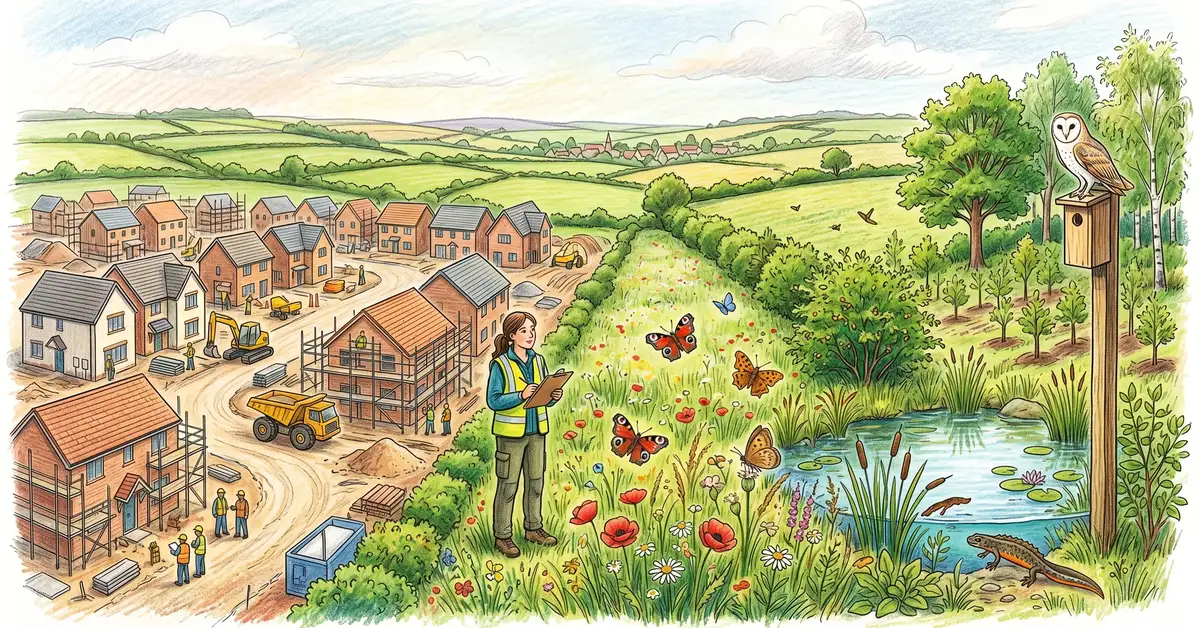
Key Takeaway Every development in England must now deliver a measurable 10 per cent increase in biodiversity using the Statutory Biodiversity Metric. The metric converts habitat area, ecological ...
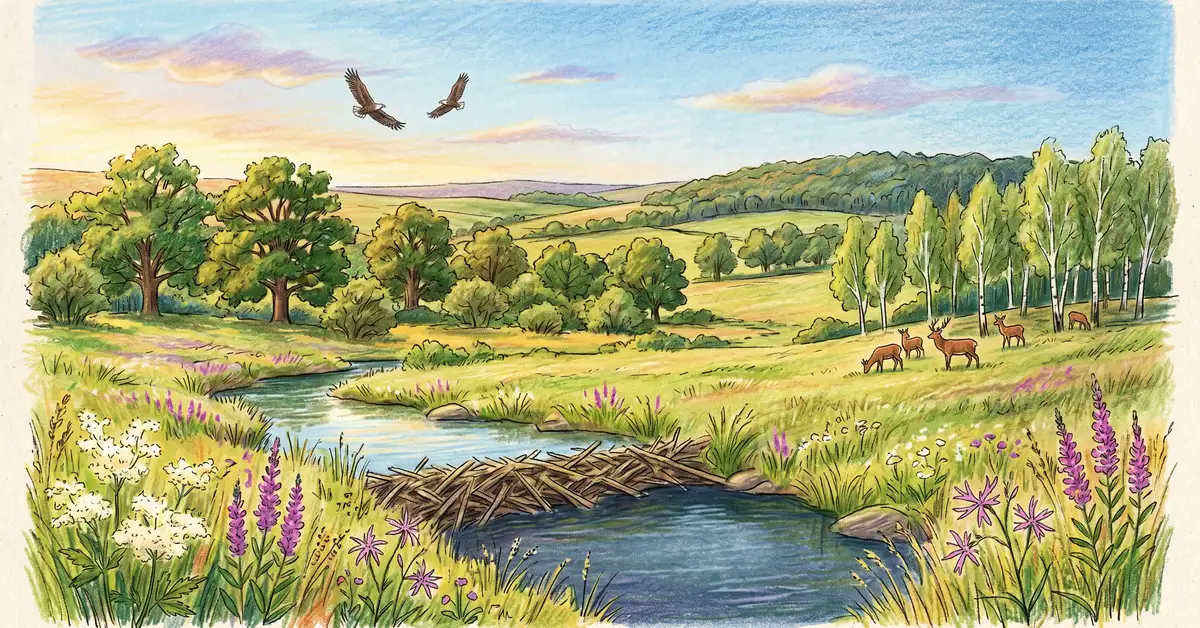
Key Takeaway Rewilding restores self-sustaining ecosystems by allowing natural processes — grazing, predation, flooding and succession — to reshape the landscape with minimal human intervention. The ...
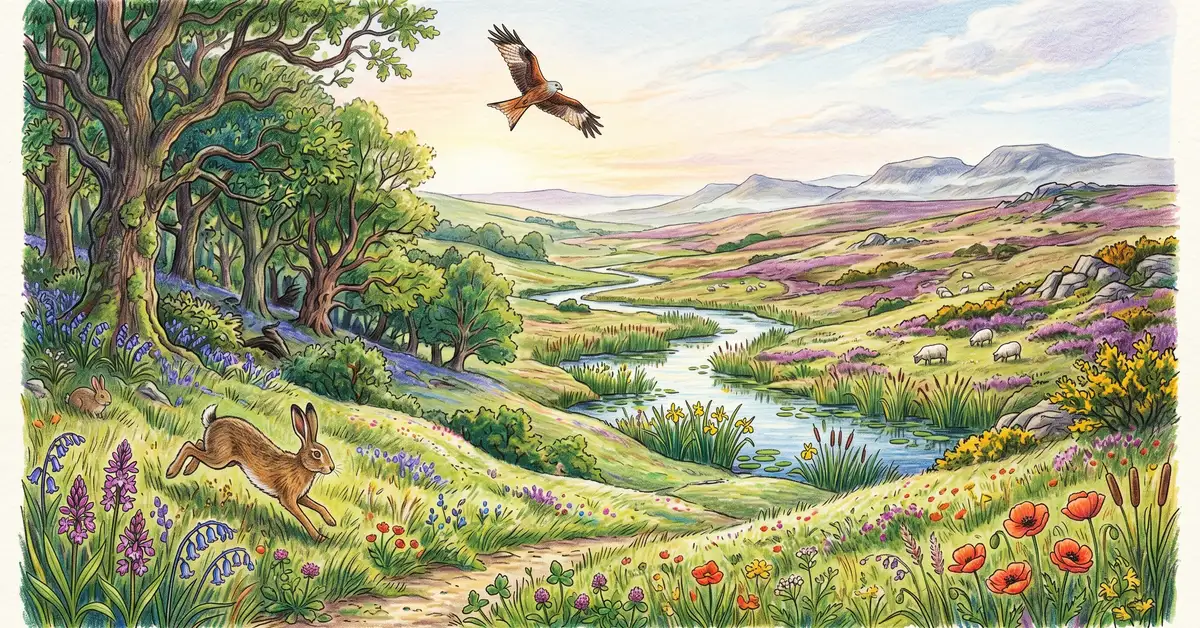
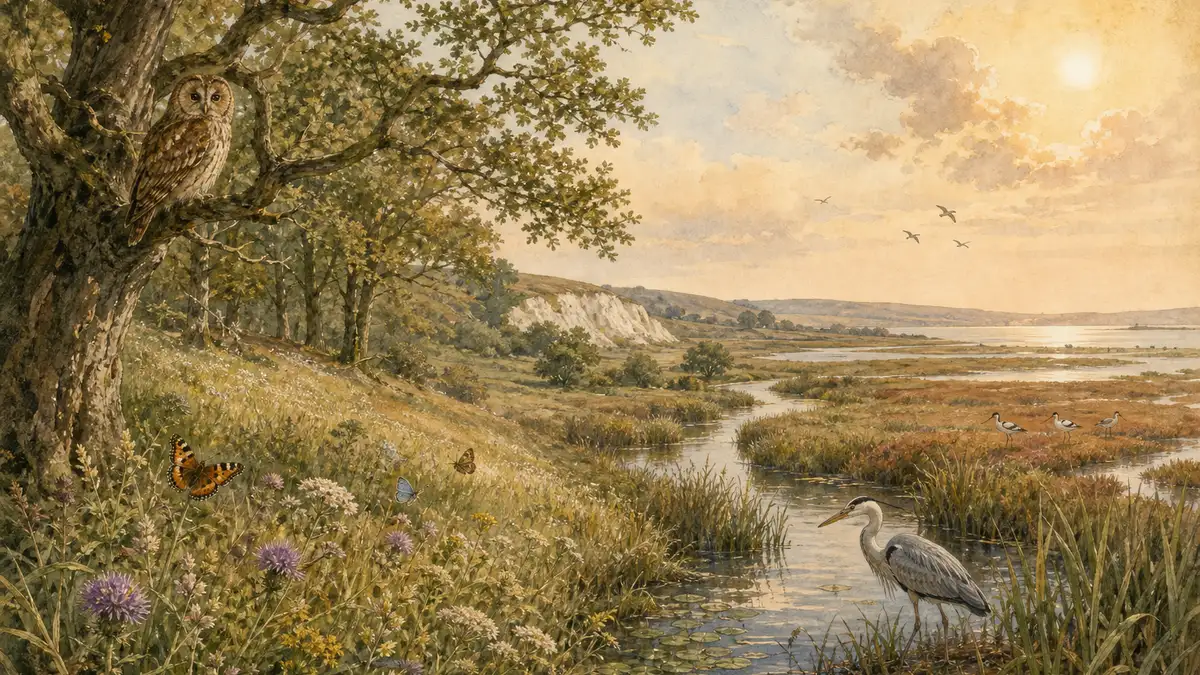
Key Takeaway The United Kingdom supports approximately 55,000 species across its terrestrial and freshwater ecosystems, yet wild bird populations have declined by 19 per cent since 1970 and farmland ...
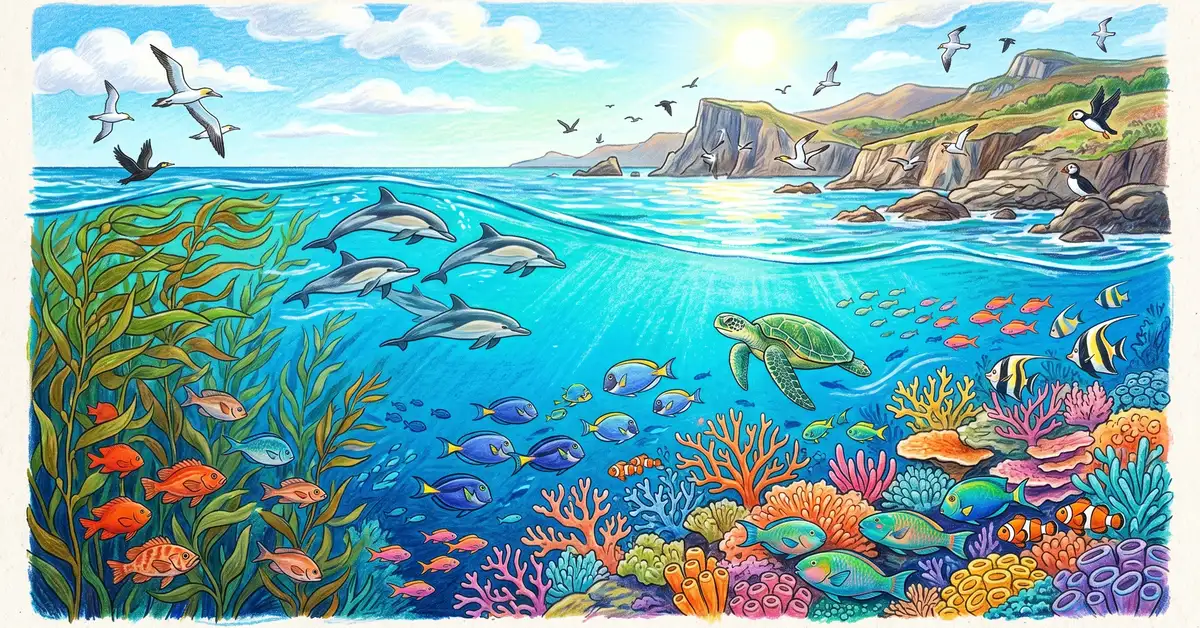
The ocean covers 70 per cent of Earth's surface and sustains the vast majority of planetary biodiversity — yet it faces an unprecedented convergence of threats from climate change, overfishing and ...
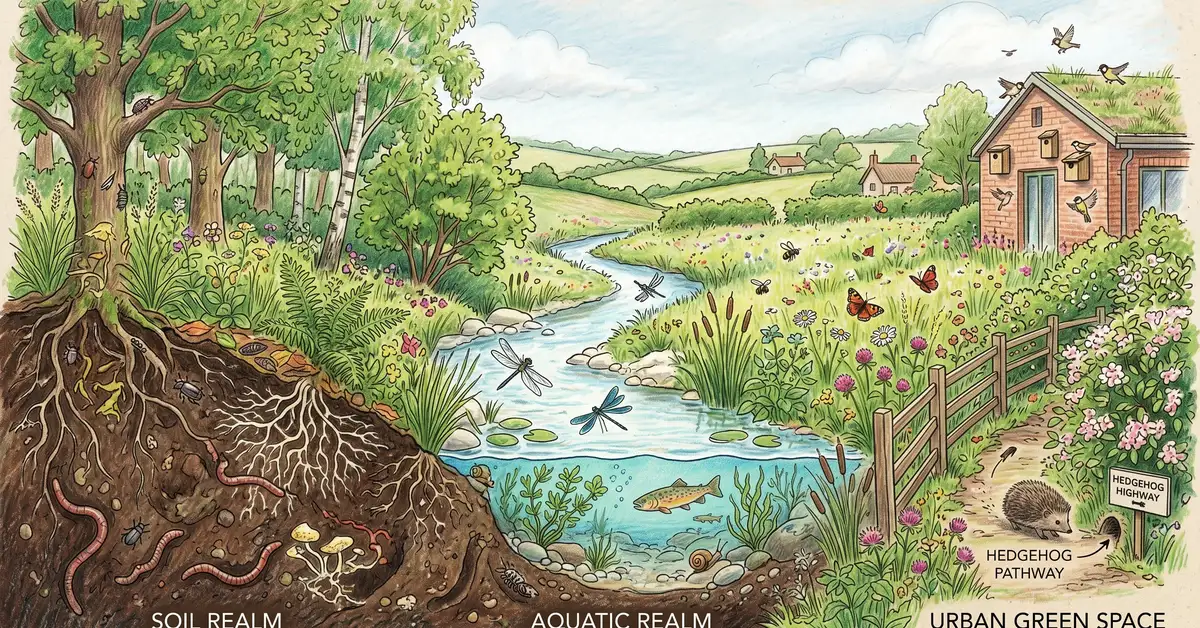
Soil, freshwater and urban ecosystems harbour extraordinary biodiversity that underpins the natural systems we depend on — yet they are among the most overlooked and most threatened habitats on ...
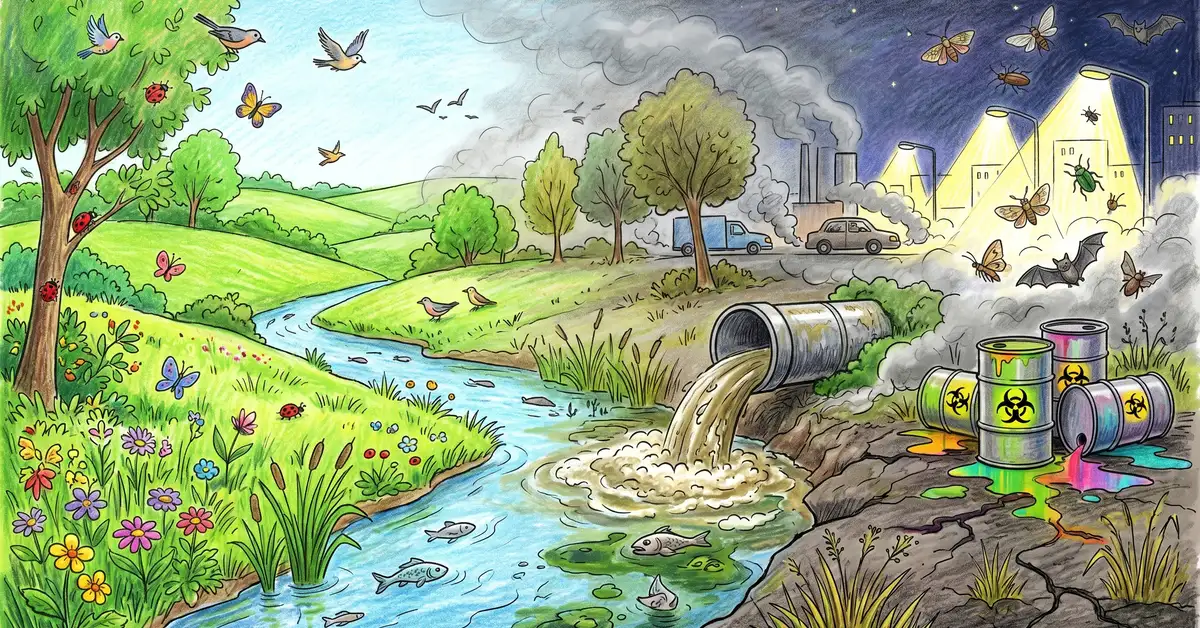
Pollution is one of the five primary drivers of global biodiversity loss, ranking alongside habitat destruction, climate change, overexploitation and invasive species. From nitrogen smothering ...
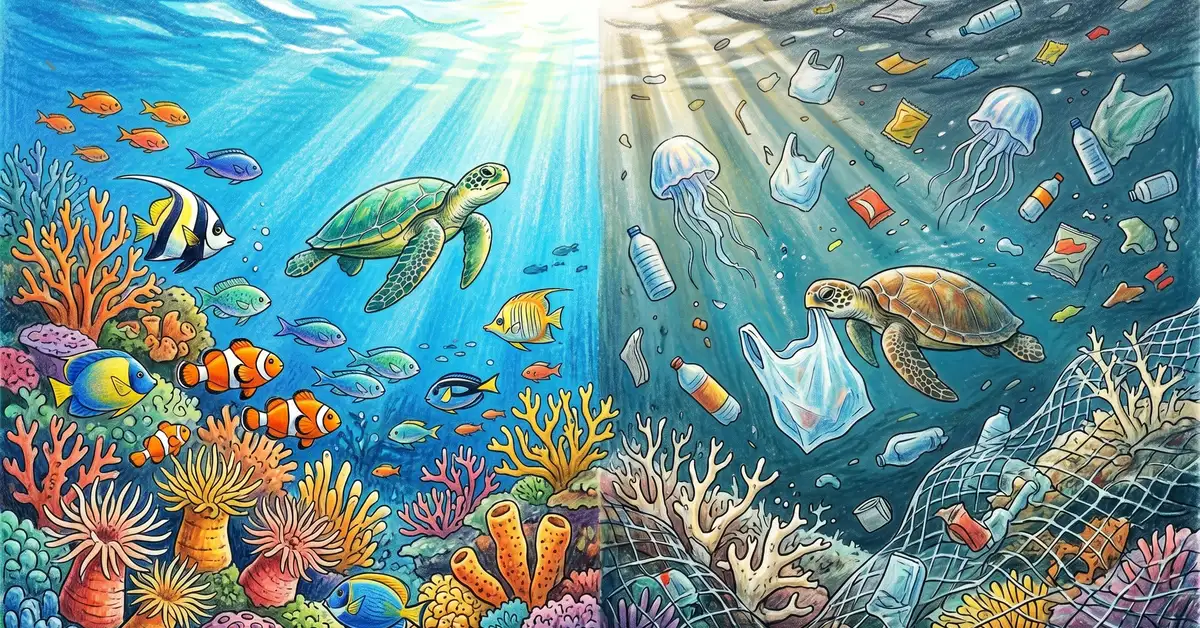
Plastic pollution in the ocean is one of the most visible and destructive environmental crises of our time. Between one and two million tonnes of plastic enter the world's oceans every year, joining ...
An ecosystem is a community of living organisms — plants, animals, fungi, and microorganisms — interacting with each other and their non-living environment as a self-sustaining unit. Examples of ...
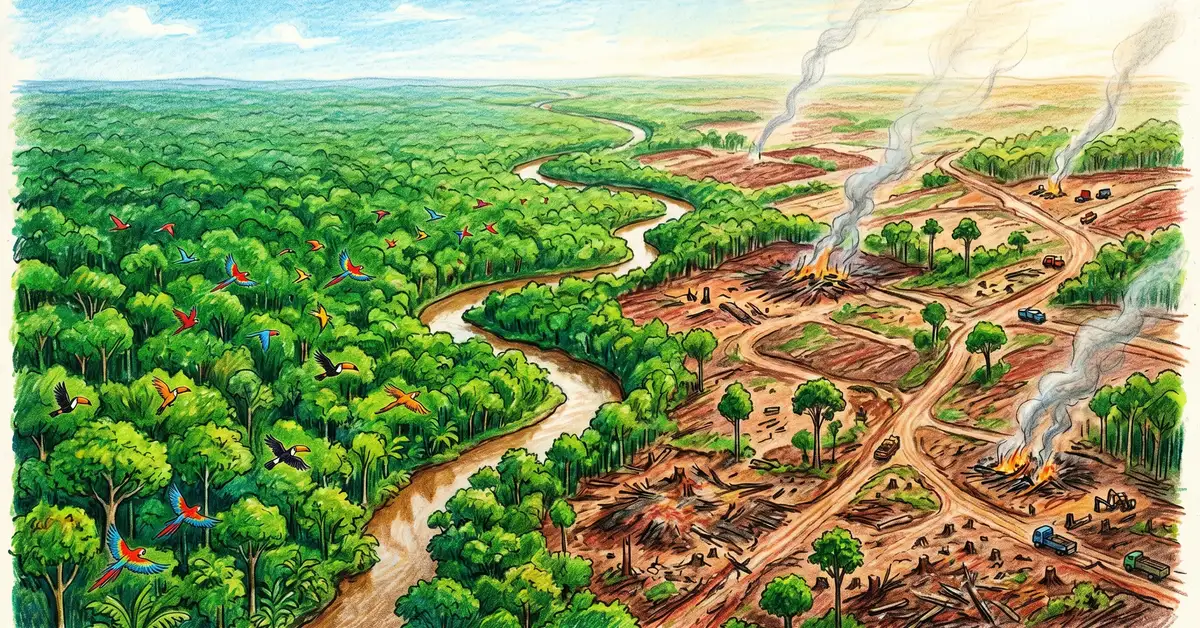
Deforestation — the permanent conversion of forest to other land uses — is the single largest driver of terrestrial biodiversity loss. Tropical rainforests cover just 18 per cent of Earth's land area ...