Key Takeaway
Biodiversity underpins over half of global GDP — approximately USD 44 trillion of economic activity depends on nature's services. In the UK alone, natural capital is valued at £1.6 trillion, delivering £41 billion in ecosystem services annually. From pollination and flood defence to medicines and mental health, biodiversity is not an abstract environmental concern but the foundation of human survival and prosperity.
£1.6tn
UK Natural Capital
Total asset value 2023
$44tn
GDP at Risk
Over half of global GDP
84%
Freshwater Decline
Vertebrate populations since 1970
75%
Crops Depend
On animal pollination
Sources: ONS UK Natural Capital Accounts 2025, World Economic Forum 2025, Living Planet Report 2024, European Parliament 2025
What Is Biodiversity and Why Does It Matter?
Biodiversity — the variety of all living organisms from genes to entire ecosystems — matters because it sustains every natural system that supports human life, including clean air, fresh water, fertile soils and stable climates. The term encompasses three interconnected levels: genetic diversity within species, species diversity within habitats, and ecosystem diversity across landscapes. Each level plays a distinct role in maintaining the resilience and productivity of the natural world.
The scale of humanity's dependence on biodiversity is staggering. The World Economic Forum estimates that over USD 44 trillion of economic value — representing more than half of global gross domestic product — is moderately or highly dependent on nature and its services. This is not a future projection but a present reality: the food we eat, the medicines we use, the water we drink and the air we breathe all depend on functioning ecosystems maintained by diverse communities of organisms.
In the United Kingdom, the Office for National Statistics valued the nation's natural capital at £1.6 trillion in 2023, with annual ecosystem service provision worth £41 billion. Recreation and tourism alone contributed £10 billion, whilst the health benefits of accessing natural environments were valued at £508 billion in asset terms. These figures demonstrate that nature is not simply scenery — it is economic infrastructure of extraordinary importance.
How Does Biodiversity Support Ecosystem Services?
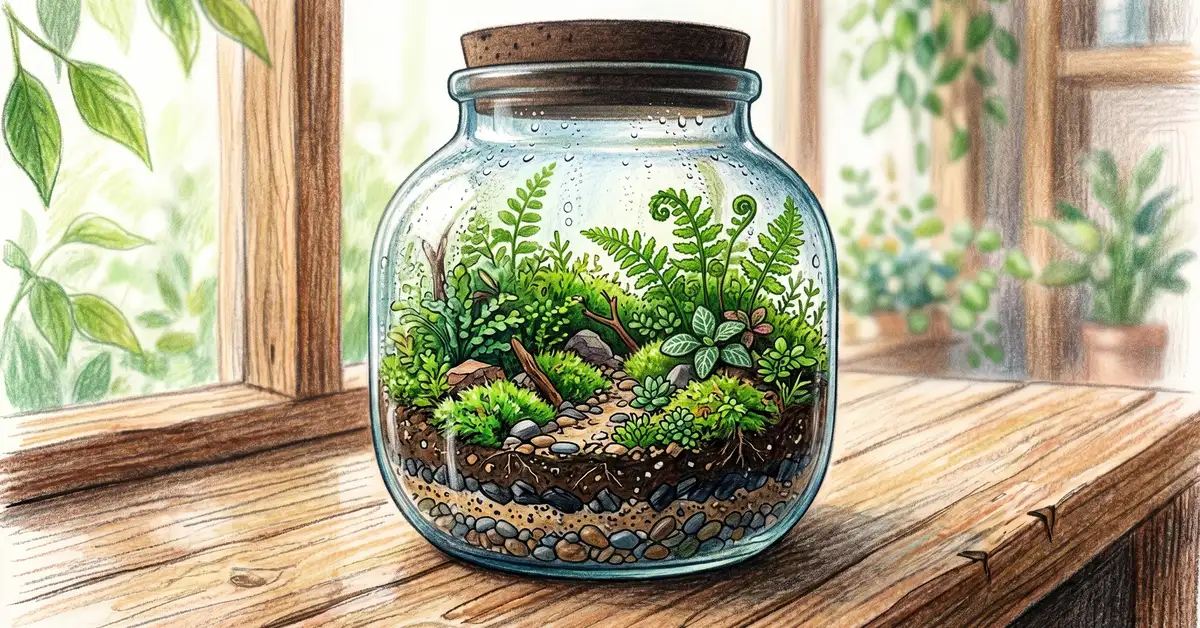
Ecosystem services are the direct and indirect benefits that natural systems provide to human wellbeing, and biodiversity is what makes these services possible. Higher species diversity consistently enhances ecosystem resilience, stability and the capacity to deliver services under changing environmental conditions. When biodiversity declines below critical thresholds, ecosystems lose their buffering capacity and become increasingly vulnerable to collapse.
These services fall into four broad categories. Provisioning services include food, fresh water, timber and genetic resources. Regulating services encompass pollination, flood control, water purification, pest management and climate regulation. Supporting services cover soil formation, nutrient cycling and primary production. Cultural services provide recreation, mental health benefits and spiritual enrichment.
Scotland's natural capital valuation illustrates how these services translate into economic terms. NatureScot values Scotland's natural capital at a minimum of £196 billion, supporting approximately 240,000 jobs. Insect pollination services alone are worth an estimated £43 million per year. Scotland's beaches and salt marshes provide coastal protection valued at £13 billion — far more cost-effective than the £5 billion of engineered sea walls needed to provide comparable defence.
The consequences of ecosystem service decline manifest in concrete impacts. When freshwater biodiversity declines, water purification degrades, increasing treatment costs. When pollinator communities collapse, crop yields fall and production costs rise. When predatory insect populations decline, pesticide use increases. These interconnected failures create cascading economic impacts across multiple sectors.
Why Is Biodiversity Critical for Food Security?
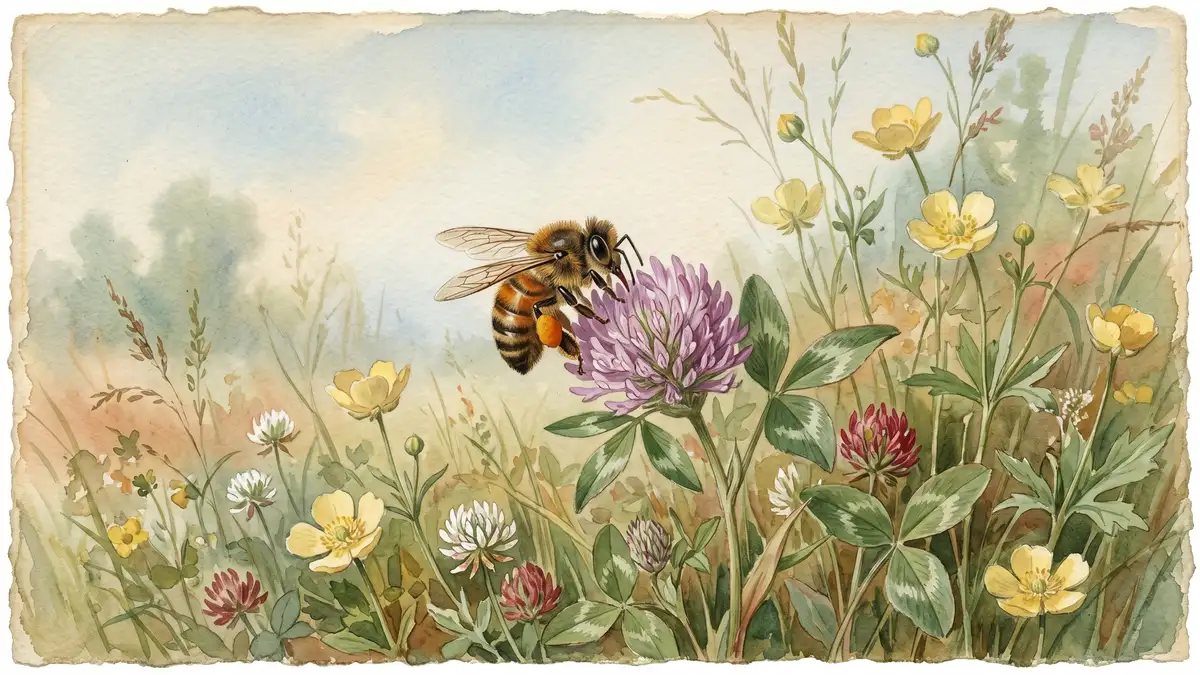
Nearly 90 per cent of the world's wild flowering plant species require pollination, alongside more than 75 per cent of the world's food crops and 35 per cent of global agricultural land, according to the European Parliament. The approximately 20,000 species of bees collectively represent the most important pollinator group, yet close to 35 per cent of invertebrate pollinators now face extinction globally.
The UK exemplifies how pollinator decline directly threatens food production. The Bumblebee Conservation Trust revealed that 2024 was the worst recorded year for bumblebees since monitoring began, with UK populations declining by 22.5 per cent in a single year. Research from the University of Reading estimates that a 30 per cent decline in pollinator activity would cost UK agriculture over £188 million per year in yield losses.
Beyond pollination, genetic diversity within crop species provides the raw material for breeding programmes that develop varieties resistant to pests, diseases and changing climate conditions. The widely used rice variety 'IR64' was developed by combining traits from different varieties. Wheat breeding programmes have incorporated resistance genes from wild relatives to combat leaf rust. Wild peanut relatives have provided drought tolerance traits lacking in commercial varieties. When we lose wild crop relatives, we lose the genetic toolkit needed to adapt agriculture to future challenges.
The Monoculture Trap
The problem: Monoculture farming simplifies management and reduces labour costs, but it depletes soil nutrients, creates conditions for rapid pest explosions, and does little to support pollinators essential for crop productivity.
The evidence: Herbicide-resistant weeds and pesticide-resistant insects pose growing challenges to industrial farming. The expansion of monocultures in North America has been linked to dramatic declines in monarch butterfly populations through habitat destruction.
What Medicines Come from Biodiversity?
Biodiversity serves as humanity's primary source of pharmaceutical innovation. For over 2,000 years, natural products from ecosystems have formed the basis of human pharmacology — morphine from the opium poppy, quinine from cinchona bark, digitoxin from foxglove and artemisinin from sweet wormwood all illustrate how ecological pressures generate compounds with potent biological activities.
Approximately 25 per cent of all modern Western drugs are derived from rainforest plants, despite less than 5 per cent of Amazon plant species having been investigated for pharmaceutical potential. This means 95 per cent of rainforest plants remain unexplored for life-saving compounds. As of 2022, scientists had uncovered at least 18 pharmaceuticals from marine organisms that now help patients fight cancer, relieve pain and combat viral infections.
The World Health Organization's 2025 Model List of Essential Medicines includes over 520 medicines, reflecting the continued central importance of natural products in global healthcare. Fungal biodiversity represents an expansive reservoir of bioactive compounds, with endophytic fungi producing molecules possessing antimicrobial, antiviral, anticancer and immunomodulatory properties. Every species lost to extinction potentially represents undiscovered medicines lost forever.
Discover how the UK is working to protect its natural heritage in our complete guide to conservation.
Explore Conservation GuideHow Does Biodiversity Regulate Our Climate?
Biodiverse ecosystems provide essential climate regulation through carbon sequestration — removing atmospheric carbon dioxide and storing it in biomass and soils. Forests, peatlands, mangroves and marine ecosystems are all critical components of the global carbon cycle, with their capacity to store carbon fundamentally dependent on the integrity and diversity of ecological communities.
The UK has invested substantially in peatland restoration as a climate mitigation strategy. Through Scotland's Peatland ACTION programme, a record-breaking 14,860 hectares of degraded peatlands were restored in 2024–25 — a 42 per cent increase over the previous year. Cumulatively, almost 90,000 hectares have been restored since 1990, with £35.5 million allocated for 2025–26 and a target of 250,000 hectares by 2030.
Woodland carbon sequestration provides another significant mechanism. The Woodland Carbon Code has validated 845 projects creating 42,799 hectares of new woodland with planned carbon dioxide removal of 14.8 million tonnes. The Nature Returns programme, led by Natural England in partnership with the Environment Agency, Forestry Commission and Royal Botanic Gardens Kew, planted over 95,000 trees and shrubs, restored 16 kilometres of hedgerows and improved 2.5 kilometres of watercourses.
The relationship between biodiversity loss and climate change operates as a dangerous feedback loop. As biodiversity declines, ecosystems lose resilience and their capacity to sequester carbon diminishes. Degraded peatlands — which despite covering only 3 per cent of global land area store more carbon than all forests combined — can transition from carbon sinks to carbon sources, actively releasing stored carbon into the atmosphere.
What Is the Economic Value of Biodiversity?
The economic case for biodiversity protection is overwhelming. A partial collapse of ecosystem services including pollination, marine fisheries and timber provision could cost USD 2.7 trillion annually by 2030, according to Zero Carbon Analytics. The global economy already loses over USD 5 trillion per year through biodiversity loss and ecosystem degradation.
| Economic Measure | Value | Context |
|---|---|---|
| Global GDP dependent on nature | USD 44 trillion | Over half of world GDP moderately or highly dependent |
| UK natural capital asset value | £1.6 trillion | 90% from biotic (living) ecosystem services |
| Annual UK ecosystem services | £41 billion | Including £10bn recreation and tourism |
| Annual cost of biodiversity loss | USD 5 trillion | Equivalent to Europe's renewable energy transition cost |
| UK tourism contribution | £147 billion | Approximately 5% of national economy in 2024 |
| Conservation funding gap | USD 830 billion/year | Only USD 220bn directed to nature-positive activities |
Sources: World Economic Forum 2025, ONS Natural Capital Accounts 2025, Zero Carbon Analytics 2025, Carbon Brief IPBES 2025
Conservation investments generate substantial returns. In the United States, USD 55.3 billion in direct spending on conservation supports USD 1.1 trillion in outdoor recreation economic activity and over 575,000 jobs. Biodiversity conservation requires only 15 per cent of the investment needed for net-zero energy system transition, yet generates economic multiplier effects far exceeding its costs.
How Does Biodiversity Benefit Mental and Physical Health?
The connection between biodiversity exposure and human health extends well beyond pharmaceutical discovery. Research published in PMC demonstrates that urban green exercise — physical activity in natural environments — is more effective at alleviating anxiety and depression, enhancing mood, restoring attention and improving overall wellbeing compared with exercise in indoor or built environments.
A meta-analysis found a moderate yet statistically significant positive effect of urban green exercise on adult mental health, with city parks, green spaces and urban forests proving most effective. Low-intensity activities of 20–60 minutes, conducted once or twice weekly, produced the greatest benefits. The health benefits of recreational ecosystems in the UK were valued at £508 billion in asset terms in 2023 — the single largest component of the nation's total natural capital value.
Biodiversity also influences infectious disease risk. Habitat loss and associated biodiversity decline increase the risk of zoonotic disease emergence by creating conditions that favour pathogen spillover from wildlife to human populations. Climate change is pushing wildlife and their diseases into new territories, with the latest bird flu outbreak spreading from birds to dairy cows and subsequently posing direct human health risks. Chronic wasting disease, first identified in 1967, has now been documented in 36 US states and five other countries. Maintaining healthy, biodiverse ecosystems acts as a natural buffer against emerging infectious diseases.
What Is the Current State of UK Biodiversity?
The UK's biodiversity is in serious decline across virtually every measured category. Between 1970 and 2024, the average abundance of monitored species in England declined by approximately 40 per cent, according to Defra's indicators. Priority conservation species fared far worse, with an 80 per cent decline over the same period — only 17 per cent of priority species increased whilst 70 per cent declined.
Woodland Wildlife Crisis
Only 7 per cent of Britain's native woodland is in good condition. Woodland butterflies declined by 47 per cent (1990–2022), woodland birds by 37 per cent over 50 years, dormice by 70 per cent (2000–2022), and plant species richness by 22 per cent over 50 years. Eight in ten native woodlands scored unfavourably for deadwood — habitat that a quarter of all forest species depend on.
Freshwater Ecosystem Collapse
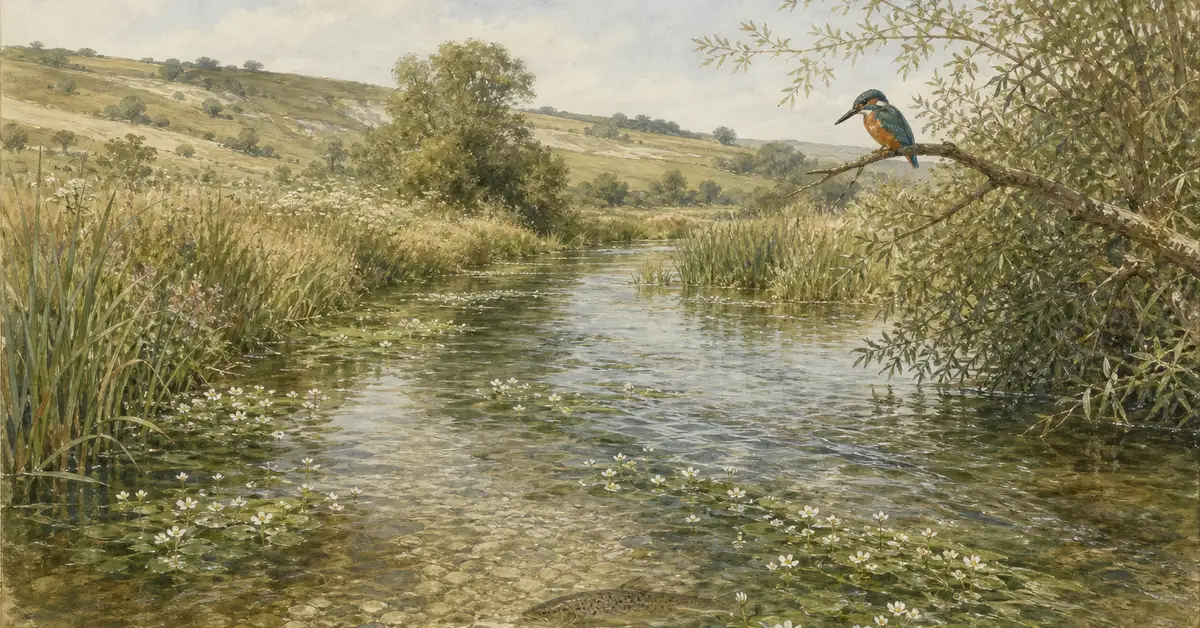
Freshwater vertebrate populations have declined by 84 per cent since 1970 — the steepest loss of any global biome. Wetlands are being lost three times faster than forests. Currently, 24 per cent of all assessed freshwater species are classified as threatened with extinction. Over 3,000 non-native species have been recorded in Great Britain, with invasive species fundamentally altering ecosystem structure.
Sources: Woodland Trust State of UK Woods 2025, Living Planet Report 2024
UK woodland cover has increased marginally from 13.2 per cent of land area in 2020 to 13.5 per cent in 2024, yet the quantity and variety of woodland wildlife is plummeting. The Woodland Trust reports that just 45 per cent of woodland creation targets have been met over the past four years. To achieve governmental targets of 16 per cent cover by 2040 and 19 per cent by 2050, current tree planting rates would need to double by 2030.
What Are the Biggest Threats to Biodiversity?
Five interconnected drivers are responsible for the vast majority of biodiversity loss worldwide: habitat destruction (particularly agricultural land conversion), pollution, climate change, overexploitation and invasive species. These drivers operate synergistically — ecosystem degradation from one cause creates conditions that amplify impacts from others.
The UK government's National Security Assessment identifies a realistic possibility that some critical ecosystems begin to collapse from 2030 onwards. South East Asian coral reefs and boreal forests face collapse risk from 2030, with rainforests and mangroves potentially following from 2050. An ecosystem collapse occurs when it passes a tipping point, transitioning irreversibly from one stable state to another — the Amazon basin, for instance, could shift to a drier savannah state.
Climate change acts as a threat multiplier. The world appears poised to overshoot the Paris Agreement's 1.5°C target, with scientists predicting that nothing can now prevent this threshold being permanently breached. Arctic permafrost melting will unlock enormous volumes of frozen methane, further amplifying warming. If the Atlantic Meridional Overturning Circulation fails, it would plunge northwestern Europe into prolonged severe winters, fundamentally disrupting agricultural systems and economies across the UK.
| Threat | Impact | UK Example |
|---|---|---|
| Habitat loss | Agricultural conversion, urbanisation and infrastructure destroy the spaces species need to survive | Only 7% of native woodland in good condition |
| Pollution | Agricultural chemicals, plastics and novel substances contaminate ecosystems | Nutrient pollution degrading freshwater habitats |
| Climate change | Alters habitats faster than species can adapt, triggers tipping points | Species ranges shifting northward across UK |
| Overexploitation | Unsustainable harvesting depletes populations below recovery thresholds | 38% of assessed tree species face extinction globally |
| Invasive species | Non-native organisms outcompete, predate or disease native species | 3,000+ non-native species recorded in Great Britain |
Sources: UK National Security Assessment 2025, UN SDG Report 2025, Wildfish 2025
What Is the UK Doing to Protect Biodiversity?
The UK has enacted substantive policy frameworks establishing legal obligations for biodiversity protection. The Environment Act 2021 established a strengthened biodiversity duty requiring all public authorities in England to consider, plan and act on conserving and enhancing biodiversity. Local Nature Recovery Strategies — locally developed plans bringing together ecological evidence, land use data and local knowledge — provide farmers and landowners with evidence-based guidance for prioritising nature recovery.
Biodiversity Net Gain became mandatory for all major developments in England from February 2024, requiring developers to ensure at least a 10 per cent increase in biodiversity value, sustained for a minimum of 30 years. From November 2025, these requirements extend to Nationally Significant Infrastructure Projects. Statutory biodiversity credits cost up to £650,000 per unit depending on habitat type, providing a financial mechanism to ensure development contributes positively to nature.
30x30 Target
Protect 30 per cent of UK land and sea for nature by 2030. Currently only 7.1 per cent of England's designated land meets Defra's effective conservation criteria.
Halt Species Decline by 2030
The government has committed to stopping the decline in species abundance and reversing global biodiversity loss within this decade.
Increase Species Abundance by 2042
Targets include increasing species abundance by at least 10 per cent from 2030 levels, restoring 500,000 hectares of wildlife-rich habitats, and restoring 75 per cent of SSSIs to favourable condition.
Nature-Based Finance
The UK is developing natural capital markets for carbon, water quality, biodiversity and flood alleviation, mobilising private finance to close the conservation funding gap alongside public investment.
How Can We All Help Protect Biodiversity?
Protecting biodiversity is not solely the responsibility of governments and conservation organisations — individual and community actions collectively make a significant difference. Understanding why biodiversity matters is the essential first step, but translating that understanding into practical action is what drives real change.
Supporting soil conservation practices, choosing sustainably sourced products, reducing pesticide use in gardens, creating wildlife-friendly spaces and advocating for stronger environmental protections all contribute to stemming biodiversity loss. Citizen science programmes — from butterfly counts to bird surveys — provide vital monitoring data that informs conservation policy and helps track the effectiveness of protection measures.
Local Nature Recovery Strategies now enable communities to shape nature recovery in their areas. Farmers can use these strategies to decide which environmental actions are most appropriate for their land, aligning with available funding schemes. Supporting local wildlife trusts, volunteering for habitat restoration projects and engaging with planning consultations on biodiversity net gain all provide meaningful pathways for community participation in nature recovery.
Frequently Asked Questions
Why is biodiversity important for humans?
Biodiversity is essential for human survival because it provides the ecosystem services we depend on daily — clean air, fresh water, fertile soils, pollination of food crops, natural pest control, climate regulation and disease buffering. Over half of global GDP (USD 44 trillion) depends on nature. Without biodiversity, agriculture would collapse, new medicines could not be discovered, and natural systems that regulate our climate would fail.
How much is UK biodiversity worth economically?
The UK's natural capital is valued at £1.6 trillion, with annual ecosystem service provision worth £41 billion as of 2023. Recreation and tourism contribute £10 billion annually, whilst the health benefits of natural environments are valued at £508 billion in asset terms. Tourism overall contributes £147 billion to the UK economy, much of it dependent on maintaining natural and cultural landscapes.
What percentage of UK species are in decline?
Between 1970 and 2024, 41 per cent of all monitored species in England declined in abundance, with the overall abundance index falling by approximately 40 per cent. Priority conservation species fared far worse — 70 per cent declined, with an 80 per cent overall drop since 1970. Woodland butterflies declined by 47 per cent, woodland birds by 37 per cent, and dormice by 70 per cent.
What is biodiversity net gain?
Biodiversity Net Gain (BNG) is a mandatory requirement under the Environment Act 2021 ensuring that development in England delivers at least a 10 per cent increase in biodiversity value compared with the pre-development state. This must be maintained for a minimum of 30 years. BNG became mandatory for major developments from February 2024 and applies to small sites from April 2024. Developers who cannot achieve this on-site can purchase statutory biodiversity credits costing up to £650,000 per unit.
How does biodiversity loss affect climate change?
Biodiversity loss and climate change operate as a dangerous feedback loop. Degraded ecosystems lose their capacity to sequester carbon — peatlands, which store more carbon than all forests combined despite covering only 3 per cent of global land area, release stored carbon when damaged. Deforested areas cease absorbing CO2 and may become net emitters. As climate change intensifies, it further degrades ecosystems, reducing their carbon storage capacity and accelerating warming in a self-reinforcing cycle.
Can biodiversity loss be reversed?
Evidence from targeted conservation programmes demonstrates that biodiversity loss can be slowed and, in specific cases, reversed. Scotland's Peatland ACTION programme restored a record 14,860 hectares of degraded peatland in 2024–25. The Woodland Carbon Code has created 42,799 hectares of new woodland. The IUCN confirms that site conservation, invasive species management and ex situ conservation have proven effective at stemming losses. However, the scale of required action substantially exceeds current implementation — tree planting remains at only 45 per cent of target levels, and the annual global conservation funding gap stands at USD 830 billion.
Want to Learn More About Biodiversity?
Explore our growing library of evidence-based guides on conservation, ecosystems and the species that make the UK's natural heritage so remarkable.
Clwyd Probert
Founder, Pixcellence
Conservation advocate and wildlife photographer dedicated to making biodiversity science accessible to everyone. Pixcellence provides free, evidence-based guides on UK wildlife, habitats and conservation to support community understanding of the natural world.
Sources: ONS UK Natural Capital Accounts 2025, World Economic Forum Nature Action Agenda 2025, Defra Species Abundance Indicators 2024, Living Planet Report 2024, European Parliament Pollinators 2025, Woodland Trust State of UK Woods 2025, Zero Carbon Analytics 2025, Defra Biodiversity Duty 2025, UK National Security Assessment 2025, Green Business Journal Pollinator Decline 2024