Biodiversity
What biodiversity is, how it is measured, and what the UK evidence says about its loss.
Independent · UK-focused · Primary sources
Pixcellence is an independent UK publisher of plain-English guides to biodiversity, ecosystems, wildlife law and climate change, written for students, teachers and informed readers. Every guide cites primary sources, including Defra, JNCC, the Met Office and State of Nature, and is illustrated in the style of Victorian natural-history watercolours.
Primary sources our guides cite
The evidence at a glance
19%
Average decline in the abundance of monitored UK species since 1970.
Source: State of Nature 2023
1 in 6
Species assessed in Great Britain that are at risk of extinction.
Source: State of Nature 2023
~7%
Of England’s land currently meets the government’s 30by30 criteria (protected and managed for nature), although about 28% is designated.
Sources: Defra 30by30 delivery plan (2026); Natural England designations strategy
Why we separate the two. A designated site has legal status, such as a National Park or a Site of Special Scientific Interest. Land that counts towards 30by30 must also be protected from harmful activities and actively managed for nature. Headlines often treat them as the same thing; our guides do not.
Topics
Four areas, each a set of connected guides. Start with the first guide in each, or go straight to the question you came with.
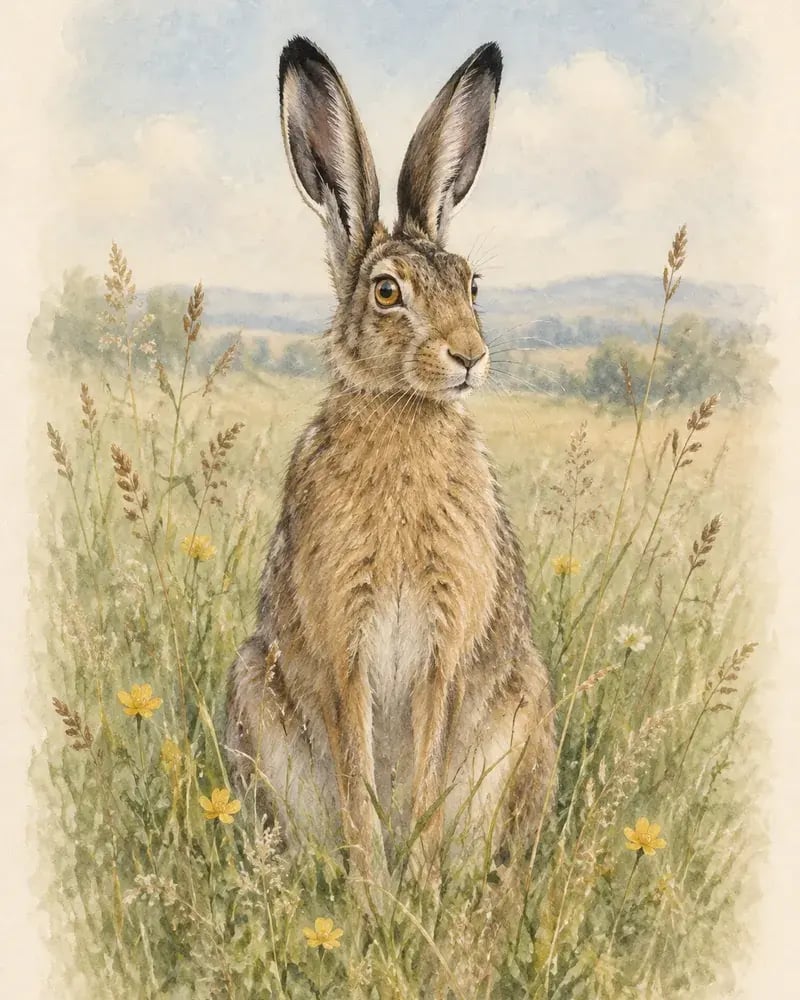
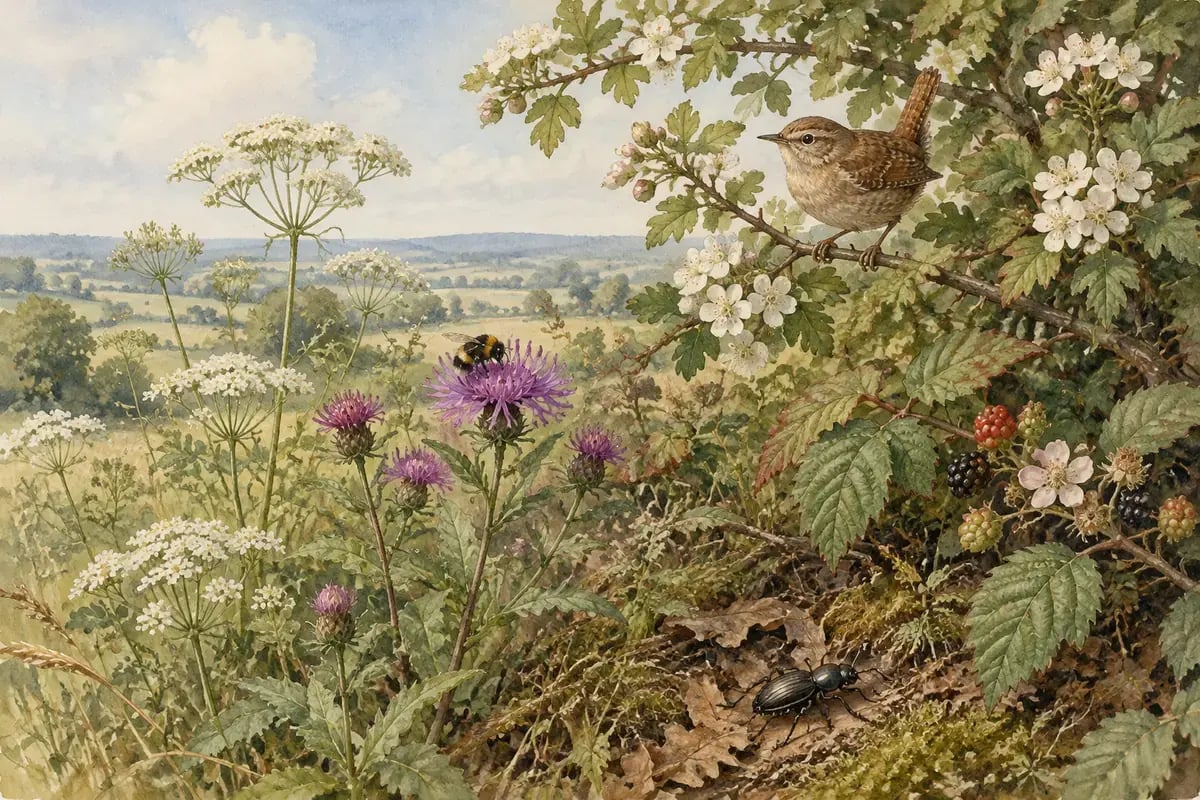
What biodiversity is, how it is measured, and what the UK evidence says about its loss.
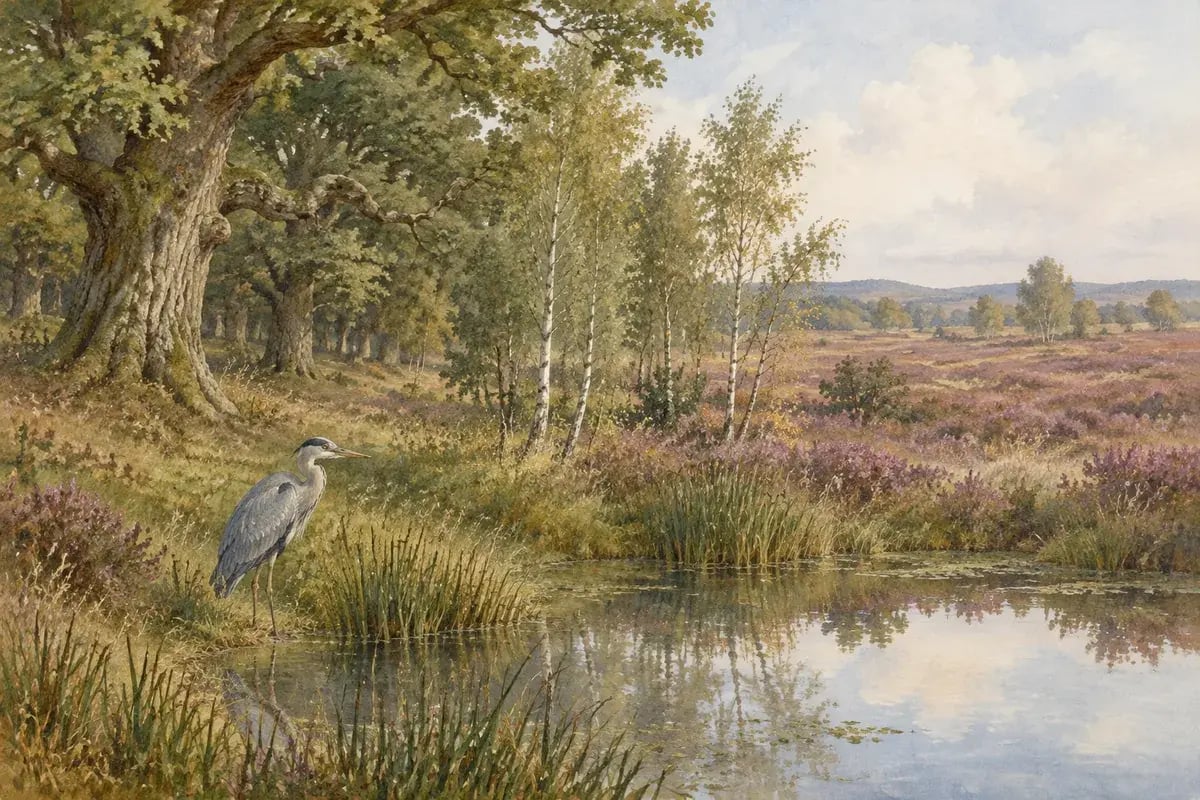
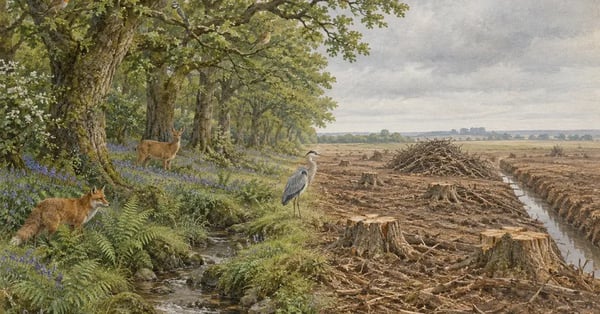
How UK habitats work, from chalk streams and woodland to an ecosystem you can build in a jar.
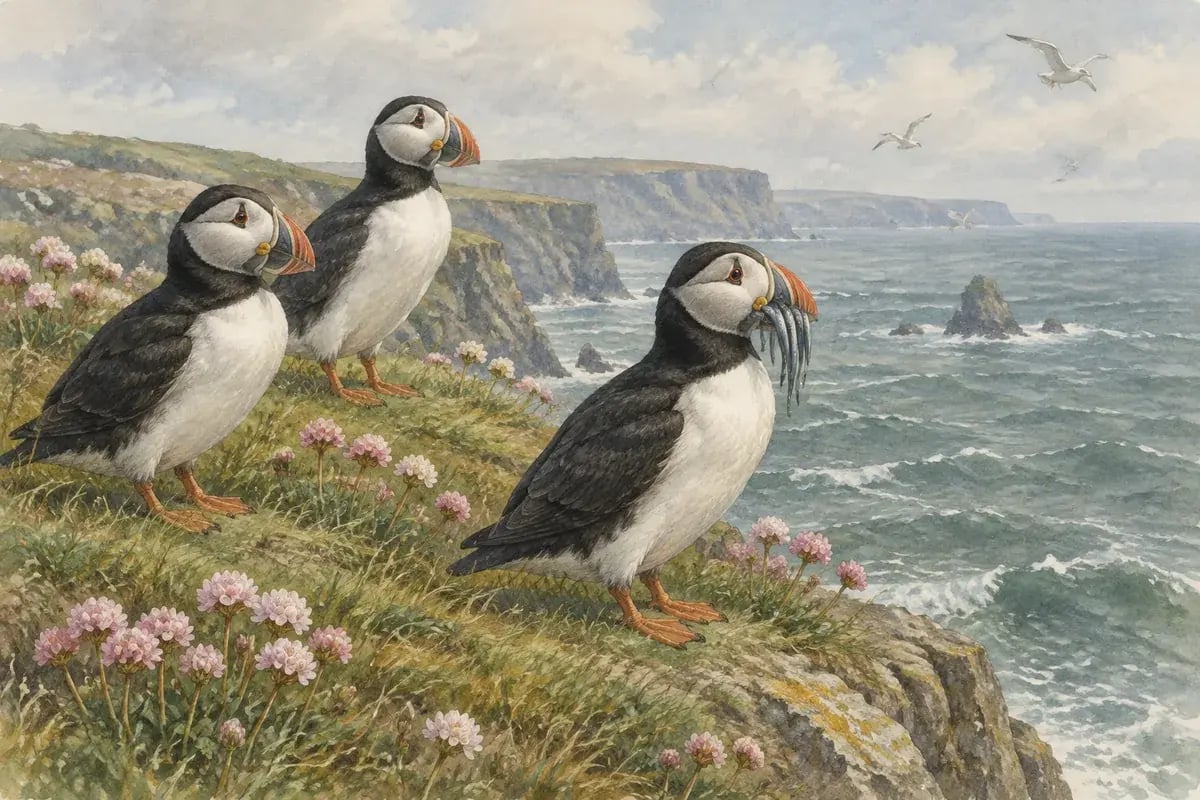
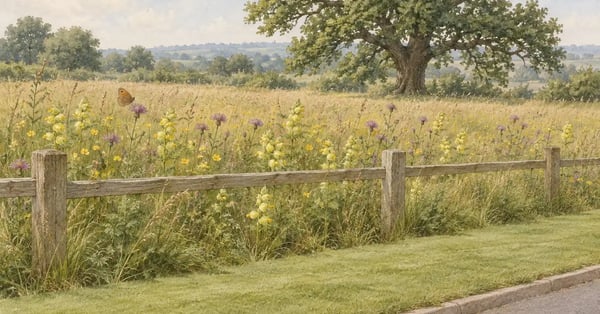
How a changing climate is reshaping UK wildlife, and how the climate and nature crises are linked.
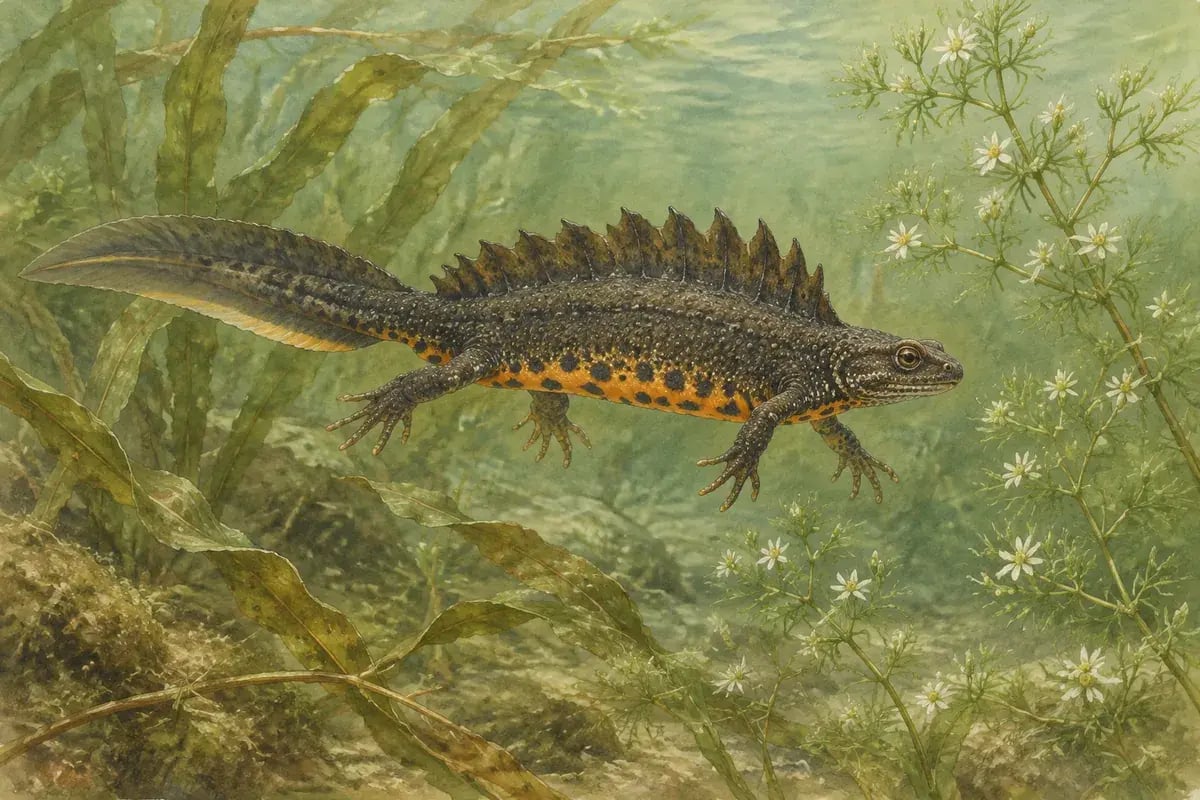
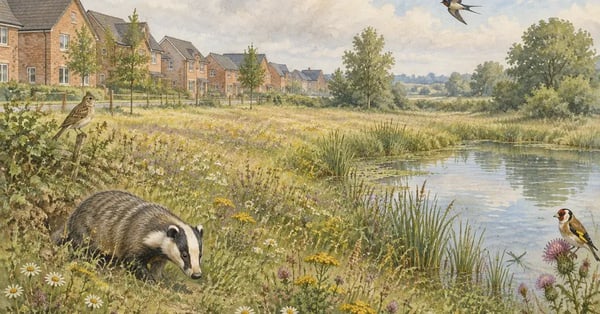
Which species are protected, what the law actually requires, and how Biodiversity Net Gain works in planning.
For students and teachers
Pixcellence guides are written to support coursework from KS3 to A-level and undergraduate study. Each one defines its key terms, uses UK examples and links to the primary sources a student can cite.
For teachers, every guide is dated and sourced, so you can check it before sharing it with a class.
Editorial standards
The method is part of the content. These are the five rules every guide follows.
Figures come from Defra, JNCC, Natural England, the ONS, the Met Office and the State of Nature partnership, and each source is linked inline next to the figure it supports.
What the data shows comes first. What it might mean is labelled as interpretation.
“Designated” is not “effectively protected”, and an “average decline” is not an “extinction risk”. We keep the distinctions the data makes.
Every guide shows when it was last updated, and is revised when new official data is published.
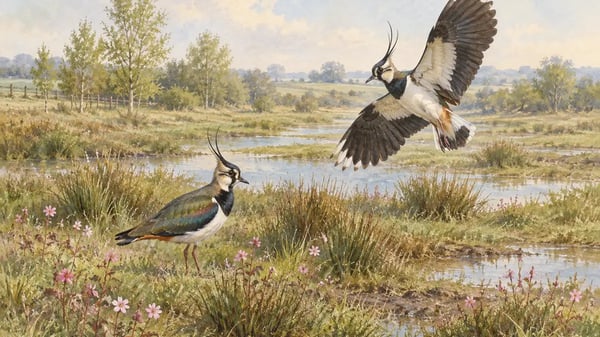
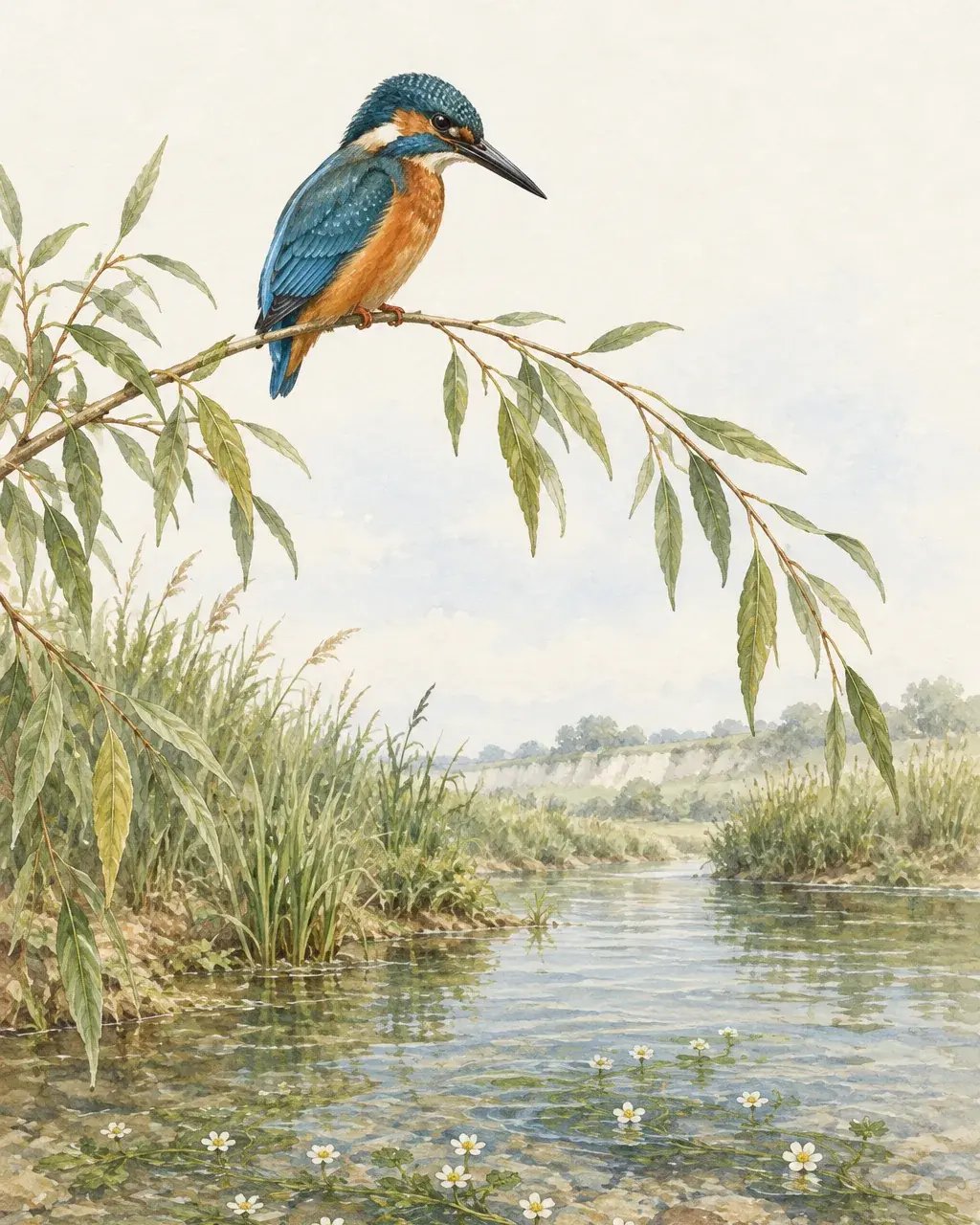
Our illustrations interpret a species or habitat. They never pretend to document a real moment, so they cannot be mistaken for evidence.
The editor
Clwyd Probert is the founder and editor of Pixcellence. He spent more than a decade as a professional photographer; in 2013 his studio photographed Hope 4 Apes at the Savoy, the Ape Alliance gala hosted by Sir David Attenborough and Brian May with Ian Redmond OBE, organised with charities including the Born Free Foundation. He continues to work with wildlife charities. Pixcellence is his effort to make UK biodiversity and climate evidence clear, sourced and accessible.
New and updated
Habitat destruction is the loss of a natural habitat through human activity, to the point where it can no longer support the species that lived …
Updated 5 November 2026
The statutory biodiversity metric is the Defra tool that measures biodiversity value for biodiversity net gain (BNG) in England. It turns habitats …
Updated 29 October 2026
Biodiversity net gain (BNG) is required by Schedule 7A of the Town and Country Planning Act 1990, inserted by Schedule 14 of the Environment Act …
Updated 29 October 2026
Biodiversity net gain (BNG) means leaving wildlife habitat in a measurably better state than it was before a development. In England it is the law: …
Updated 29 October 2026
Questions
Pixcellence is an independent, UK-focused publisher of plain-English guides to biodiversity, UK ecosystems, wildlife law and climate change. Each guide explains the evidence from primary sources and links to them, so readers can check the figures for themselves.
Pixcellence is founded and edited by Clwyd Probert, who spent more than a decade as a professional photographer and continues to work with wildlife charities. Each guide carries an author byline and the date it was last updated.
From UK primary sources wherever they exist: Defra, JNCC, Natural England, the Office for National Statistics, the Met Office, the Climate Change Committee and the State of Nature partnership. Sources are linked inline, next to the figure they support.
So that an illustration is never mistaken for evidence. A photorealistic image, including an undisclosed AI image, can look like a record of a real animal or place. Our illustrations follow the Victorian natural-history tradition of artists such as Archibald Thorburn: they interpret a species or habitat, while the text and its sources carry the evidence.
Yes. Guides are written to support coursework from KS3 to A-level and undergraduate study. They define key terms, give UK examples and link to the primary sources a student can cite directly. Check your school or exam board’s guidance on referencing web sources.
Every guide shows the date it was last updated. Guides are revised when the data behind them changes, for example a new State of Nature report, a Defra statistics release or a Met Office climate summary.
An occasional email when a new guide is published or a major guide is updated.