Key Takeaway
Wild birds, bats, badgers, great crested newts and many other species are protected by law in the UK, mainly through the Wildlife and Countryside Act 1981, the Habitats Regulations and the Protection of Badgers Act 1992. Yet fewer than 2% of reported wildlife crime incidents in 2025 led to a conviction (England and Wales, excluding fisheries), and the abundance of the UK's priority species has fallen to 38% of its 1970 level. Legal protection works best alongside enforcement and habitat restoration.
Protected Animals in the UK at a Glance
In the UK, all wild birds, all bats, badgers, otters, hazel dormice, water voles, red squirrels, pine martens, great crested newts, natterjack toads, all six native land reptiles and all whales, dolphins and porpoises are protected by law. The level of protection varies. Some species are fully protected, including their homes; others are protected only against being killed, injured or sold. The table below summarises the main species and the law that covers each in England and Wales. Scotland and Northern Ireland have equivalent but separate legislation (see how the law differs across the UK nations).
| Species | Protection | Main law |
|---|---|---|
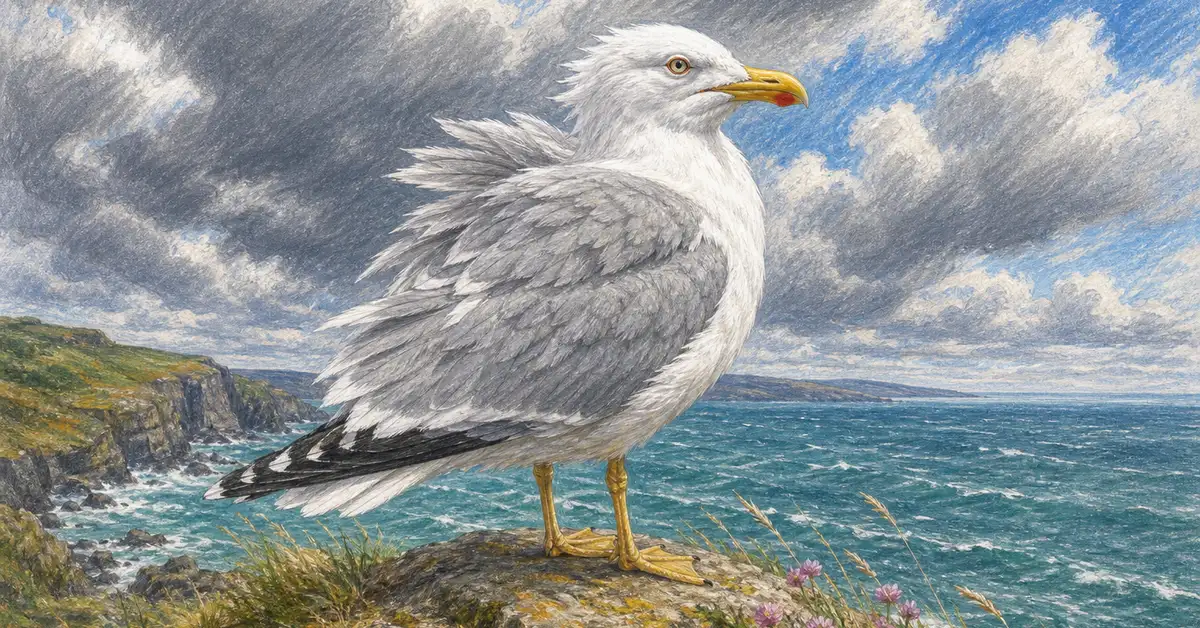
| All wild birds, their nests while in use or being built, and their eggs | Protected from being killed, injured or taken. Schedule 1 birds (e.g. barn owl, kingfisher, peregrine) are also protected from disturbance at the nest. This includes gulls. | Wildlife and Countryside Act 1981, Part 1 |
| All UK bat species (18 recorded, 17 breeding) and their roosts | Fully protected. Roosts are protected even when no bats are present. | Habitats Regulations 2017; WCA 1981 Schedule 5 |
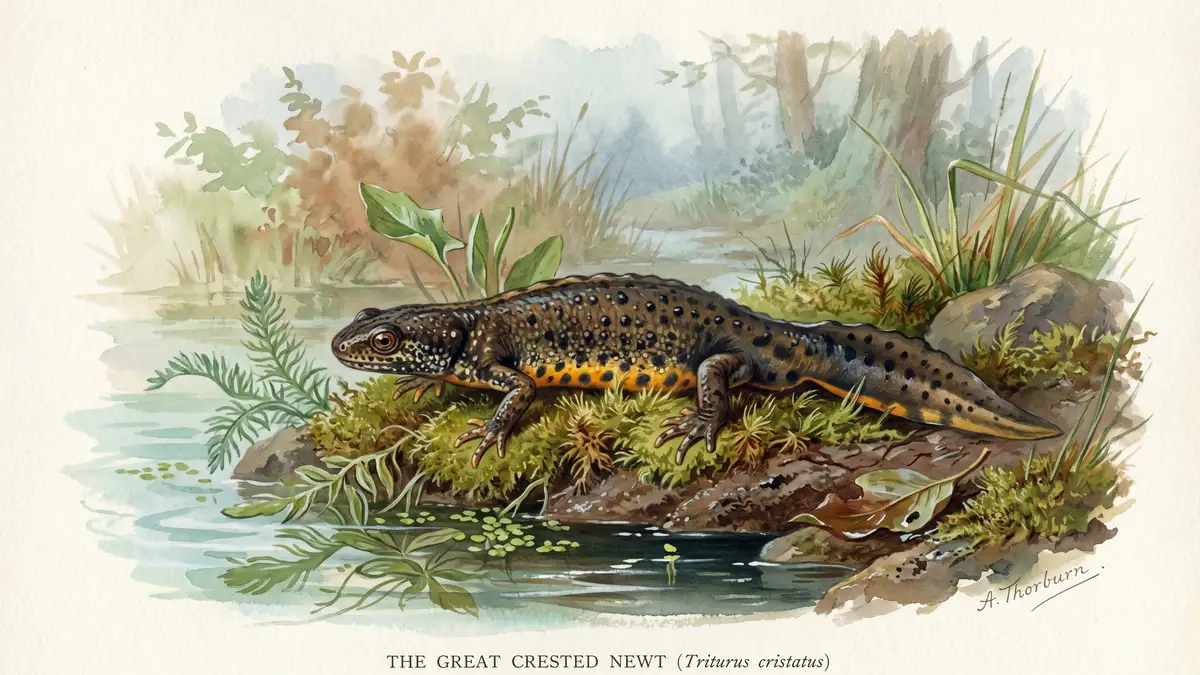
| Great crested newt, natterjack toad, hazel dormouse, otter, smooth snake, sand lizard | Fully protected as European Protected Species, including their breeding and resting places. | Habitats Regulations 2017; WCA 1981 Schedule 5 |
| Whales, dolphins and porpoises (all species); marine turtles | Fully protected as European Protected Species. | Habitats Regulations 2017 |
| Badgers and their setts | Protected from killing, injury, cruelty and interference with an occupied sett. | Protection of Badgers Act 1992 |
| Water vole, red squirrel, pine marten | Fully protected. Water voles gained full protection in 2008. | WCA 1981 Schedule 5 |
| Adder, grass snake, slow-worm, common lizard | Partly protected: illegal to intentionally kill, injure or sell them. | WCA 1981 Schedule 5 (partial) |
| Hedgehog | Not fully protected. Certain trapping and killing methods are banned. | WCA 1981 Schedule 6 |
| Deer | Killing is an offence during each species' statutory close season. | Deer Act 1991 |
| All wild mammals | Protected from deliberate cruelty such as beating, crushing, drowning or burning. | Wild Mammals (Protection) Act 1996 |
Sources: Wildlife and Countryside Act 1981, Schedule 5; Conservation of Habitats and Species Regulations 2017, Schedule 2; Protection of Badgers Act 1992; CPS wildlife offences guidance. Most offences carry up to six months' imprisonment, an unlimited fine, or both. Details of each law follow below.
What Are Protected Species in the UK?
Protected species in the UK are wild animals, birds and plants that receive specific legal safeguards against killing, injury, disturbance or habitat destruction. The Wildlife and Countryside Act 1981 provides the primary framework, organising protected wildlife into schedules that confer different levels of protection. Schedule 1 covers birds requiring special breeding-season protection, Schedule 5 covers protected wild animals, and Schedule 8 covers protected wild plants. The Joint Nature Conservation Committee reviews Schedules 5 and 8 every five years. Recommendations from the 7th Quinquennial Review were sent to the UK, Scottish and Welsh governments in April 2022, and the UK government published its response in December 2025.
Beyond the Wildlife and Countryside Act, the Conservation of Habitats and Species Regulations 2017 carry the protections that came from the EU Habitats Directive into law in England and Wales; Scotland and Northern Ireland have their own equivalent regulations from 1994 and 1995. They create the strictest tier of protection, European protected species (EPS), which covers all bats, great crested newts, hazel dormice, otters and all whales, dolphins and porpoises. Separately, the four UK nations keep priority species lists that together cover 2,890 species. These lists guide conservation work and planning decisions, but being on one does not by itself make it an offence to harm a species.
2,890+
Priority Species
On the four UK nations' priority lists
38%
Of 1970 Baseline
Priority species abundance by 2023
Under 2%
Conviction Rate
Of reported wildlife crimes led to a conviction in 2025
35%
Favourable Status
Habitats Directive species in 2019
Sources: JNCC Priority Species Distribution 2025, JNCC Priority Species Abundance 2025, Wildlife and Countryside Link 2026
Which Laws Protect Wildlife in the UK?
UK wildlife protection operates through multiple overlapping statutes, each addressing different aspects of species conservation. The Wildlife and Countryside Act 1981 remains the cornerstone, consolidating earlier legislation to implement the Bern Convention and EU Birds Directive. This Act has been substantially amended through the Countryside and Rights of Way Act 2000 in England and Wales, and through the Nature Conservation (Scotland) Act 2004 in Scotland.
Under regulation 43 of the Habitats Regulations 2017, it is an offence to deliberately capture, injure, kill or disturb a European protected species, or to damage or destroy its breeding site or resting place. In England and Wales the maximum penalty on summary conviction is six months' imprisonment, an unlimited fine, or both. Under section 21 of the Wildlife and Countryside Act, where an offence involves more than one animal or plant, the maximum fine is worked out as if each were a separate offence. Scotland raised its maximum penalties in 2020: the most serious wildlife offences there can now bring up to five years in prison and an unlimited fine.
The Protection of Badgers Act 1992 applies in England, Wales and Scotland. It makes it an offence to kill, injure or take a badger, to treat one cruelly, to dig for badgers, or to interfere with a sett, for example by damaging or blocking it or disturbing a badger while it is inside. In Northern Ireland, badgers are protected under the Wildlife (Northern Ireland) Order 1985.
What changed in 2025 and 2026?
The Planning and Infrastructure Act 2025, which became law on 18 December 2025, created a Nature Restoration Fund in England. Natural England can now prepare environmental delivery plans (EDPs) that set out conservation measures for a protected site or species across an area. Where an EDP applies, a developer can pay a nature restoration levy instead of arranging its own assessment, licence and mitigation for that particular impact. The first EDPs deal with nutrient pollution affecting protected sites, such as the Norfolk plan Natural England consulted on in autumn 2026.
The same Act changed badger licensing in England. A licence can now allow badgers to be killed or taken, not only setts to be interfered with, for public health or safety or other reasons of overriding public interest, as long as there is no satisfactory alternative and the licence would not harm the survival of any badger population. The Badger Trust opposed this change while the bill was in Parliament.
| Legislation | Scope | Key Protections | Penalties |
|---|---|---|---|
| Wildlife and Countryside Act 1981 | Great Britain | Schedules 1, 5, 8 — birds, animals, plants | England and Wales: up to 6 months' imprisonment, unlimited fine (higher maximums in Scotland) |
| Habitats Regulations 2017 | England and Wales (Scotland: 1994 Regulations; Northern Ireland: 1995 Regulations) | European Protected Species — strict protection | England and Wales: up to 6 months' imprisonment, unlimited fine (higher maximums in Scotland) |
| Protection of Badgers Act 1992 | Great Britain (Northern Ireland: Wildlife Order 1985) | Sett protection, anti-persecution | England and Wales: up to 6 months' imprisonment, unlimited fine (higher maximums in Scotland) |
| Nature Conservation (Scotland) Act 2004 | Scotland | Scottish Biodiversity List, biodiversity duty | Variable by offence |
| Environment (Wales) Act 2016 | Wales | Section 7 list — 1,322 species (updated 2026) | Public duty, not direct criminal sanctions |
Sources: JNCC Wildlife and Countryside Act 1981, Conservation of Habitats and Species Regulations 2017
Which Animals Are Protected in the UK?
Schedule 5 of the Wildlife and Countryside Act 1981 protects a wide range of wild animals from persecution, making it an offence to intentionally kill, injure or take listed species and, for many of them, to damage or block their shelters or disturb them there. The level of protection depends on how each species is listed. Mammals listed include all bats, hazel dormice, otters, water voles, red squirrels and pine martens; badgers have their own Act. Reptiles listed include smooth snakes and sand lizards, which are fully protected, and adders, grass snakes, slow-worms and common lizards, which are protected against killing, injury and sale. Protected amphibians include great crested newts and natterjack toads.
All UK bats are protected under both Schedule 5 and the Habitats Regulations. The latest National Bat Monitoring Programme results, published in 2026, track 11 of the UK's 17 breeding species: in Great Britain, six have increased since 1999 and five are stable. That is a slow recovery from large historical declines, and some species remain a cause for concern.
The water vole has suffered one of the most dramatic declines of any British mammal and is now classed as Endangered. According to Natural England, water voles occupy only 615 of the 1,163 ten-kilometre grid squares in England with suitable habitat. Reaching Favourable Conservation Status would mean restoring them to all of those squares, supported by at least 184,000 kilometres of healthy riverbank habitat.
How Are UK Birds Protected by Law?
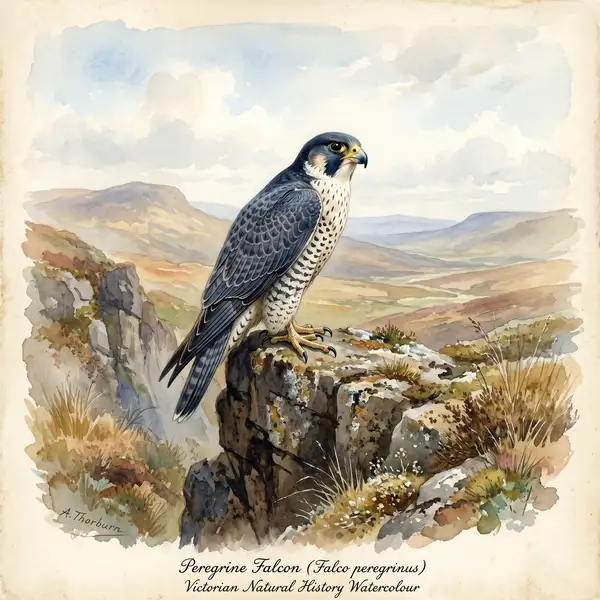
Schedule 1 of the Wildlife and Countryside Act 1981 designates wild bird species requiring special protection during the breeding season. It is an offence to intentionally or recklessly disturb a Schedule 1 bird while it is building a nest or is at or near a nest with eggs or young, or to disturb its dependent young, so photographers, surveyors and bird ringers need a licence to work close to active nests of Schedule 1 species. These include birds of prey such as the peregrine falcon, golden eagle, white-tailed eagle and red kite, alongside barn owls, kingfishers and stone-curlews.
In March 2026 the UK, Scottish and Welsh governments launched a joint consultation on stronger protection for six declining bird species that can currently be shot in season, including woodcock, pintail, goldeneye, pochard and European white-fronted goose. The proposals would remove some of these birds from Schedule 2 Part 1 of the Act (the list of birds that may be shot outside their close season) and lengthen close seasons for others.
Farmland birds show some of the steepest losses. According to Defra's latest wild bird statistics, farmland bird populations have fallen by 63% in the UK and 66% in England since 1970, and by a further 12% in the five years since 2020. Iconic species such as turtle doves, yellowhammers and lapwings continue to lose ground, reflecting the impact of agricultural intensification on ground-nesting and seed-eating species.
Explore our guide to UK endangered species to see which native wildlife faces the greatest threats.
Discover UK Endangered SpeciesWhat Plants Are Protected in the UK?
Schedule 8 of the Wildlife and Countryside Act 1981 lists more than 180 protected wild plants, including flowering plants, ferns, mosses, liverworts, lichens, fungi and algae. It is an offence to intentionally pick, uproot or destroy a Schedule 8 plant, or to sell one; a few species, such as the bluebell, are listed for the sale offence only. Separately, it is an offence for anyone other than an authorised person, such as the landowner, to intentionally uproot any wild plant.
The native bluebell is listed in respect of sale, so it is illegal to sell wild bluebells or their bulbs, or to collect them for sale. The lady's slipper orchid (Cypripedium calceolus) and Killarney fern (Trichomanes speciosum) are also on Schedule 8. In England and Wales, plant offences carry up to six months' imprisonment, an unlimited fine, or both.
Many more plants and fungi appear on England's list of species of principal importance under section 41 of the Natural Environment and Rural Communities Act 2006. That list does not make it an offence to pick them, but public bodies, including planning authorities, must take it into account when making decisions.
How Does Wildlife Crime Enforcement Work?
Strong penalties on paper have not led to many convictions. Wildlife and Countryside Link's latest annual wildlife crime report counted 2,149 suspected wildlife crime incidents in England and Wales in 2025 but only 41 convictions, a conviction rate under 2% (excluding fisheries offences). The figures come from charities' own records, because police do not record wildlife crime nationally.
The Enforcement Gap
Common assumption: Protected species are safe because harming them is illegal and carries serious penalties including imprisonment and unlimited fines.
The reality: With fewer than 2% of reported incidents ending in a conviction, offences such as badger baiting, raptor persecution and hare coursing often go unpunished. Wildlife and Countryside Link has called for at least eleven major wildlife crimes to be made notifiable to the Home Office, so that police record and prioritise them.
In a month-long international operation in autumn 2025, Border Force seized more than 250 endangered species and illegal wildlife products at UK airports, ports and mail depots, a 73% increase on the previous year. Finds included live snakes, tarantulas and lovebirds, protected under the Convention on International Trade in Endangered Species (CITES).
What Are the Survey Requirements for Protected Species?
Where a development could affect protected species, the local planning authority will usually expect ecological surveys before it decides the application. For great crested newts, a European protected species, surveys look at ponds on and around the site. A first check often uses the Habitat Suitability Index (HSI), which scores ponds on features such as size, water quality, shading and the presence of fish.
Presence or absence surveys are normally carried out in the newts' breeding season, roughly mid-March to mid-June, using methods such as torch counts, bottle trapping, netting, egg searches and environmental DNA (eDNA) sampling of pond water. If newts are present and the work would harm them or their habitat, the developer needs a mitigation licence from Natural England (or Natural Resources Wales, NatureScot or the Northern Ireland Environment Agency). In many English council areas there is an alternative: Natural England's district level licensing, where the developer makes a conservation payment that funds new and restored ponds elsewhere, instead of carrying out site surveys and on-site mitigation.
Preliminary Ecological Appraisal
Ecological surveyors evaluate site features, habitat types and connectivity to surrounding landscape. This screening assessment determines whether detailed species surveys are needed.
Species-Specific Surveys
Ecologists surveying bats in England need a Natural England bat survey licence. Level 1 (CL17) covers observation with torches; Level 2 (CL18) adds endoscopes and catching bats by hand or with hand-held nets; Levels 3 and 4 (CL19 and CL20) add mist nets or harp traps, with acoustic lures.
Mitigation Licensing
If protected species are present and the work would harm them, a mitigation licence is needed before work starts. For great crested newts, district level licensing is a pooled alternative in many areas. For low-impact work on bat roosts, registered ecologists can use class licences; Natural England is replacing its older bat mitigation class licence (CL21) with a bat earned recognition licence.
Monitoring and Compliance
Licence holders must follow the licence conditions, which include keeping records and reporting back on the work carried out under the licence.
Which Species Have Made Successful Comebacks?
Despite the overall decline in UK biodiversity, several species demonstrate that legal protection combined with active conservation can reverse historical extinctions. Red kites are one of Britain's best-known recoveries. Persecution reduced them to a handful of pairs in mid-Wales by the 1930s. After reintroduction programmes began in England and Scotland in 1989, the UK population has grown to around 4,400 breeding pairs.
Eurasian beavers, hunted to extinction in Britain centuries ago, returned to Scotland through an official trial release in 2009 and are now a protected species in both Scotland and England. In England, beavers have been released into fenced enclosures, including one in London, and since February 2025 Natural England can licence wild releases; the first licensed wild release was at Purbeck Heaths in Dorset.
Red Kite Recovery
From a handful of pairs in Wales to around 4,400 breeding pairs across the UK, helped by legal protection and reintroductions since 1989.
Large Blue Butterfly
Declared extinct in the UK in 1979, the large blue has returned through reintroduction and careful grassland management by a partnership of conservation organisations.
Pine martens, driven close to extinction in much of Britain by persecution and habitat loss, are protected under Schedule 5 and have been recovering in Scotland. In England they remain rare, and Natural England reports that carefully managed reintroductions are starting to bring them back to English woodlands. Studies suggest pine martens can reduce grey squirrel numbers, which may help red squirrel population recovery. In Scotland, the Saving Wildcats project has begun releasing captive-bred wildcats in the Cairngorms.
How Do Protected Species Laws Differ Across the UK Nations?
Wildlife law is partly devolved, so the details differ across the four UK nations. England and Wales share the Wildlife and Countryside Act 1981 (amended by the Countryside and Rights of Way Act 2000) and the Habitats Regulations 2017. Scotland also uses the 1981 Act, as amended by the Nature Conservation (Scotland) Act 2004 and later Scottish laws, with its own Conservation (Natural Habitats, &c.) Regulations 1994; since 2020 the most serious wildlife crimes there can bring up to five years in prison. Northern Ireland has the Wildlife (Northern Ireland) Order 1985 and the Conservation (Natural Habitats, etc.) Regulations (Northern Ireland) 1995. Licences are issued by Natural England, Natural Resources Wales, NatureScot and the Northern Ireland Environment Agency respectively.
Scotland's approach integrates biodiversity duty requirements on public bodies to further conservation of species on the Scottish Biodiversity List, extending conservation obligations beyond enforcement to proactive species recovery. In March 2026 Wales published an updated priority list of 1,322 species under the Environment (Wales) Act 2016, up from 557 on the previous interim list.
In January 2026 Defra published a national security assessment on global biodiversity loss and ecosystem collapse. It found a realistic possibility that some ecosystems overseas, such as South-East Asian coral reefs and boreal forests, could begin to collapse from 2030 as nature loss combines with climate change and other pressures, with knock-on risks for the UK's resilience, security and prosperity.
How Can You Help Protect UK Wildlife?
Reporting wildlife incidents to the appropriate authorities forms a critical part of species protection. Dead wild birds in Great Britain can be reported to Defra online or on 03459 33 55 77, which helps track bird flu. Marine animal strandings (dolphins, porpoises, whales, seals and marine turtles) should be reported to the UK Cetacean Strandings Investigation Programme. Suspected wildlife crime should be reported to the police on 101, or 999 if a crime is happening now.
Citizen science programmes provide opportunities for direct participation in species monitoring. The British Trust for Ornithology coordinates multiple volunteer bird survey programmes, the Bat Conservation Trust collects passive acoustic data, and iRecord enables wildlife observations to be contributed to national biodiversity databases. These citizen science initiatives generate data at a scale that governmental monitoring alone could not achieve.
Supporting habitat restoration and conservation organisations amplifies the impact of legal protections. The species recovery successes of red kites, beavers and large blue butterflies demonstrate that active conservation — not merely legal prohibition — drives population recovery. Every person who understands which species are protected and why becomes an advocate for stronger enforcement and better habitat management.
Frequently Asked Questions
What animals are protected in the UK?
All wild birds (with their nests and eggs), all 18 bat species, badgers, otters, hazel dormice, water voles, red squirrels, pine martens, great crested newts, natterjack toads, smooth snakes, sand lizards and all whales, dolphins and porpoises are protected by law. Adders, grass snakes, slow-worms and common lizards are protected against being killed, injured or sold. The main laws are the Wildlife and Countryside Act 1981, the Conservation of Habitats and Species Regulations 2017 and the Protection of Badgers Act 1992.
Are hedgehogs protected in the UK?
Only partly. Hedgehogs are listed on Schedule 6 of the Wildlife and Countryside Act 1981, which bans certain methods of trapping and killing them, and like all wild mammals they are protected from deliberate cruelty under the Wild Mammals (Protection) Act 1996. They are not fully protected species like bats or badgers.
What happens if you harm a protected species in the UK?
Harming a protected species is usually a criminal offence under the Wildlife and Countryside Act 1981, the Conservation of Habitats and Species Regulations 2017 or the Protection of Badgers Act 1992. In England and Wales these offences carry up to six months' imprisonment, an unlimited fine, or both, and where more than one animal or plant is involved the maximum fine can be calculated for each one. Scotland has higher maximum penalties, and Northern Ireland has its own laws.
Are all UK bat species protected?
Yes. All 18 bat species recorded in the UK, 17 of which breed here, are protected under Schedule 5 of the Wildlife and Countryside Act 1981 and the Conservation of Habitats and Species Regulations 2017, with equivalent laws in Scotland and Northern Ireland. It is an offence to deliberately capture, injure, kill or disturb a bat, or to damage or destroy a roost, even if no bats are present at the time.
Do I need a survey before building near wildlife habitats?
If your development is near habitats that may support protected species — particularly ponds (great crested newts), buildings or trees (bats), or riverbanks (otters, water voles) — you may need a Preliminary Ecological Appraisal. If protected species are present and would be affected, you will usually need a licence from Natural England (or Natural Resources Wales, NatureScot or the Northern Ireland Environment Agency) before work starts. For great crested newts, many English councils offer district level licensing as an alternative to site surveys. This is general information, so take advice from a qualified ecologist for your site.
Is it illegal to pick bluebells in the UK?
Picking a few bluebell flowers is not usually a crime, but the law limits what you can do. Native bluebells are listed on Schedule 8 of the Wildlife and Countryside Act 1981 in respect of sale, so it is an offence to sell wild bluebells or their bulbs, or to collect them for sale. It is also an offence for anyone other than the landowner, or someone with their permission, to intentionally uproot any wild plant, and many nature reserves and protected sites do not allow picking.
How many priority species are protected in the UK?
JNCC counts 2,890 species on the priority lists of the four UK nations: section 41 of the NERC Act 2006 (England), section 7 of the Environment (Wales) Act 2016, the Scottish Biodiversity List and Northern Ireland's priority species list. They include mammals, birds, reptiles, amphibians, fish, invertebrates, plants, fungi, lichens and algae. Being on a priority list guides conservation and planning decisions but does not by itself make it an offence to harm a species. The combined abundance of the priority species with enough data has fallen to 38% of its 1970 level.
What should I do if I find an injured protected animal?
Contact the RSPCA (England and Wales), SSPCA (Scotland) or USPCA (Northern Ireland) for rescue assistance. For injured birds, the RSPB provides guidance. For marine animals including dolphins, whales and seals, contact the UK Cetacean Strandings Investigation Programme. Do not attempt to handle bats — contact the Bat Conservation Trust helpline (0345 1300 228) for specialist advice.
Help Us Protect UK Wildlife
Explore our conservation guides, share them with your community, and stay informed about the species that need our protection most. Every person who understands UK wildlife law becomes an advocate for stronger enforcement.
Clwyd Probert
Founder, Pixcellence
Clwyd writes Pixcellence's evidence-led guides to UK biodiversity and climate, illustrated in the tradition of Victorian natural-history watercolour.
Sources: JNCC Wildlife and Countryside Act 1981, Conservation of Habitats and Species Regulations 2017, Wildlife and Countryside Link 2026, JNCC Priority Species Abundance 2025, JNCC Status of Threatened Species 2025, GOV.UK Wild Bird Protections 2026, GOV.UK Wildlife Smuggling Crackdown 2025, Natural England Water Vole Recovery 2026, Welsh Government Section 7 List
Related reading: biodiversity net gain and the statutory metric · are seagulls protected under UK law?