Chalk streams are one of the rarest river habitats on Earth — only around 200 exist worldwide, and roughly 85% of them flow through England. Fed by groundwater filtered slowly through chalk aquifers, ...
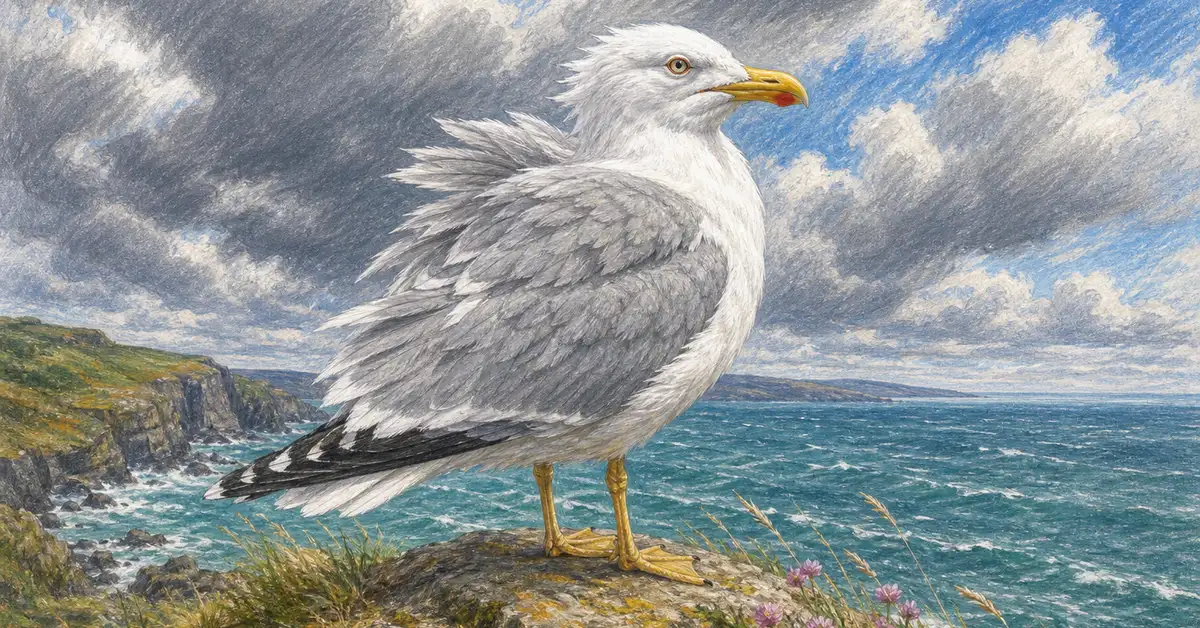
Are Seagulls Protected in the UK? Yes — all gulls in the United Kingdom are fully protected under the Wildlife and Countryside Act 1981. This means it is illegal to kill, injure, or take any wild ...
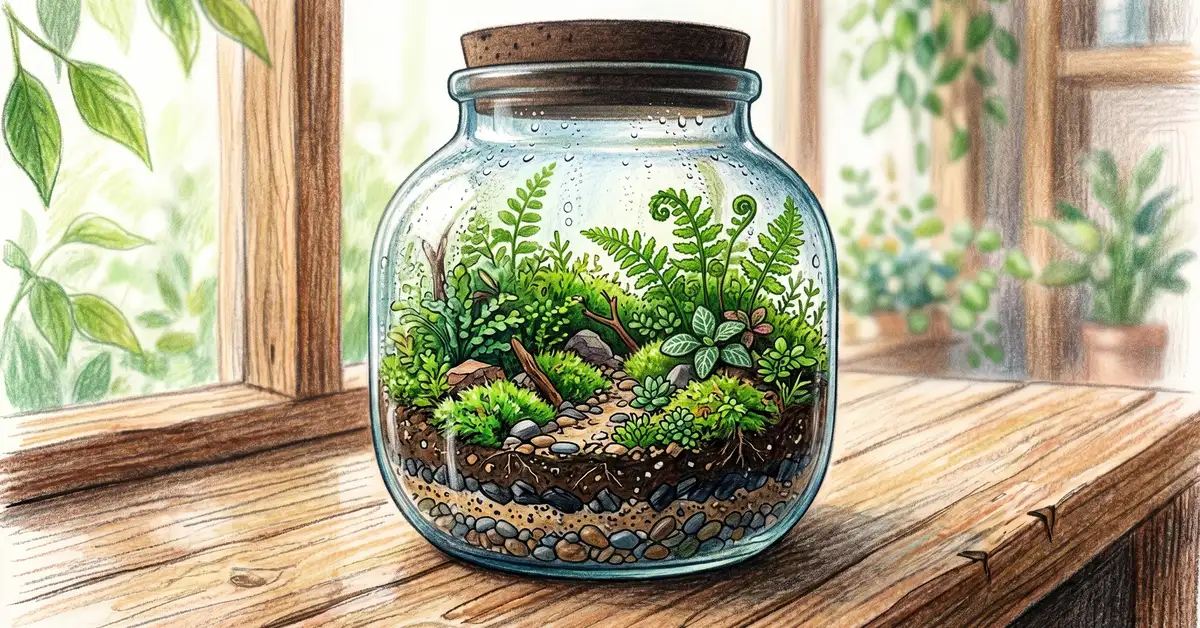
Key Takeaway A mini ecosystem is a self-sustaining habitat built inside a glass container, where photosynthesis, water cycling, and decomposition operate exactly as they do in nature. David Latimer's ...
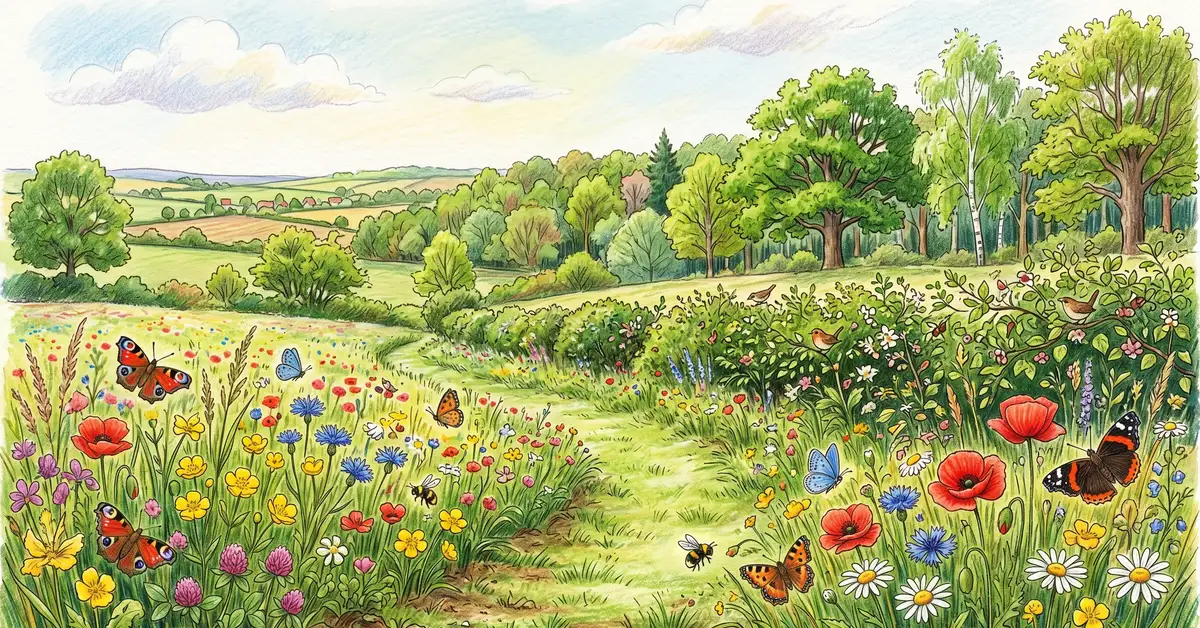
Key Takeaway Biodiversity underpins over half of global GDP — approximately USD 44 trillion of economic activity depends on nature's services. In the UK alone, natural capital is valued at £1.6 ...
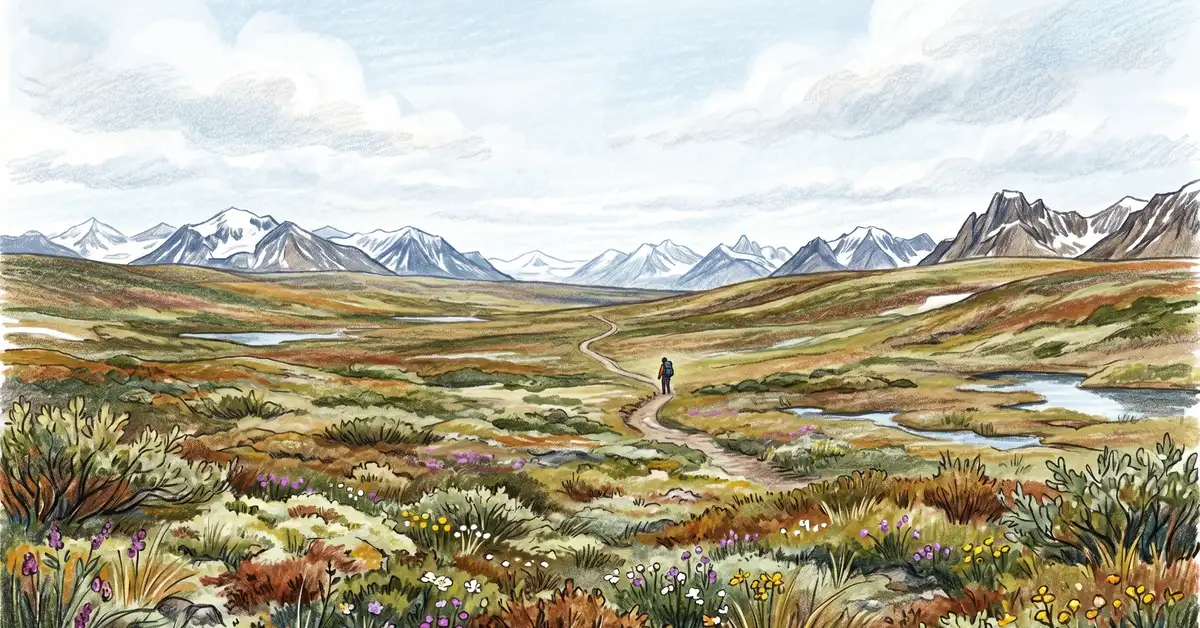
Key Takeaway Tundra ecosystems are Earth's coldest biomes, covering approximately 10% of the planet's land surface across Arctic regions and high mountain ranges worldwide. Defined by treeless ...
Key Takeaway The statutory biodiversity metric is DEFRA's standardised calculation tool that measures how development affects habitats in England. Since February 2024, all major developments must ...
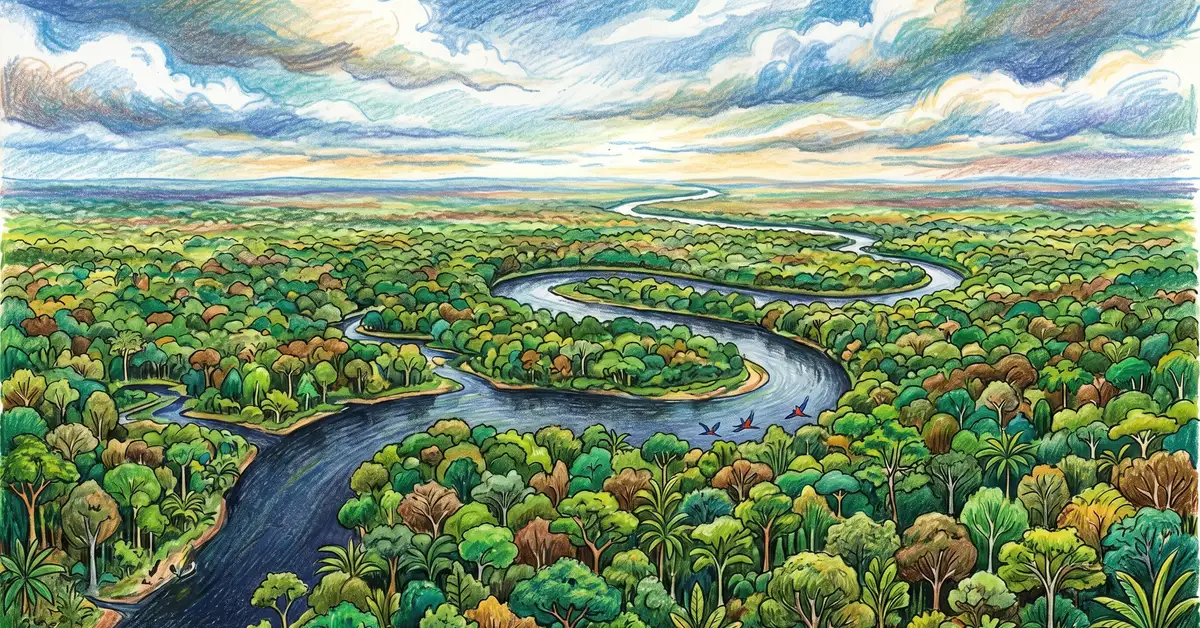
Key Takeaway Brazil's Amazon rainforest lost 5,796 km² in the year ending July 2025 — the lowest rate in eleven years — yet the forest remains perilously close to a tipping point at 20–25% cumulative ...
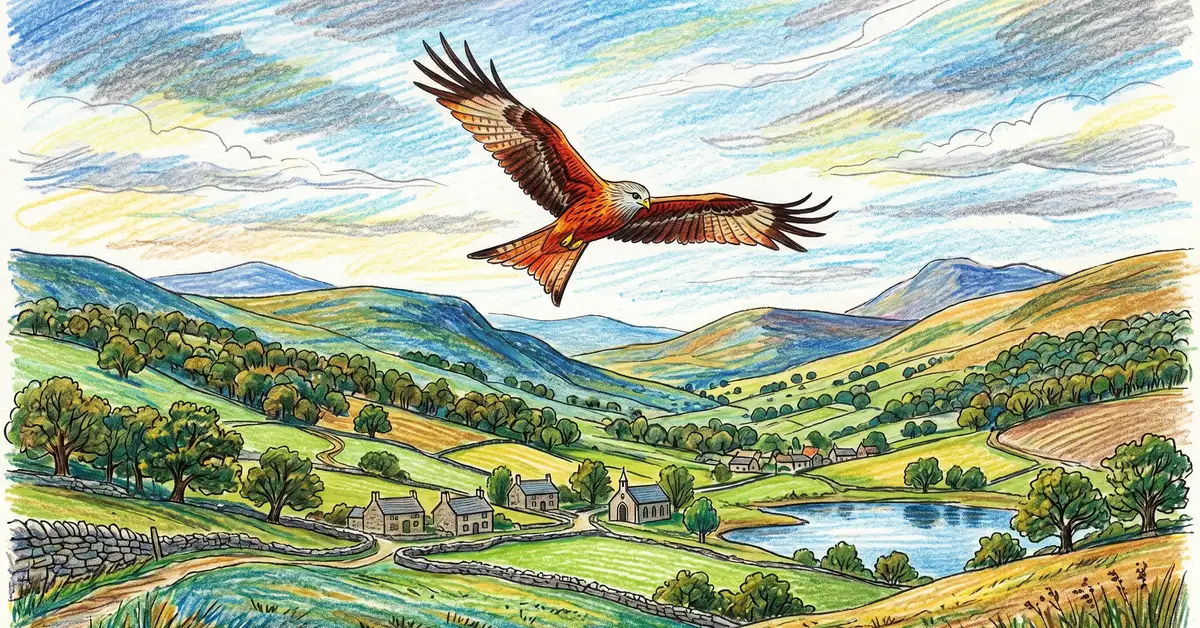
Key Takeaway The UK protects over 2,890 priority species through a multi-layered legal framework anchored by the Wildlife and Countryside Act 1981. Yet only 2% of wildlife crime incidents resulted in ...
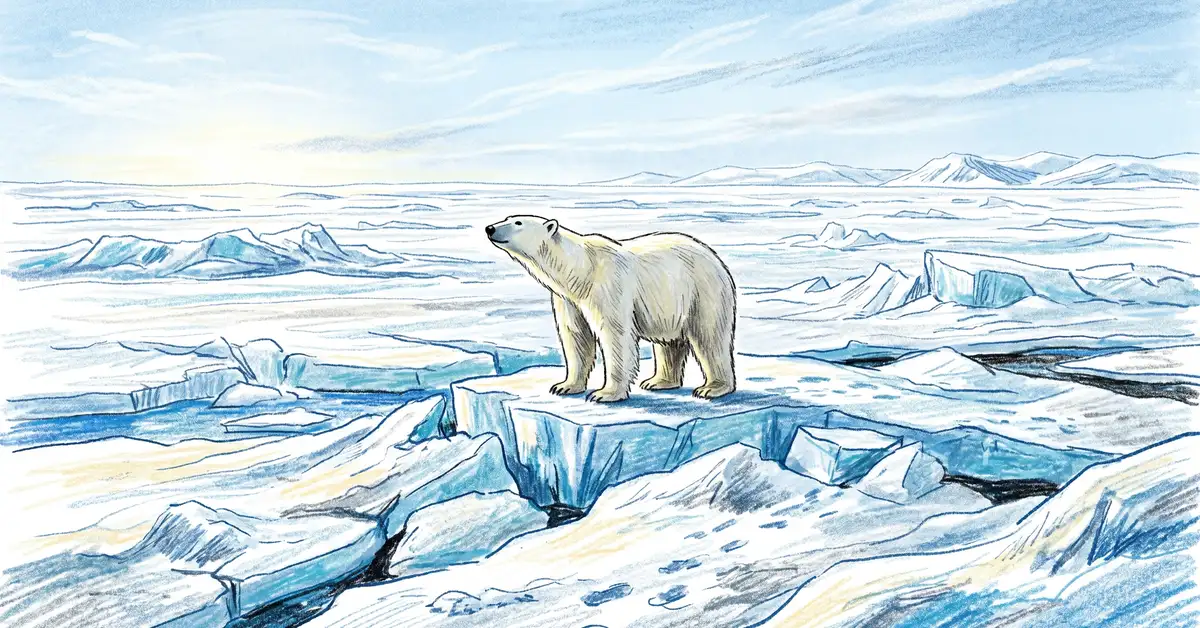
Key Takeaway Polar bears eat primarily ringed seals and bearded seals, relying on Arctic sea ice as a hunting platform. An adult polar bear needs roughly one seal every 10 days and can consume up to ...
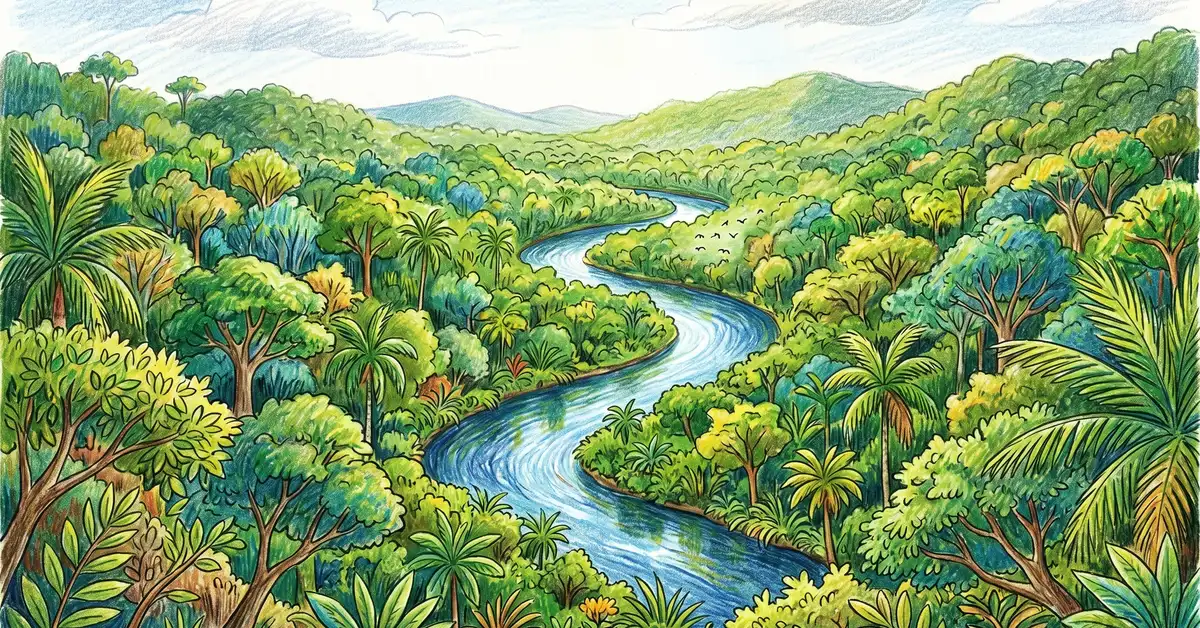
Key Takeaway Preventing deforestation is more cost-effective than restoring forests after they are lost. The most successful prevention combines economic incentives that make standing forests ...